The Eminent Demise of the UAE
writen by Dr Omar Mannan ..
The UAE, once regarded as a neutral, globally respected, and independent state, has, after the death of Sheikh Zayed and under the leadership of Mohammed bin Zayed, shifted its strategy from neutrality to active meddling and influence in regional and international affairs.
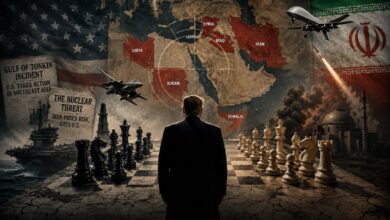
Today, the UAE is involved in multiple regional conflicts, which many analysts view as destabilizing and counterproductive. Its interventions include Sudan, Yemen, Libya, Somalia, Palestine, and other hotspots worldwide.
The UAE initially benefitted greatly from these interventions, particularly in financial gains and real estate investments, thanks to resources flowing from conflict zones and other regions, including Russia and Ukraine. This led to a major economic boost, particularly in the property sector.
However, recent developments suggest the UAE’s influence may be waning, signaling a potential decline both politically and financially. Below are a number of reasons that support this thery
- Declining Flow of Resources:
The previously steady flow of money and assets from conflict zones into UAE , particularly real estate, has noticeably decreased, signaling reduced leverage and diminishing economic gains from its instability and war zones. - Rising costs of interventions :
The initially cheap and easy cost of intervention is turning to be a multi billion dollar drainer thst will soon take its toll on the economy. It is no more buying a few individuals nations and big nations need to be settled help UAE achieve its objectives or cover up for their crimes.
3..Escalating Conflict with Saudi Arabia:
Tensions with Saudi Arabia are rising, particularly over influence in Sudan, Yemen, and the broader Gulf region. This rivalry threatens to erode the UAE’s regional strategy and isolate it diplomatically.
- Regional Backlash Against Military Interventions:
Populations and governments in areas where the UAE has intervened are increasingly resistant to foreign influence. This backlash complicates the UAE’s ability to maintain proxies and secure resources. - Economic Vulnerabilities:
Global shifts, including sanctions, market volatility, and reduced foreign investments, have made the UAE economy more exposed than during its period of aggressive expansion, highlighting the risks of overreliance on conflict-derived capital. - International Reputation Damage:
The UAE’s active meddling has diminished its once-sterling reputation as a neutral mediator. This reputational damage limits its ability to broker deals or act as a respected partner in international diplomacy. - Internal Political Strains:
Centralization of power and reliance on aggressive foreign policy have created internal pressures. A failure to deliver sustainable domestic growth alongside regional ambitions increases domestic vulnerability. - Overextension of Military and Diplomatic Resources:
UAE’s engagements across multiple conflict zones have stretched its military and diplomatic capabilities thin. Overextension increases the risk of strategic failures and limits its ability to respond effectively to emerging crises. - Setbacks in Sudan:
In Sudan, the national army is regaining control over the Rapid Support Forces (RSF), undermining the UAE’s ability to manipulate local factions and weakening its strategic foothold and signalling a spiral loss in the region.
10 Losses in Yemen:
The UAE is losing ground in Yemen. Its key ally, Aidarous al-Zubaidy, has retreated, leaving UAE-backed forces in a vulnerable position and threatening its influence over southern Yemen.
- Weakening Position in Somalia:
Recent developments indicate that the UAE is losing a critical ally in Somalia, jeopardizing its strategic projects and long-term ambitions in the Horn of Africa. - Increased local Resistance:
A lot of the local emiraty people are not happy with the leadership actions. This has been fuelled by international expoure of the brutalility of the regime and the despised one family system of government.
Conclusion:
The UAE’s transition from a neutral, respected state to an active meddler has yielded short-term gains but exposed the country to significant strategic, economic, and diplomatic vulnerabilities. Current setbacks in Sudan, Yemen, Somalia, rising tensions with Saudi Arabia, and declining financial flows indicate that the UAE may be entering a period of decline, with the once-prominent Gulf power facing mounting challenges both at home and abroad.