
Opinion
-

Sudan: Interventions and National Sovereignty
Intense international and regional activity has recently emerged on the surface, centered primarily in Sudan ties, given the divergence of interests and visions
-

How Did Ethiopia Become a Launch Pad for “Drones of Death” Against Sudanese?
Al-Shadhli Hamid Al-Madih While cries for help escalate from Al-Jabalain, eastern Al-Jazirah, and Kordofan amid relentless aerial bombardment, the eyes of observers and international research laboratories turn toward Sudan’s eastern borders — not to monitor waves of displacement, but to track the “coordinates of death” that begin their journey from military bases inside Ethiopian territory. What is happening in Sudan, as we have repeatedly emphasized, is not merely an internal conflict; it is a cross-border…
-
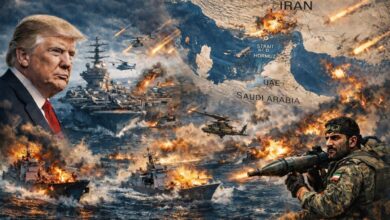
US-Iran Negotiations: A Clash Between Two Styles
The nature of the ongoing US-Iran negotiations does not belong to traditional diplomacy: clash between two radically different styles of thinking
-
The “Berlin Trap” and the Engineering of Intervention: A Reading into the Risks of Eroding National Sovereignty
The recent Berlin conference on Sudan (and the momentum in Paris, London, and Geneva that preceded it) was not merely a "moral" response to the escalating humanitarian crisis; rather, it represented a dangerous strategic shift in international dealings with the Sudanese state. The international community has moved from the stage of "concern" to the stage of "manufacturing solutions" that are imposed from the outside.
-

Berlin… Relief or Engineering of Guardianship?
The Berlin conference convenes tomorrow, April 15, following preparatory arrangements in Addis Ababa, with the participation of international and regional actors seeking to formulate an approach to the Sudanese crisis. This begins with de-escalation, opening humanitarian relief corridors and dialogue, leading toward a political vision for civilian transition and the future of governance.
-
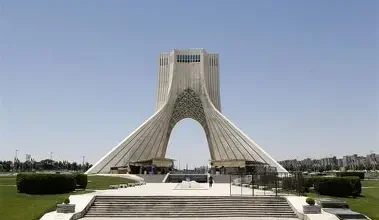
An Iranian Lesson in Negotiation Management
Against this backdrop, the results of the talks in Pakistan are awaited. The situation in the region remains tense. The specter of war in the Middle East still hangs in the air…
-

Ali Larijani: What Changes If He’s Assassinated?
The army, the intelligence services, the Revolutionary Guard, and the Basij forces: these are the four pillars of power, each with operational autonomy and the ability to make decisions on the ground.
-

The Decline of American Influence: A Shift in Global Dynamics
The United States is navigating a significant decline in its global influence, a shift that has become increasingly evident during recent conflicts involving Israel and Iran.
-
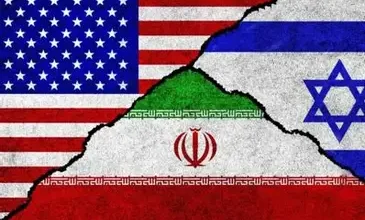
Escalation in the Middle East: A Realist Perspective on the Iran–U.S.–Israel Confrontation
Since late February 2026, the Middle East has been witnessing a significant military escalation in the confrontation between the United States and Israel on one side and Iran on the other. These developments have sparked widespread debate regarding the nature and potential trajectory of the conflict: are we witnessing a limited confrontation aimed at constraining Iran’s behavior, or the beginning of a new phase in the reshaping of regional power balances? To better understand this…
-

Russia Could Be the Biggest Beneficiary of a Gulf War
The economic dimension of this equation is clearly evident in the international energy market. Russia is one of the world's largest exporters of oil and gas, and its budget relies heavily on energy export revenues. Before the recent military escalation, Moscow was facing significant financial pressure due to Western sanctions related to the war in Ukraine. This was reflected in a decline in Russian oil and gas revenues by approximately 24 percent in 2025 compared…