Repercussions of the Sudanese Conflict’s Expansion into the Chadian Heartland
By Hassan Yusuf Zarma
1. The Operational Landscape and Shift in Strategy
The conflict in Sudan is no longer merely an internal war; it has transformed into a Transnational Conflict. The Rapid Support Forces’ (RSF) attack on a Chadian military camp represents a dangerous turning point:
- “Scorched Earth” Strategy: The RSF seeks to eliminate pockets of resistance (the Joint Force and Popular Resistance) even if doing so requires violating the sovereignty of neighboring states.
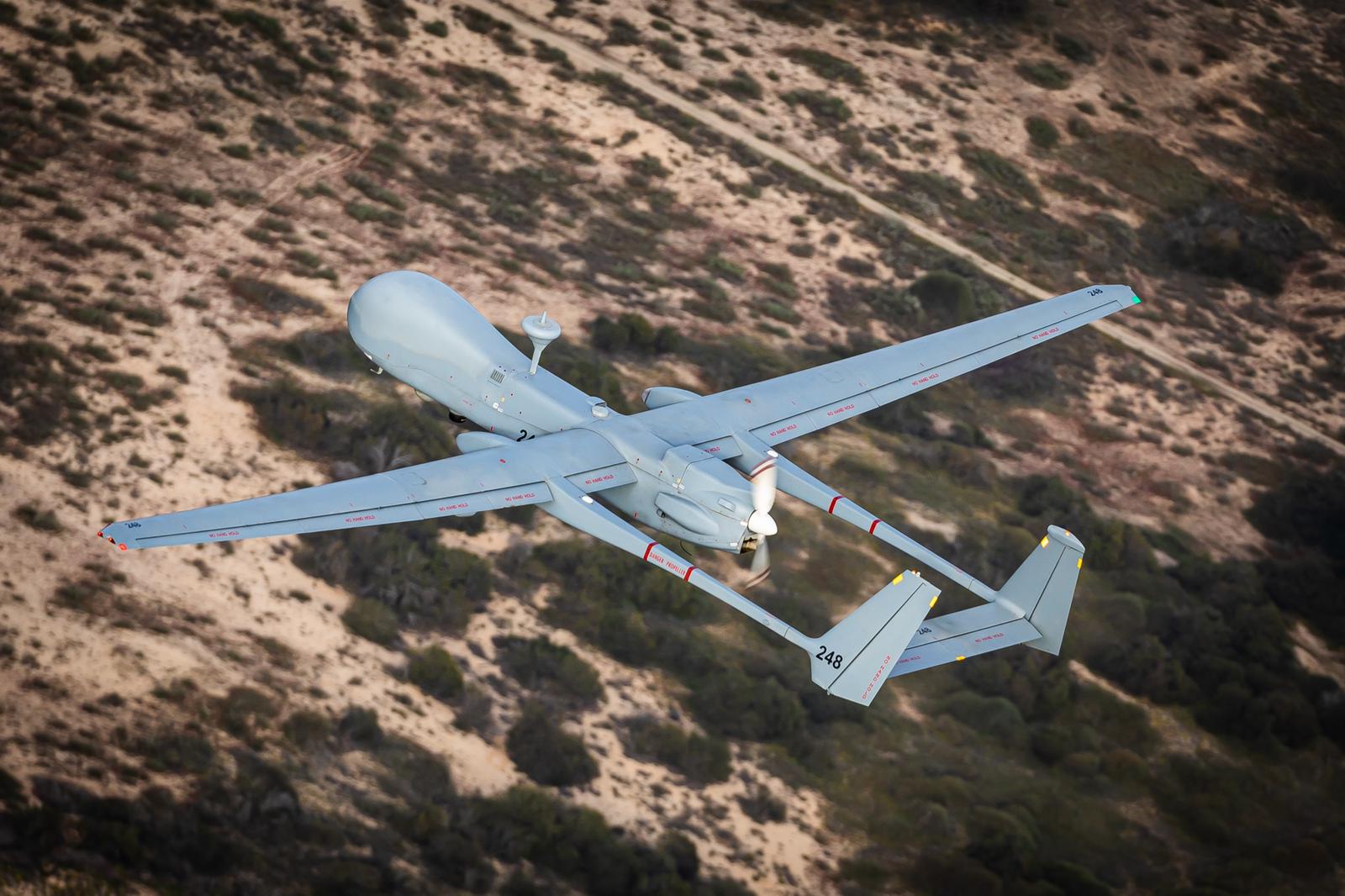
- Drone Warfare: The introduction of unmanned aerial vehicles into border operations further complicates the security situation and renders border control nearly impossible.
2. The Ethnic and Tribal Dimension
This is the most sensitive aspect of the analysis. The attacks are targeting the Zaghawa tribe:
- The Power Connection: Chadian President Mohamed Déby and most of the Chadian military leadership belong to this tribe. The continued targeting of the Zaghawa in Darfur may compel the Chadian state to intervene militarily to protect its “ethnic extension,” meaning Chad could formally enter the war as a direct party.
- Risk of Social Fragmentation: The conflict is fueling longstanding ethnic divisions across the region, potentially triggering subsidiary civil conflicts within Chad itself.
3. The Humanitarian Crisis as a Political Pressure Tool
The figures cited in the report — more than one million refugees in Chad — point to a “strategic catastrophe”:
- Resource Exhaustion: Chad is already a country suffering from economic fragility. The influx of refugees and the massive population surge (the city of Adré has grown tenfold) is placing severe strain on food and health security, including cholera outbreaks, which may lead to internal social unrest within Chad.
- Absence of International Funding: The gap between humanitarian needs and international support is turning the camps into fertile environments for recruitment or radicalization.
4. The Regional and International Position
- Egypt’s Role: Statements by the Egyptian Foreign Minister in Cairo reflect the concerns of a “central state.” Egypt categorically rejects recognizing “parallel entities” (the RSF) and insists on the legitimacy of established institutions (the Sudanese Army), fearing that the “militia model” could threaten its own national security to the south.
- Failure of Mediation: The continued failure of peace talks indicates that both parties still believe military resolution is achievable, or that international actors have not exerted genuine pressure on external financiers.
5. Future Scenarios
| Scenario | Probability | Impact |
|---|---|---|
| Border Escalation | Very High | Continued skirmishes; the border transforms into an active operational zone |
| Direct Chadian Intervention | Moderate | The war expands into a broad regional conflict involving other states |
| Comprehensive Humanitarian Collapse | Certain (without intervention) | Widespread famine and cross-border epidemic outbreaks |
Strategic Conclusion
The attack on Tine and the breach of the Chadian border is not merely a “tactical error” — it is an indicator that the war’s dynamics in Sudan have grown beyond the Sudanese state’s capacity to contain. Chad’s stability is now organically linked to the defeat or containment of the Rapid Support Forces in Darfur.