
Somali Parliament Approves Historic Constitutional Amendments
By Abdiasis Farah Said
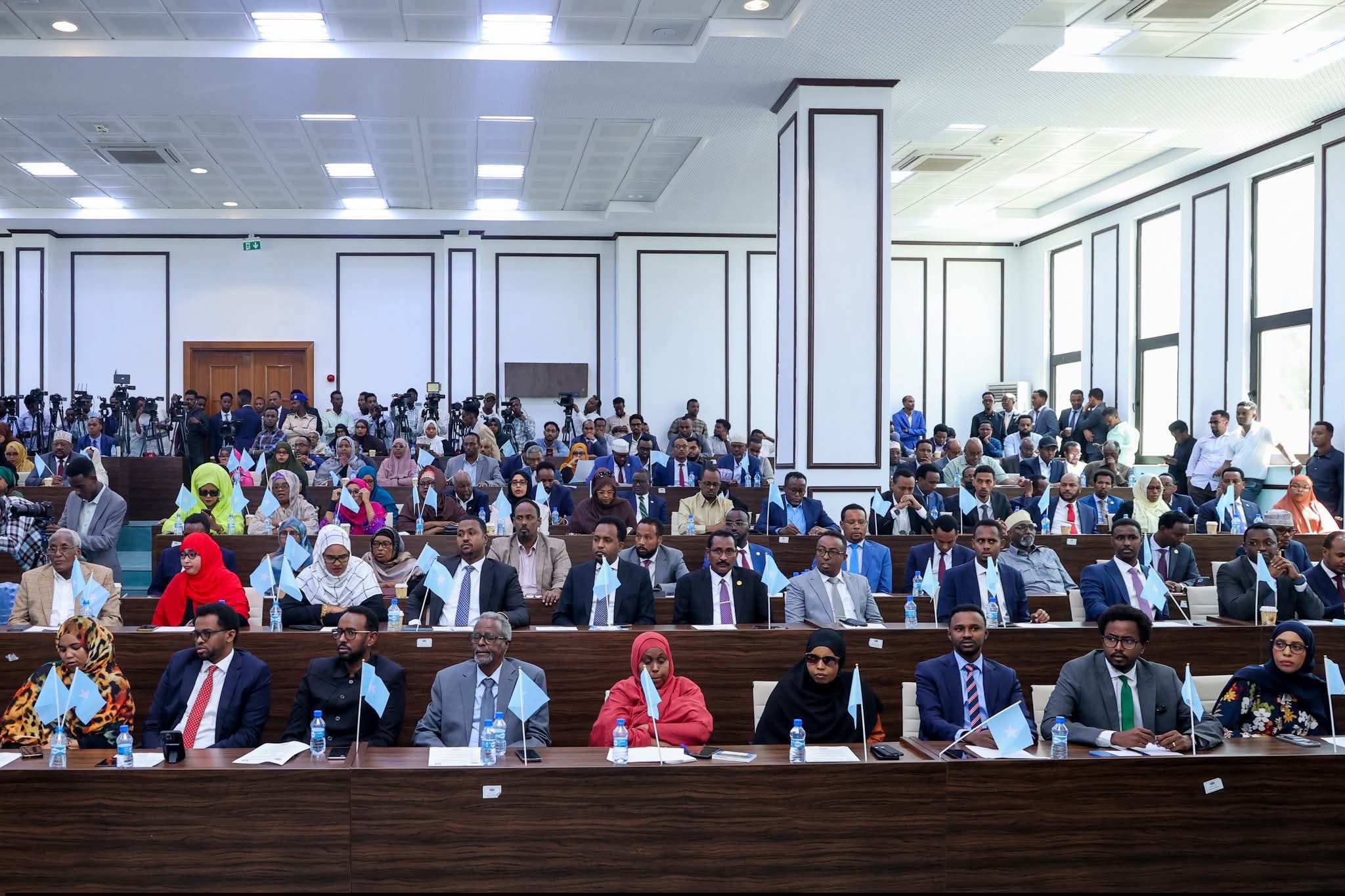
Mogadishu, Somalia – Somalia’s Federal Parliament has voted to approve long-debated constitutional amendments, marking what government officials describe as a historic milestone in completing the country’s provisional constitution. A total of 222 members of Parliament attended the joint session. Of those, 186 members from the Lower House and 36 members from the Upper House voted in favor of the amendments, securing a strong majority for the proposed changes. The Somali constitution has remained transitional since 2012, when it was first adopted following years of conflict and political transition. Previous administrations had pledged to finalize and complete the document but were unable to achieve consensus. Current President Hassan Sheikh Mohamud has now succeeded in steering the amendments through Parliament, moving the country from a provisional framework toward a completed constitutional structure. Key Changes in the New ConstitutionThe newly approved amendments introduce several major reforms:Members of Parliament (MPs) will be elected directly by the public, replacing the previous indirect electoral model. The President will be elected by Members of Parliament, maintaining a parliamentary-based presidential election system. A President cannot run for the presidency more than twice, establishing a clear two-term limit. The federal government’s term has been extended from four years to five years. As a result of the new five-year term provision, the current government’s mandate will effectively gain one additional year. Under the previous framework, the government’s term was scheduled to end on 15 May 2026, but this timeline will now be adjusted in accordance with the amendment. Opposition Raises ObjectionsDespite the parliamentary approval, the amendments have faced opposition from several lawmakers and political leaders. Some Members of Parliament voiced concerns during debates, arguing that wider national consensus was necessary before finalizing such fundamental changes. Leaders from two federal member states — Puntland and Jubaland — have publicly opposed the amendments. They maintain that constitutional revisions of this magnitude require broader political agreement among federal and regional stakeholders.The constitutional vote marks one of the most significant political developments in Somalia in over a decade and is expected to shape the country’s governance, elections, and federal relations in the years ahead.Further political reactions are anticipated as the country adjusts to the newly approved constitutional framework.