Four Points That Could Change the Middle East
Mohamed Saad Kamil
Editor-in-Chief of Brown Land Newspaper
April 16, 2026
Xi Jinping’s initiative is not merely a theoretical call but rather an attempt to reshape China’s role in the Middle East as an alternative international mediator. However, its success depends on the willingness of regional and international powers to adopt a vision based on peaceful coexistence and the psychological readiness to change for the better.
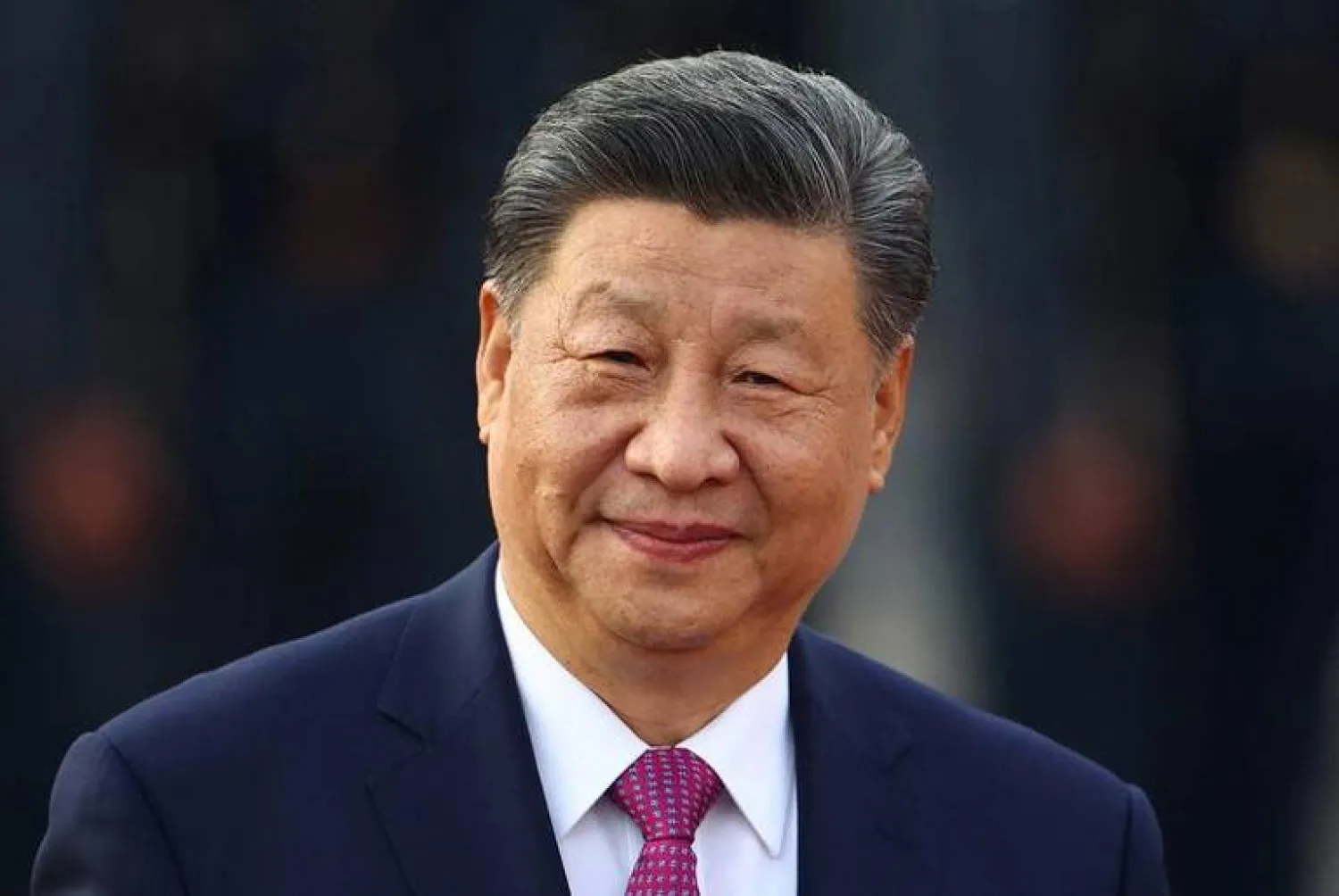
Last Tuesday, Chinese President Xi Jinping presented a four-point vision for peace in the Middle East, focusing on peaceful coexistence, respect for national sovereignty, adherence to international law, and achieving a balance between development and security, while affirming China’s readiness to play a constructive role in mediation.
China has always sought to promote global peace through security and development initiatives witnessed throughout history. It works to strengthen dialogue instead of force, presenting itself as a neutral mediator. Moreover, China is not a direct party to the conflicts and wars occurring worldwide, which grants it credibility as a neutral mediator. This increases the chances of success compared to previous initiatives linked to Western powers whose intentions were often questioned. Despite challenges, China’s growing role reflects a shift in the international system toward a more balanced multipolarity, potentially opening the door to new solutions for chronic conflicts.
One of the most significant positives of the initiative is that it prioritizes peaceful coexistence, which paves the way for building a collective security framework that reduces conflicts and strengthens trust among nations. This approach helps lessen dependence on external powers and gives the region an opportunity to determine its own destiny.
The initiative also emphasizes respect for state sovereignty, a fundamental principle that protects the independence of political decision-making and prevents foreign interventions that have often exacerbated crises. This reinforces a sense of responsibility among nations toward their own security and stability.
Another positive lies in the call to adhere to international law, ensuring that proposed solutions are fair and non-selective. This strengthens international legitimacy and prevents the imposition of unilateral solutions that could lead to further tensions.
Furthermore, the initiative does not limit itself to political and security aspects but also links economic development with social security. This dimension opens the door to regional cooperation projects in energy, infrastructure, and education, creating a more stable and prosperous environment across the region, with positive repercussions for the entire world.
President Xi’s initiative carries clear advantages: building trust among regional states, strengthening national sovereignty, consolidating international law, combining security with development, and introducing a new global mediator free from traditional biases. While it may not be the ultimate solution, it represents an important step toward reshaping a comprehensive approach to peace in the Middle East based on cooperation rather than conflict.