Algiers, a New Strategic Stop for Tiani: A Rapprochement Under Close Watch
Brown Land West Africa Correspondent / Hassan Youssef Zerma
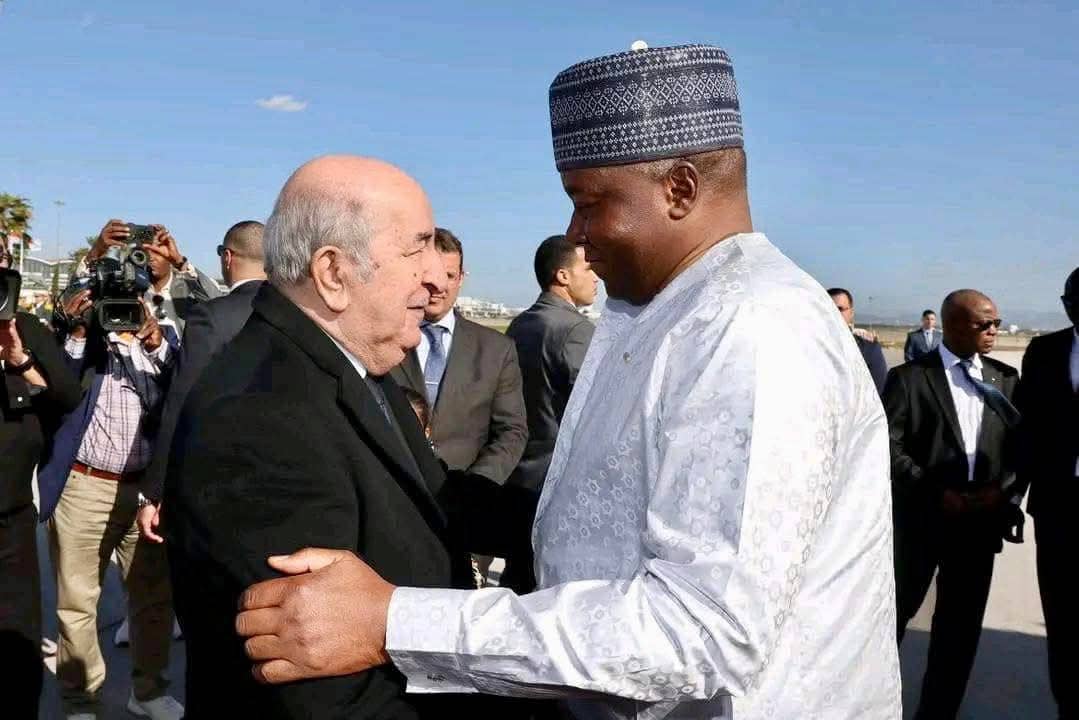
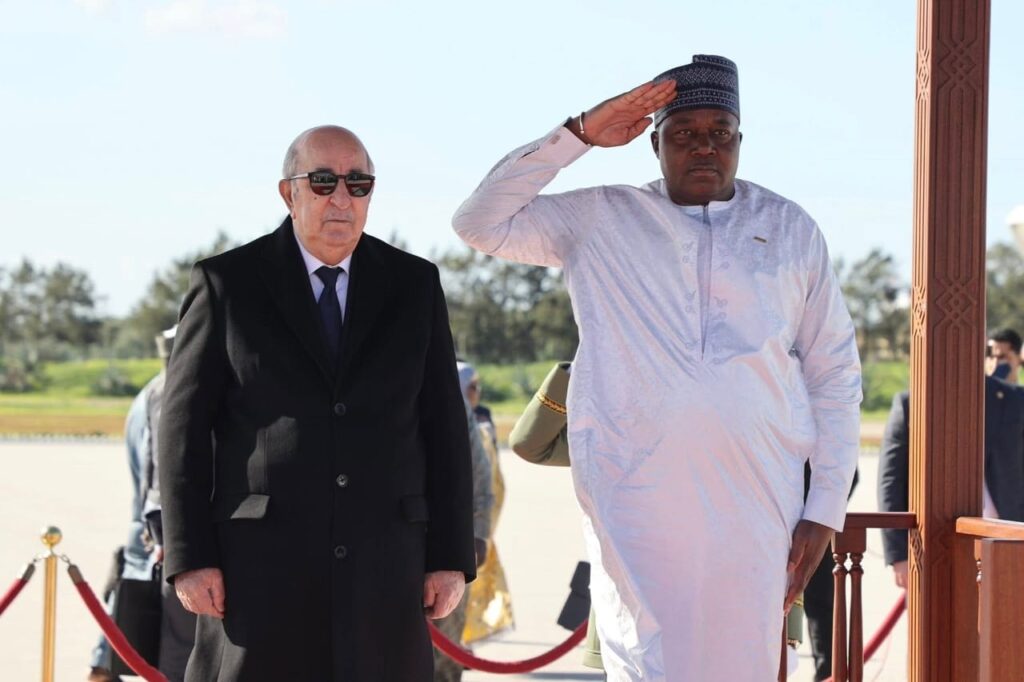
The image is striking—almost unexpected given the tensions that have marked relations between Algeria and the capitals of the Alliance des États du Sahel in recent months. On February 15–16, 2026, General Abdourahamane Tiani, President of the Republic of Niger, landed at Houari Boumediene Airport for what was described as a “visit of fraternity and work,” at the invitation of his counterpart, President Abdelmadjid Tebboune. Tiani was accompanied by a high-level delegation that included the ministers of defense, infrastructure, and foreign affairs.
For observers and citizens across the Sahel Confederation space, this visit marks a turning point with multiple implications.
The Economic Stakes: The Scent of Oil and Gas
Beyond the formalities, the heart of the visit beats to the rhythm of hydrocarbons. Weeks before the trip, Algeria dispatched a high-level mission to Niamey led by Energy Minister Mohamed Arkab, aiming to revive cooperation in the extractive sector.
Two major projects dominate the agenda:
The Kafra Oil Block:
Algeria, through its national company Sonatrach, is seeking to accelerate the development of this oil field located along the Algeria–Niger border. For Niamey, currently under financial pressure, the swift exploitation of its natural resources is an urgent economic priority.
The Trans-Saharan Gas Pipeline (TSGP):
This ambitious project, designed to transport Nigerian gas to Europe via Niger and Algeria, is once again back on the table. Amid global energy diversification efforts, Algeria aims to cement its status as a key energy hub, with Niger serving as an indispensable geographical pillar of the initiative.
Diplomacy Between Mediation and Suspicion
The diplomatic dimension is undoubtedly the most complex. Tiani’s visit coincided with that of French Interior Minister Laurent Nuñez, who was also in Algiers for official talks—fueling widespread speculation.
Is Algeria playing the role of a discreet mediator between the Sahel alliance and Paris?
The question arises as Tiani, shortly before his departure, reiterated serious accusations against France’s external intelligence service (DGSE), alleging it had financed mercenaries to destabilize the Liptako-Gourma region and planned an attack on Niamey’s airport.
In this context, Algeria’s role is viewed with cautious optimism. For Niamey, Algeria represents a powerful neighbor capable of helping break regional isolation—yet vigilance remains necessary, as Algerian diplomacy is sometimes perceived by some alliance partners as ambiguous.
A Political Rebalancing Within the Sahel Alliance?
For Mali and Burkina Faso—Niger’s partners within the Sahel alliance—this rapprochement is seen less as a betrayal than as a strategic necessity. The alliance is seeking to diversify its international partnerships beyond Russia. Algeria offers strategic depth and significant security expertise in combating cross-border terrorism.
However, media outlets in Bamako are observing the rapprochement with some reservation, particularly in light of recent diplomatic tensions related to the 2015 Peace Agreement. A pressing question remains: Has Algeria definitively aligned itself with the military-led transitional governments in the face of international pressure, or is it primarily seeking to safeguard its own borders and national interests?
What is certain is that Tiani’s visit to Algiers is far more than a ceremonial stop—it is a political and economic move with profound regional implications, the full impact of which will become clearer in the months ahead.