
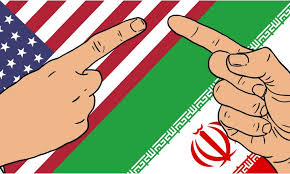
A realistic analysis of the upcoming round of US-Iranian negotiations assumes that the failure of previous attempts was not due to Tehran’s rejection of the nuclear agreement itself, but rather due to the insistence of Donald Trump’s administration on expanding the scope of negotiations to include Iran’s missile program and demanding the severing of ties with resistance movements in the region to calm Israeli concerns. This is precisely what made any practical compromise impossible. If the goal had been limited to preventing Iran from possessing nuclear weapons, it would have been possible to reach an agreement through reducing enrichment levels under the supervision of the International Atomic Energy Agency and transferring its stockpile of highly enriched uranium to a third party, especially since Iran now appears more willing to definitively abandon the military nuclear option in exchange for comprehensive sanctions relief.
However, the real problem lies in Washington’s demands to strip Iran even of its right to a peaceful nuclear program, limit its defensive capabilities, and impose political and regional isolation on it. These conditions affect the foundations of the country’s security and sovereignty, and may threaten the stability of the political system itself, making the collapse of the meeting likely if this path continues. Any potential future willingness on Iran’s part to reduce its missile program or limit its support for resistance movements will only be achieved within the framework of comprehensive regional collective security agreements, including the establishment of a weapons of mass destruction-free zone in the Middle East and a just settlement of the Palestinian issue. Under current circumstances – with Israel’s expansionist project and its categorical rejection of establishing a Palestinian state – these prerequisites are absent.
The recent escalation was linked to Trump’s calculations that internal protests in Iran would lead to the fall of the regime, as well as attempts to exploit them politically and militarily. However, a retreat followed under pressure from Tehran’s ability to control the situation, the extreme difficulty of toppling the regime through an air strike, the possibility of a harsh Iranian response, and the refusal of regional countries to support any military action for fear of being drawn into a long-term war of attrition.
In this context, negotiations began under the weight of the threat of using force, while Iran simultaneously adopts three strategies: tactically flexible diplomacy with strict adherence to strategic red lines; military readiness for immediate response and preventing strategic deception; and an integrated approach combining effective political engagement, field tests, and displays of force to direct deterrent messages to relevant parties locally, regionally, and internationally.
The situation becomes a difficult test for all parties. Iran must maintain its composure and demonstrate its diplomatic and military capabilities without capitulation or reckless adventures. Trump finds himself stuck between the domestic costs of retreat and the risks of a regional war of attrition, in a clear dilemma between “America First” and “Israel First.” As for Benjamin Netanyahu on his part, he faces political and security risks in the event of direct confrontation.