Reports
Ethiopia: Major Military Breaches on the Border—What Lies Beneath?
Report by: Badreldin Abdulrahman
The border regions between Sudan and Ethiopia have recently witnessed repeated military aggressions originating from Ethiopian territory. This persistent escalation signals a clear intent by the Ethiopian government to open a new war front in Sudan to achieve specific strategic objectives, including:
- Exploiting the Current Crisis: Leveraging the ongoing conflict with the Rapid Support Forces (RSF) militia to gain ground in the disputed strategic “Al-Fashaga” border region.
- Securing Water Interests: Safeguarding interests related to the “Renaissance Dam” (GERD) by diverting the efforts and resources of the Sudanese Armed Forces (SAF).
- Supporting Allies: Providing a secure strategic depth for the RSF militia to serve Ethiopian interests in the Horn of Africa.
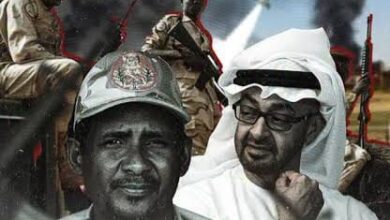
African affairs observers suggest that Ethiopia’s support for specific opposition factions—namely the Sudan People’s Liberation Movement (SPLM) and the RSF—aims to alleviate internal pressure on its own borders, while accounting for the volatile tension with Eritrea that could ignite at any moment. Furthermore, the Ethiopian regime is seen as executing an agenda backed by the UAE, designed to force the Sudanese army to divide its forces across multiple combat theaters, thereby weakening its defensive focus.
Experts indicate that this Ethiopian scheme is inseparable from regional and international interventions seeking to turn Sudan into a “backyard” for conflicts in the Horn of Africa to secure foreign ambitions. These external influences are no longer hidden; documented reports from Reuters have revealed internal Ethiopian security memos and diplomatic cables confirming that since early January, approximately 4,300 fighters have undergone military training in a secret camp in “Mengi,” near the Renaissance Dam in the Benishangul region.
According to sources, the UAE funded the establishment of this camp and provided military trainers and logistical support under the supervision of General Getachew Gudina, head of Ethiopia’s Military Intelligence. The camp reportedly includes Ethiopian, Sudanese, and South Sudanese fighters, alongside elements from the SPLM-North (Al-Hilu faction). This aligns with the SPLM-N’s recent claims of seizing areas in the Blue Nile region following clashes with the SAF, with intelligence indicating their forces launched from the Ethiopian border.
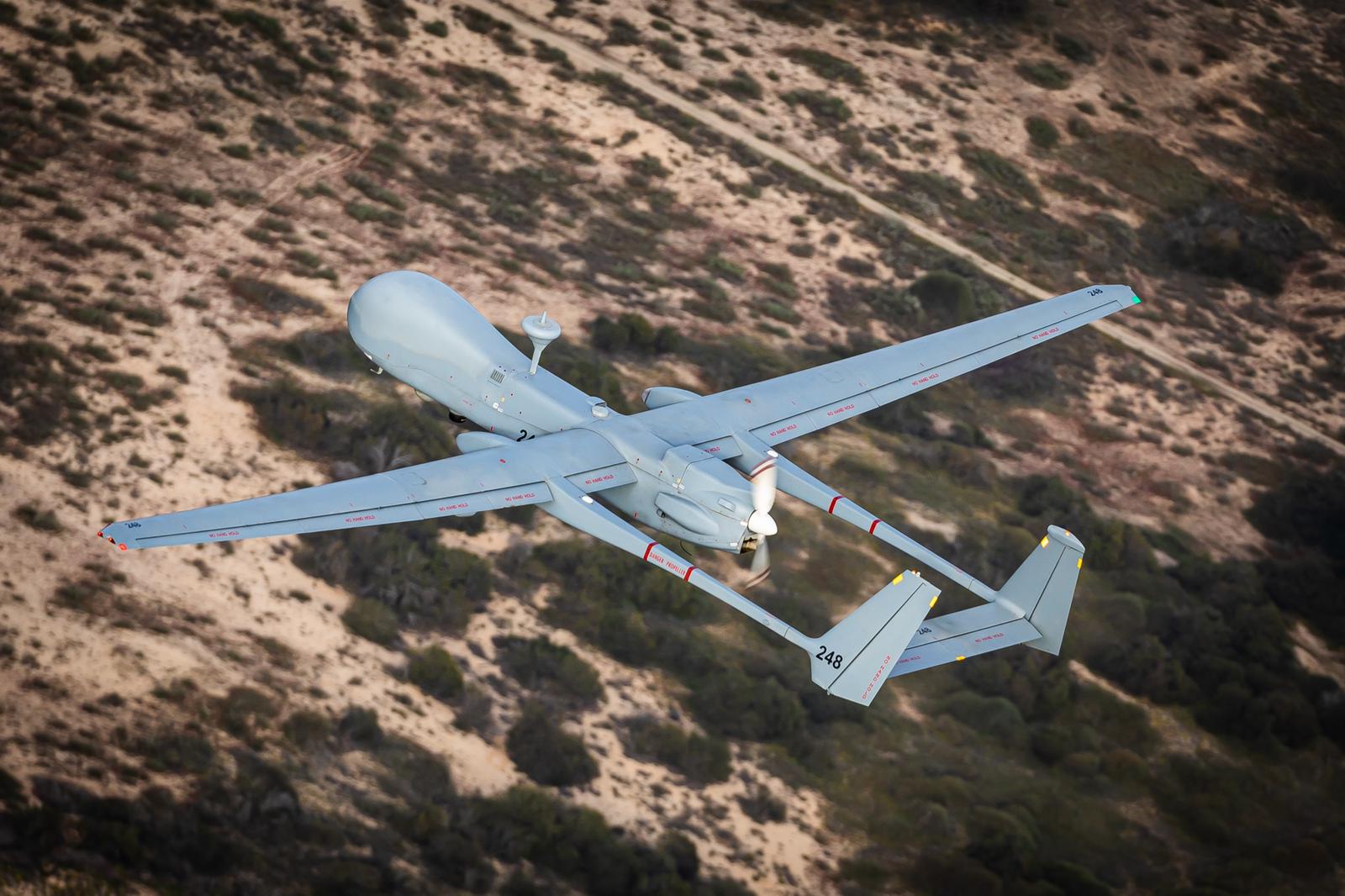
Regarding the official Sudanese stance, the Ministry of Foreign Affairs issued a statement last February monitoring the entry of drones from Ethiopia targeting sites inside Sudan. The ministry described this as a “flagrant violation of Sudan’s sovereignty and an explicit aggression against the state.” While the statement did not specify the number of drones or their exact targets, it marked the first direct official accusation against Ethiopia since the conflict began in April 2023.
Despite the firm tone of the statement, analysts argue it is insufficient. They suggest that the Sudanese government should immediately summon the Ethiopian ambassador to deliver a strongly worded protest, clarifying that these actions constitute a “clear military aggression” and that the Sudanese Armed Forces reserve the right to respond in kind—a right guaranteed by international laws governing national defense.