Puntland and Jubaland Leaders Face Scrutiny Over Alleged UAE Influence Amid Somalia Election Tensions
Written by Abdiasis Farah Said
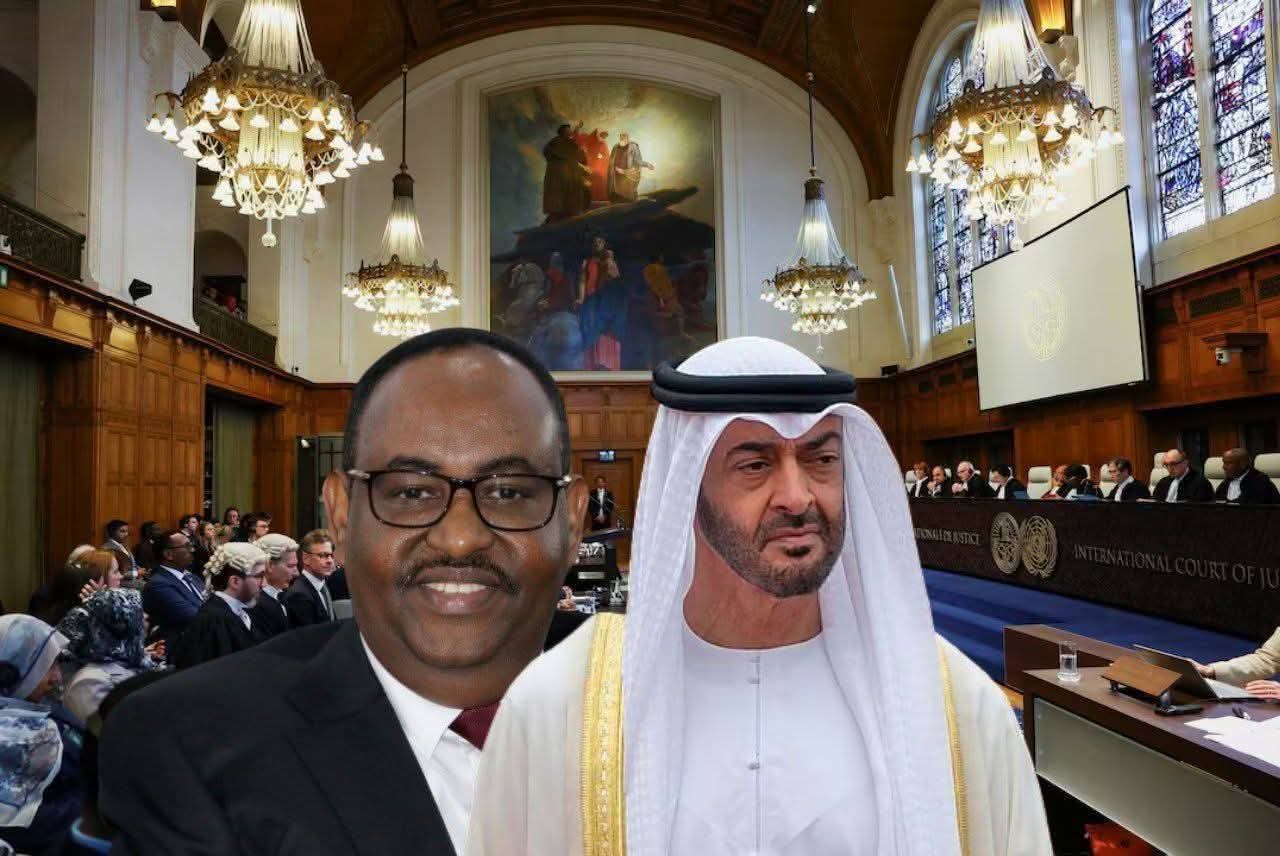
Nairobi / Garowe / Mogadishu — Puntland State President Said Abdullahi Deni is currently in Nairobi following a recent visit to the United Arab Emirates, according to political sources. His travel comes at a sensitive political moment, shortly after the Federal Government of Somalia announced the suspension of diplomatic relations with the UAE.Sources familiar with the matter say President Deni traveled from the UAE to Nairobi approximately a week ago, where he reportedly held meetings with members of a political grouping known as the Somalia Future Council. The council is believed to include Somali presidential aspirants as well as senior leaders from Puntland and Jubaland states. Political analysts and observers identify President Deni and Jubaland State President Ahmed Mohamed Islam (Ahmed Madobe) as the two regional leaders most closely aligned with UAE interests. Critics allege that both leaders are working in coordination to apply political pressure on the Federal Government in an effort to influence the ongoing electoral dispute between President Hassan Sheikh Mohamud’s administration and opposition groups. The Somalia Future Council has reportedly accepted an invitation from the Federal Government to participate in an upcoming dialogue aimed at resolving disagreements over Somalia’s electoral framework, timelines, and implementation mechanisms. President Deni is expected to return to Puntland’s capital, Garowe, before traveling to Mogadishu to attend the talks. Given Puntland and Jubaland’s political weight within Somalia’s federal system, analysts say both leaders could play a decisive role in shaping the direction of the negotiations. However, civil society figures and political commentators in Puntland have issued warnings to the public, urging residents to remain alert to how the state’s political power and institutional influence are used. They caution that Puntland’s authority should not be leveraged to advance foreign agendas or actions that could undermine Somalia’s stability and national unity. According to these observers, any attempt to use Puntland’s political machinery to implement external interests—particularly at a time of national tension—risks deepening divisions and destabilizing the country, especially in Mogadishu. They stress that Puntland’s leadership bears a responsibility to act in the broader interest of Somali sovereignty, cohesion, and peaceful political dialogue.Neither the Puntland nor Jubaland administrations have publicly responded to the allegations. As Somalia approaches critical electoral negotiations, analysts warn that unresolved disputes between federal and regional leaders, combined with regional rivalries and external involvement, could further strain the country’s fragile political environment.