
Gulf War: Objectives, Fallacies, and Outcomes
By: Dr. Alrasheed Mohamed Ibrahim
Director of the Center for International Political Relations Studies (MAALIM)
Introduction
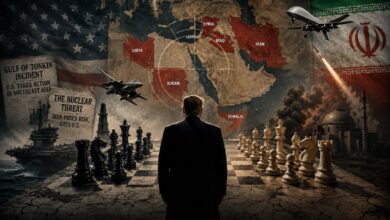
The current version of the Gulf War—pitting the United States and Israel against Iran—does not merely follow the historical context of conflicts in the Arabian Gulf. Despite the density of American and Western interests and the diversity of Israeli security threats, this war is distinguished by its timing. It follows regional shifts that nearly established a new security framework making Iran an integral part of regional arrangements. This war may be intended to halt that “strategic pivot,” which had manifested in diplomatic understandings, the reopening of embassies, and calculated de-escalation in the Yemen war and Red Sea security.
The Regional and International Political Environment
The current environment is characterized by transition. Regionally, significant strides were made toward a coalition supporting stability, with Saudi Arabia as the primary regional pillar and reliable guarantor. Does this war aim to blow up this nascent strategic trend by striking ballistic and nuclear targets inside Iran?
Internally, the international system is mourning the era of American hegemony and unipolarity. This war may be an American attempt to prevent a total collapse or mitigate the fallout of its waning influence, especially in the “Trumpian era,” which has undermined the foundational principles of international relations established during the UN period.
War Objectives
Wars are not read solely through field reports, despite their significance. The primary objectives appear to be:
- Regime Change: Altering the structure of the Iranian political system, viewed as the greatest threat to Israel and US interests in the “Greater Middle East.”
- Neutralizing Capabilities: Eliminating Iran’s ballistic missile program and dismantling the remaining Iranian nuclear facilities.
Security Fallacies
The war may aim to exacerbate regional fractures to maintain the “traditional extortionist strategic balance,” based on the premise that Iran is the primary threat. This is especially relevant after military developments forced a new mechanism: striking US military bases and targets in Qatar, Bahrain, the UAE, Kuwait, and Iraq.
Furthermore, global powers like China and Russia have an interest in draining US resources and increasing its war costs, potentially providing indirect or logistical support to Tehran.
Expected Outcomes
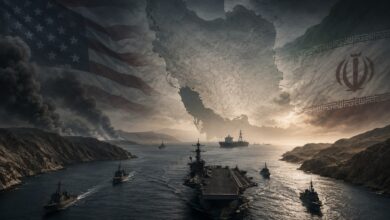
It is likely that the military confrontation will remain limited to aerial operations and intensive missile strikes. However, the scope may expand if Iran succeeds in its threats to sink US aircraft carriers.
These expectations depend on the actions of pro-Iranian groups (Hezbollah and the Houthis) and their impact on Israeli security. Additionally, the Iranian decision to close the Strait of Hormuz remains a critical determinant for the ceiling of this confrontation.
Conclusion
“Re-engineering the region” and redistributing influence are the most likely outputs of this war. The duration of the conflict will be a key indicator; a prolonged war might see the American public turn against Trump—reminiscent of the Vietnam War—potentially leading to a fundamental shift in the regional strategic balance.