In a historic first, Iran shoots down an American F-35 fighter jet
And delivers other military surprises
Brown land
Over the past few days, particularly during the Eid al-Fitr holiday, Iran, despite the ongoing bombardment it has endured, has conducted a number of sophisticated operations that have surprised its adversaries. It is even widely believed that the Islamic Republic still has more surprises up its sleeve.
Specifically, the first American F-35 fifth-generation fighter jet was shot down over Iran, an unprecedented event. This marks the first time an American fighter of this type has been downed since it officially entered service. This aircraft, technically classified as a stealth fighter, is one of the most expensive fighter jets in the Pentagon’s arsenal.
The cost of a single F-35 exceeds $100 million. However, it suffers from numerous problems. A recent report issued by the US Government Accountability Office revealed that no more than 30% of the F-35 fleet is ready for actual combat operations. The majority of these aircraft are undergoing continuous maintenance. The production of these new fighter jets is facing logistical difficulties and disruptions in component supply from China. The total cost of the F-35 program is expected to reach $2 trillion.
However, the Pentagon was confident that the advanced stealth technologies supposedly making the F-35 invulnerable would pay for itself. But Iran has proven otherwise in practice. The US military continues to suffer significant reputational damage. First, it lost four THAAD batteries, each valued at $3 billion, and then it failed to prevent the downing of the Pentagon’s newest fighter jet.
This comes at a particularly difficult time for Lockheed Martin, the F-35’s manufacturer. The company is suffering heavy losses due to rampant inflation in the defense industry.
In a separate development, the Wall Street Journal reported that Iran launched two ballistic missiles at the joint British-Iranian base on Diego Garcia in the Indian Ocean.
The attack—if it actually occurred—came after Britain granted Washington permission to use its bases in a war against Iran. The attack is considered a qualitative development and demonstrates an unprecedented level of Iranian capability, especially given that the base is approximately 4,000 kilometers from Iranian territory. We will address this topic in a separate report.
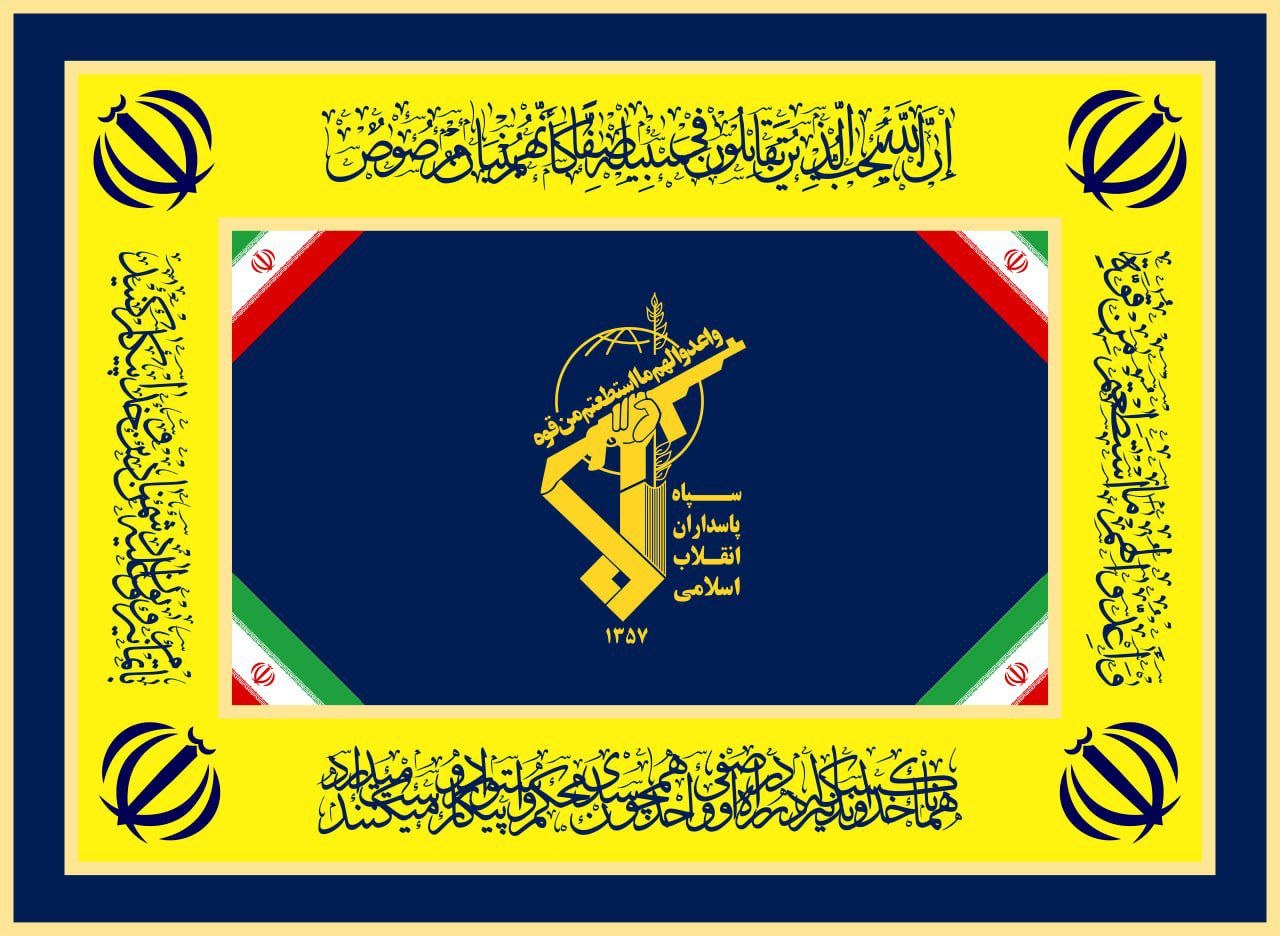
Furthermore, a third Israeli F-16 fighter jet was hit by the Islamic Revolutionary Guard Corps’ (IRGC) air defenses, as confirmed by the IRGC in a press release.
The statement indicated that since the beginning of the war, Iranian air defenses have successfully intercepted and destroyed more than 200 enemy aircraft, including drones, cruise missiles, aerial refueling tankers, and advanced fighter jets, in Iranian airspace, demonstrating the strengthening of the country’s air defenses.
In a related context, the commander of the IRGC Aerospace Force, Majid Mousavi, declared: “From this moment, I announce our missile superiority over the skies of the occupied territories. The new tactics and launch systems employed will terrify the Zionist and American leaders.”
This underscores the development of Iranian operations during the aforementioned period, in contrast to the increasing inability of American and Israeli air defense systems to counter Iranian missiles and drones. The missiles hit numerous targets in Tel Aviv, Haifa, Dimona, Arad, Eilat and other areas in Israel, in addition to American bases in the region.
For his part, the renowned American political commentator Jackson Hinkle wrote on his X social media account: “Trump stated that he is considering ‘ending our massive military effort in the Middle East against the Iranian terrorist regime.'” Here are Trump’s achievements in Iran so far:
▪️ Iranian missiles continue to strike targets
▪️ Iran’s nuclear program remains strong
▪️ The Iranian government remains unchanged
▪️ Khamenei is replaced by another Khamenei
▪️ The hardline conservative Jalili heads Iran’s Supreme National Security Council
▪️ Iran has complete control of the Strait of Hormuz
▪️ The shortcomings of the US Air Force and Navy have been exposed
▪️ US bases continue to be targeted
▪️ Yemen is preparing to close the Red Sea
▪️ Iranians from all political factions are united
▪️ Israel continues to be targeted by Iranian missiles
▪️ US and NATO forces have partially withdrawn from US bases
▪️ Several US Air Force aircraft have been destroyed
▪️ US facilities in the Arabian Gulf have been destroyed
▪️ Oil prices have reached $119 and continuing to rise
▪️ Gas prices up 26% and continuing to rise
▪️ F-35 fighter jet damaged in combat for the first time
▪️ 13 US service members killed and more than 240 wounded
▪️ Trump’s popularity plummets to its lowest level ever
▪️ Air defense systems in the Arabian Gulf region almost disappear
▪️ 10% of the MQ-9 Reaper drone fleet destroyed
▪️ 3-4 AN/TPY-2 THAAD radars lost
▪️ A $1 billion early warning radar in Qatar destroyed
▪️ US Navy’s Fifth Fleet headquarters in Bahrain disappears
▪️ USS Ford damaged and heading towards Greece
▪️ USS Lincoln damaged and moving 1,000 kilometers away”.
The world is watching to see if Trump will embark on a ground invasion adventure against Iran, while Tehran asserts that it is ready for this scenario and has made the appropriate preparations.