
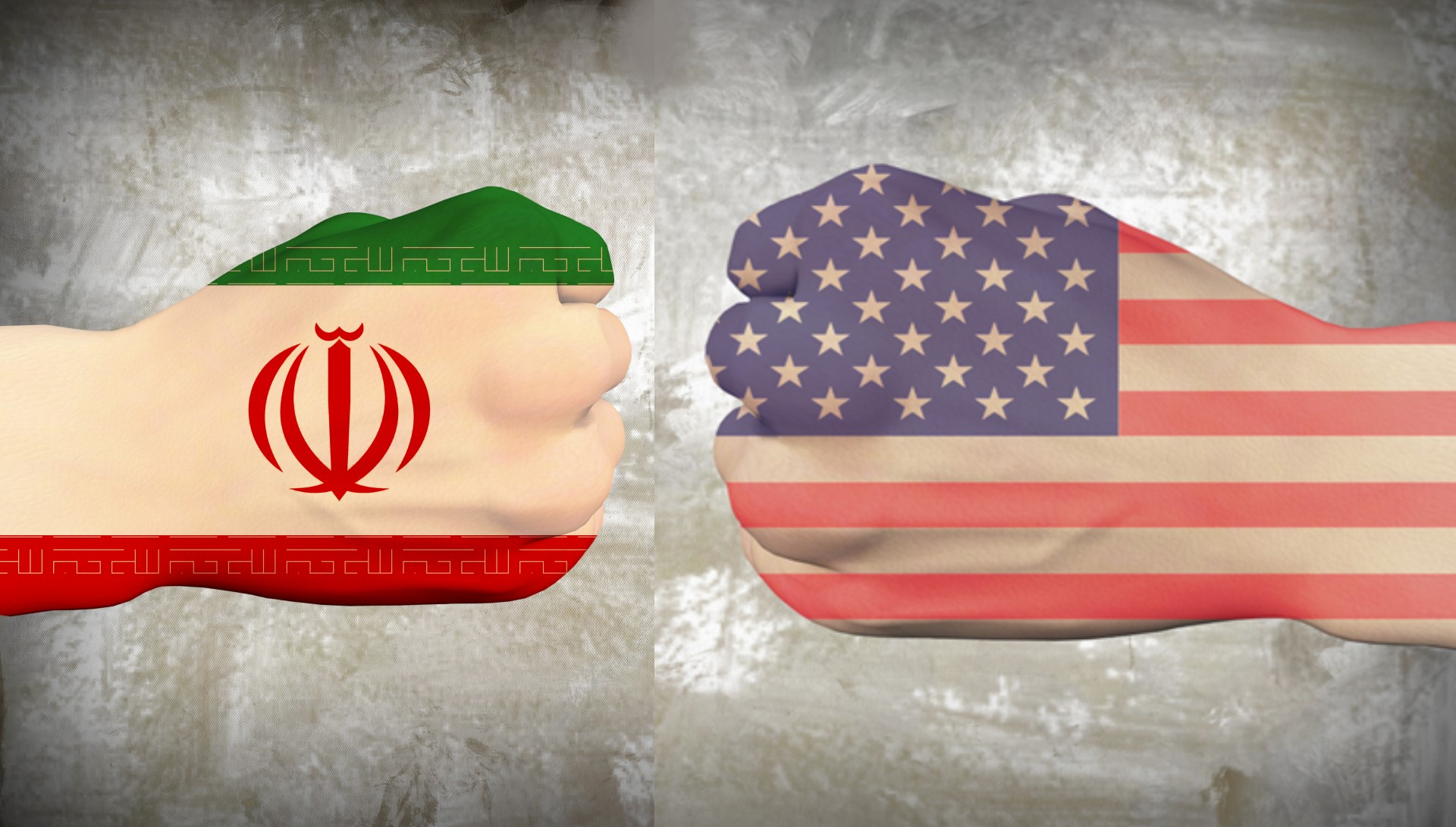
A Race Against Time
The current White House strategy can best be described by this phrase — it appears to be in a state of urgency on all fronts. There is a new deadline and an approaching reference point: February 23rd, the day Trump will address the nation and Congress in a formal joint session.
It has been customary for American presidents to use their annual public addresses to highlight the past year’s achievements and lay out their goals for the coming period. Donald Trump had hoped to announce major breakthroughs in negotiations related to Iran and Ukraine before Congress a week from now.
However, this is almost certainly not going to happen on the Iranian track. The Iranian delegation will not present its new proposals to the American side until two weeks from now. In the meantime, escalation in the Gulf will continue. And the closer the electoral calendar looms, the harder it becomes to order a strike on Iran — an agenda that is deeply unpopular domestically, with approximately 70% of Americans opposing going to war.
On the other side, Ukraine’s supporters are seeking to buy time, maneuver, and bargain with the Americans, demanding financial packages and security guarantees in exchange for any concessions. A decisive push on Kyiv in the coming week is unlikely, even as Trump’s team attempts to accelerate the pace.
There is also a separate track: the risk of a government shutdown in the United States due to a funding shortfall at the Department of Homeland Security. Negotiations with Democrats are proceeding fitfully, as they are imposing strict conditions — among them, a halt to deportation campaigns. Trump’s address to the nation could thus unfold against the backdrop of a government shutdown and additional turmoil within the administrative apparatus. His team finds itself caught between a rock and a hard place, and it is becoming increasingly difficult to contain all the crises simultaneously.
Meanwhile, the United States has repositioned approximately 33% of its active naval fleet to the Middle East, constituting one of the largest combat deployment groupings in the past decade.
There are currently around 33 American naval vessels in the region — including aircraft carriers, destroyers, and submarines — capable of launching up to 600 Tomahawk missiles. F-35, F-22, F/A-18, and F-15 fighter jets are also being transferred at an accelerated pace, alongside KC-135 and KC-46 tanker aircraft and E-3 Sentry airborne early warning planes.
As for Iran, operating in parallel with the military messaging, Tehran has been preparing a package of incentives within a framework designed to maximize negotiating returns. This involves presenting a nuclear deal proposal that grants Trump the image of victory he seeks, without relinquishing nuclear rights — including the right to enrichment under a peaceful program. It would establish a profitable exchange between sanctions relief and commercial demands, along with investment offers granting American companies exceptional golden opportunities in both sectors. Iran has also signaled readiness to enter into regional understandings that include reassuring guarantees to regional states that its missile arsenal will not threaten them, and to reframe its relationship with its allies and its influence on regional security through settlements involving regional states — excluding Israel — based on the formula that Iran will not initiate war, and that Iran will leverage its relationships with its allies to enhance prospects for national settlements rather than internal or regional war projects.
What occurred during the Geneva negotiating round represents an Iranian success in distancing the war gambit — at least partially and temporarily — while awaiting what the coming days of negotiation may bring, particularly in terms of Israeli messages and how they may influence the American position.
Brown land