The Setting of the National Action Plan and Road Map Implementation to Protect Children from Armed Conflicts
Twenty years ago, the world united to condemn and take action against the use of children in armed conflict.

Haffiya Abdalla
Since then, over 130,000 boys and girls have been released as a result of Action Plans mandated by the UN Security Council aimed at ending and preventing the recruitment and use of children in conflict.
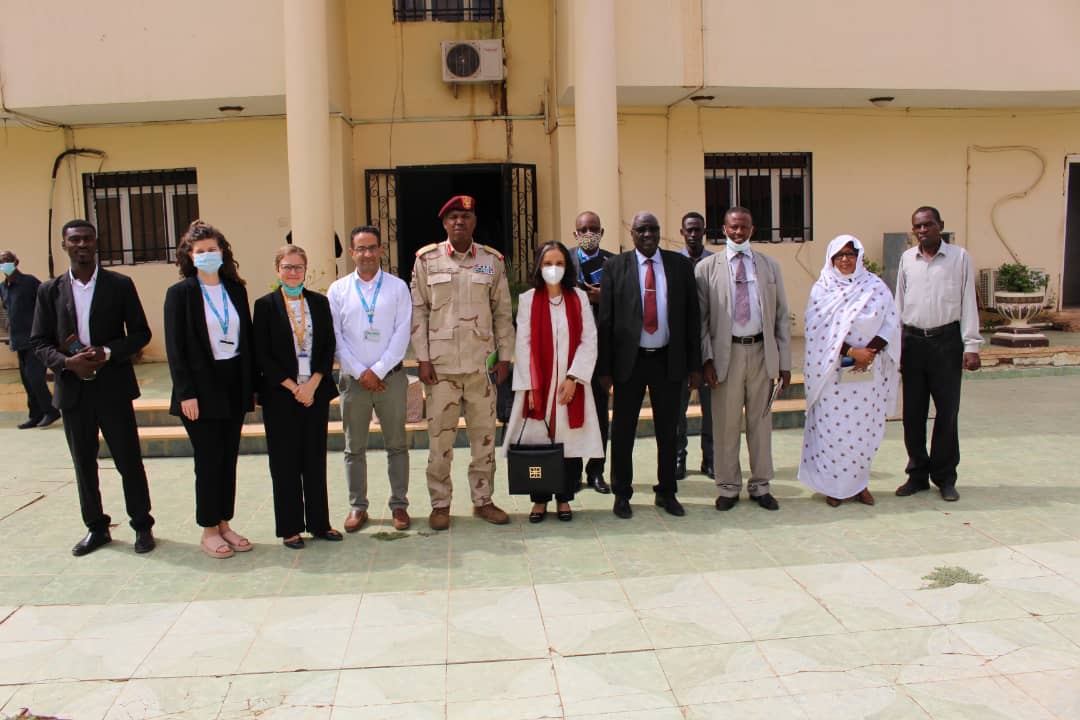
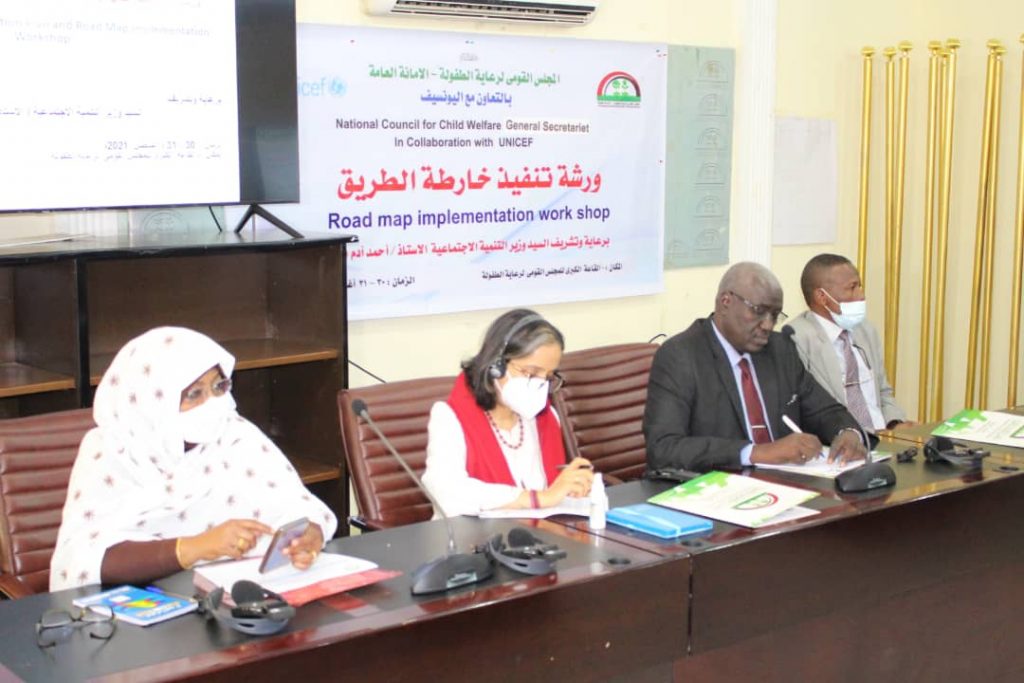
The National Council for Child Welfare NCCW in collaboration with UNICEF organized yesterday Setting of the National Action Plan and Road Map Implementation Workshop participated by all relevant concerned with children protection.
The Minister of Social Development, Ahmed Adam Bakheet, affirmed the commitment of the Government of Sudan to implement all the international and regional agreements ratified by Sudan in protecting children in armed conflicts and providing them with a safe and suitable environment, he said that while addressing the opening session.
The Minister acknowledged that armed conflicts directly affected the stability of children, He praised the efforts of the General Secretariat of the National Council for Child Welfare in protecting children’s rights, which he described as the first line of defense in protecting their rights … He also called for a humanitarian movement with the participation of all relevant actors to reach critical solutions to protect children.
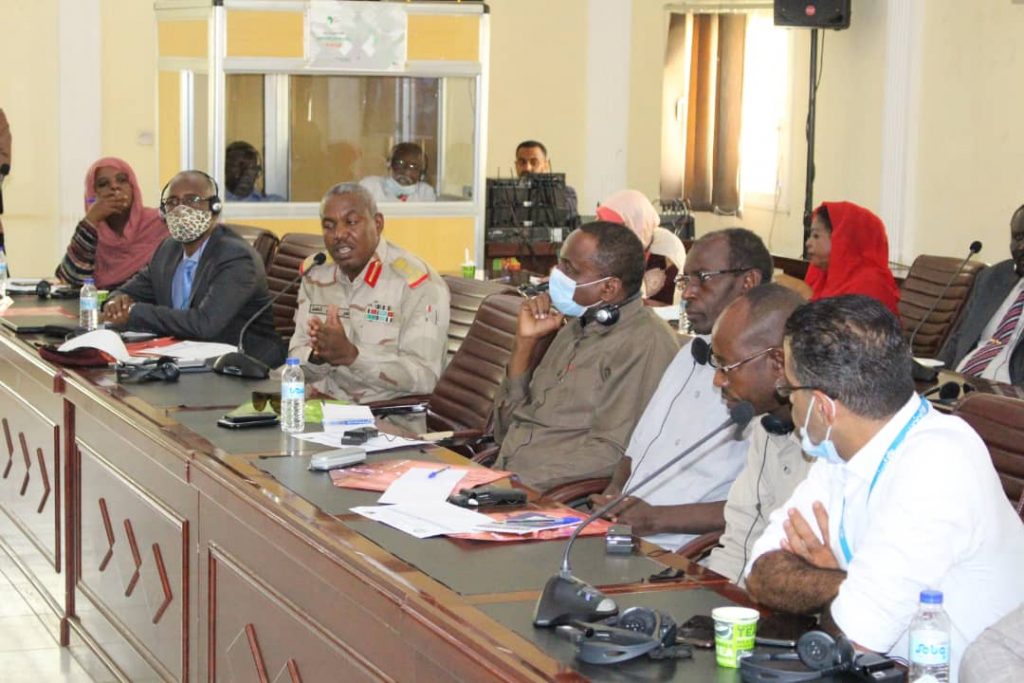
The former Acting Secretary-General of the NCCW, Najat al-Assad, stressed the importance of the work of the technical committee in the coming period, calling for the need to support the technical committee with a decision from the high level of the presidency.
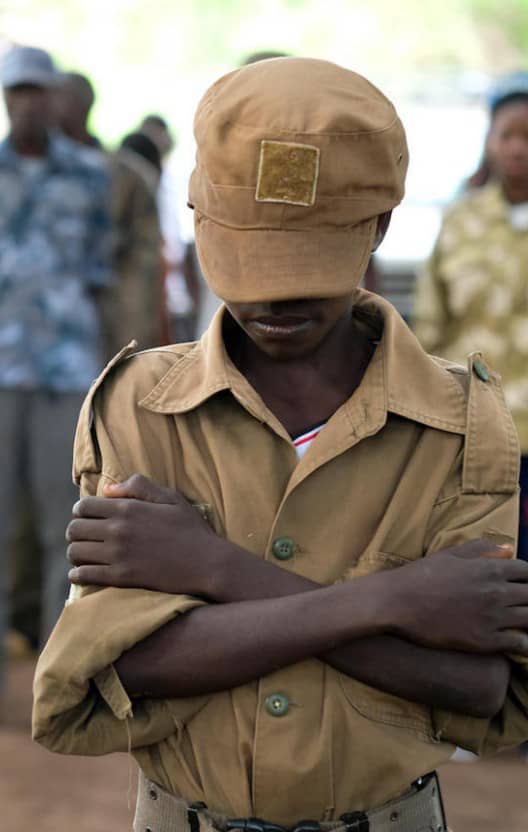
UNICEF representative in Sudan acknowledged the efforts of the Sudan government in protecting children in armed conflicts areas and its commitment to the 2016 action plan, stressing the importance of forming a higher committee, along with a technical committee, to implement the roadmap that began in 2019 to protect children and communities affected by wars, noting that The role of state committees to implement the road map… She said that child soldiers are not criminals or violators of the law, but victims, according to Juba Peace Agreement, indicating that the general goal is to release and integrate children into their communities.
She pointed out the positive role of the Sudanese government towards the Protection of children in armed conflicts.
The Campaign
Launched in 2014, the campaign Children, Not Soldiers, an initiative of the Special Representative of the Secretary-General for Children and Armed Conflict, and UNICEF, aimed to bring about a global consensus that child soldiers should not be used in conflict. The campaign was designed to generate momentum, political will, and international support to turn the page once and for all on the recruitment of children by national security forces in conflict situations. The campaign received immediate support from Member States, UN, NGO partners, regional organizations, and the general public. The UN Security Council and General Assembly welcomed “Children, Not Soldiers” and requested regular updates through the Special Representative’s reporting.
At the time of the launch, the countries concerned by the campaign were:
Afghanistan, Chad, the Democratic Republic of the Congo, Myanmar, Somalia, South Sudan, Sudan, and Yemen.
The campaign ended at the end of 2016, but the consensus envisioned is now a reality and thousands of child soldiers have been released and reintegrated with the assistance of UNICEF, peacekeeping or political missions, as well as UN and NGO partners on the ground. National campaigns to promote the objectives of “Children, Not Soldiers” have been launched in most countries concerned and beyond.