The Launch of Humanitarian Action for Sudan (HAS)
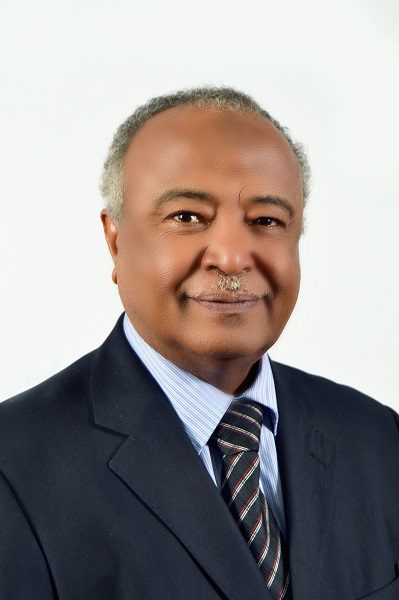
Professor Mekki Elshibly
Executive Director – Mamoun Behairy Center, Khartoum
On April 30, 2025, the Humanitarian Action for Sudan (HAS) will be officially launched at the SOAS, University of London, (Senate Chamber, Paul Webley Wing). HAS is a volunteer-led initiative, primarily formed by non-affiliated Sudanese professionals in the diaspora, with a mission to provide urgent humanitarian assistance to communities devastated by the ongoing war in Sudan since April 2023. HAS brings together seasoned professionals, doctors, academics, human rights advocates, and other specialists.
This strictly by invitation launch will unveil HAS’s 2025–2029 Strategic Plan, which outlines its goals to deliver immediate humanitarian assistance while also fostering long-term resilience. HAS aims to build strategic partnerships with local, regional, and international stakeholders to mobilise and distribute resources through innovative and impactful means, addressing urgent needs while supporting recovery and sustainability.
HAS’s Vision is “A Sudan where every community thrives with access to essential services, resilience against crises, and sustainable opportunities for a dignified life.”
HAS’s Mission is “Dedication to providing lifesaving humanitarian aid, expanding access to healthcare, and supporting community resilience in Sudan. Through strategic partnerships, advocacy, and sustainable solutions, we strive to restore dignity, stability, and hope for those affected by crisis and displacement.”
HAS is firmly guided by core values and principles, including:
• Upholding humanitarian imperatives: saving lives and alleviating suffering.
• Integrity and accountability through transparent, ethical management of funds.
• Responsible governance, inclusivity, and collaboration with local, regional, and global partners.
• Neutrality and impartiality, providing assistance solely based on need.
The six strategic pillars of HAS’s humanitarian response in Sudan include:
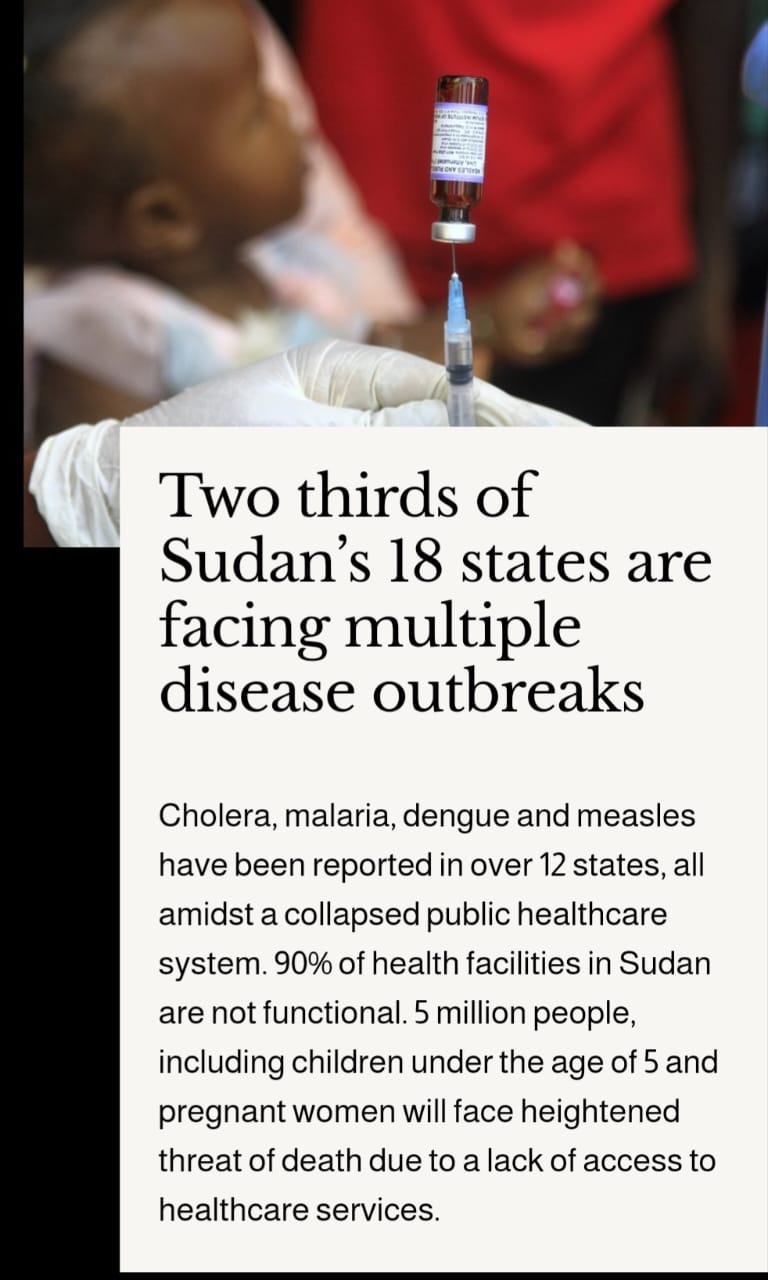
- Healthcare Access – Expanding urgent medical services, maternal care, and supporting health units.
- Emergency Relief – Providing food, shelter, and emergency support to displaced and vulnerable populations.
- Community Recovery – Supporting livelihoods, vocational training, and local recovery efforts to reduce aid dependency.
- Education and Youth Development – Rehabilitating schools, supporting youth engagement, and capacity-building.
- Governance and Advocacy – Advancing human rights, civic engagement, and long-term policy change.
- Institutional Growth and Sustainability – Enhancing HAS’s operational capacity, diversifying funding, and strengthening monitoring and evaluation.
HAS’s advocacy strategy prioritises human rights, dignity, and protection—especially for vulnerable groups such as women affected by sexual and gender-based violence (SGBV), children, internally displaced people, and persons with disabilities. HAS engages governments, donors, and civil society, and builds alliances with local and international partners—including NGOs, academia, media, and diaspora experts. Advocacy tools include media campaigns, storytelling, and social media to counter misinformation and keep Sudan visible on the global agenda. Advocacy is embedded across all HAS’s six strategic pillars.
HAS’s donation strategy is grounded in transparency and ethical fundraising. It focuses on attracting diverse funding from bilateral and multilateral partners, ethically aligned institutions, and the Sudanese diaspora, while ensuring strict compliance with international standards (e.g., the Office of Foreign Assets Control (OFAC) and Anti Money Laundering regulations (AML). Donations are only accepted from socially responsible sources, excluding entities linked to tobacco, alcohol, conflicts, terrorism, or illicit finance. Donors may earmark funds for specific projects, and all disbursements follow transparent governance procedures informed by community participation and real-time reporting.
To ensure fair and transparent fund distribution, HAS allocates resources based on urgent needs through an accountable and organised process. Funds are aligned with the six-pillar strategy and guided by field assessments, beneficiary consultations, and project proposals. HAS’s Steering Committee oversees disbursements, with a standardised review process ensuring alignment with HAS’s mission, impact potential, and financial integrity. All disbursements are rigorously documented and monitored to ensure inclusivity, local empowerment, and minimal administrative costs, maximising impact through trusted local partners and robust feedback mechanisms from beneficiaries, including surveys and audio/video documentation.
As a small volunteer-led initiative, HAS plans to amplify its reach by engaging the Emergency Response Rooms (ERRs) and other credible community groups through a structured volunteer programme. Volunteers will play key roles in health, logistics, advocacy, fundraising, and communications. They will be trained in humanitarian principles, first aid, community engagement, and ethical practices. HAS is also committed to field safety, providing guidelines and codes of conduct to protect volunteers in high-risk areas.
To boost global awareness of the crisis in Sudan, HAS advocates for safe media access to conflict zones, stronger local-international journalist collaboration, centralised information hubs, digital campaigns (e.g., #SupportSudan), and partnerships with trusted global media outlets for in-depth coverage. The Sudanese diaspora will play a central role in amplifying advocacy voices.
The launch event will also unveil HAS’s new website, which will provide up-to-date information on the Sudan crisis, offer advocacy tools, enable partnerships, promote transparency through impact and financial reports, and serve as a hub for real-time emergency updates and coordination.
Through this launch, HAS seeks to catalyse sustainable and impactful humanitarian responses, engaging key stakeholders and leveraging advocacy, partnerships, and media outreach to deliver life-saving support to the most vulnerable in Sudan. Strong collaboration with local, regional, and global partners will be essential in overcoming the ongoing humanitarian crisis and building long-term community resilience.