
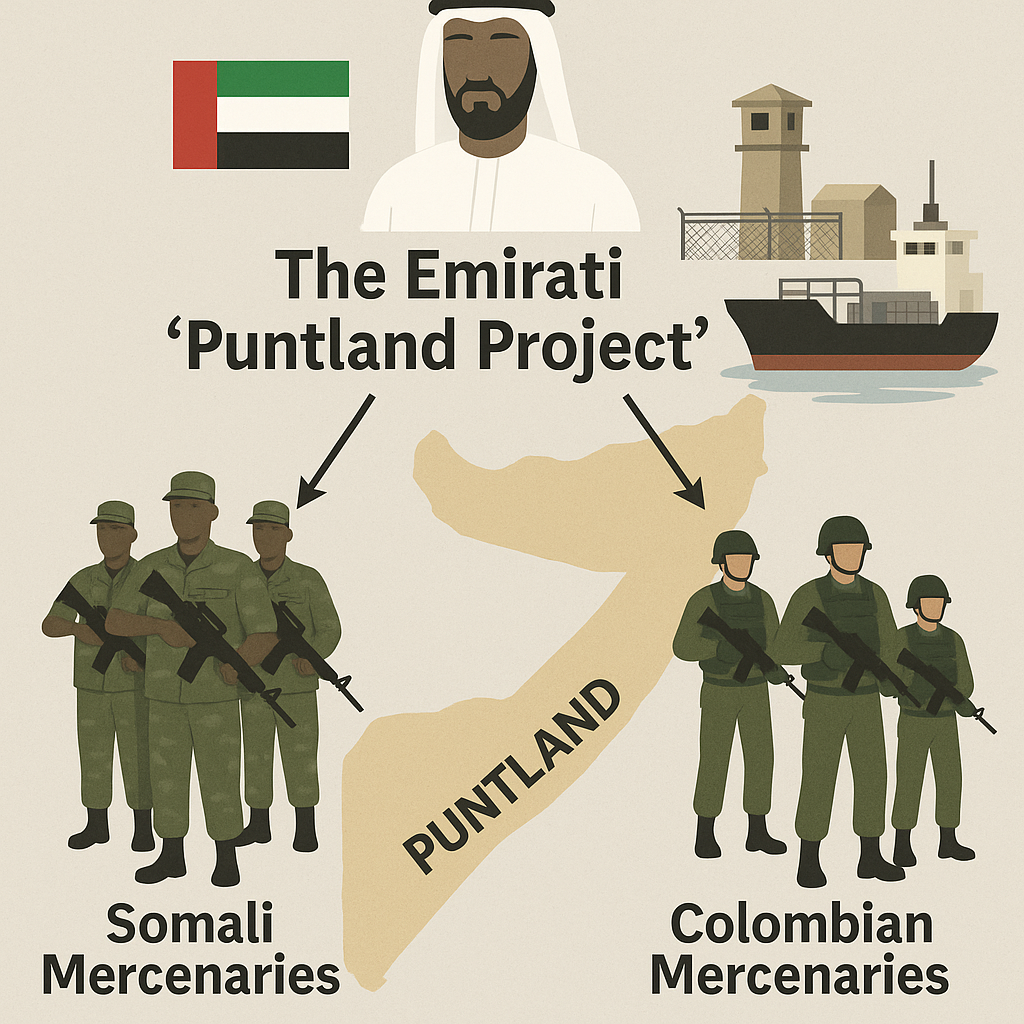
The Emirati “Puntland Project”: Somali and Colombian Mercenaries Between Sudan and the Horn of Africa
By Ammar – AlAraki
Amid the sweeping transformations in Sudan and the wider Horn of Africa, a complex network is gradually being uncovered—one that ties the United Arab Emirates (UAE) to Sudan’s Rapid Support Forces (RSF) through the recruitment of Somali mercenaries, alongside Colombian fighters enlisted to bolster the RSF’s ranks. This strategy reflects the growing reach of what analysts have dubbed the Emirati “Puntland Project”—a hybrid model that fuses the “Wagner-style” reliance on mercenaries with a Taliban-like approach to recycling fragile security and social structures in conflict zones.
On August 16, 2025, Brown Land News, an independent platform specializing in regional security, wars, and foreign interventions, published an exclusive report titled “Somali Soldiers Killed in Sudan’s Darfur Region.” The report revealed the deployment of Somali and Colombian mercenaries in Sudan’s war, raising questions about recruitment networks, foreign funding, and the role of Puntland authorities—who preside over a strategic port and a security apparatus financed externally.
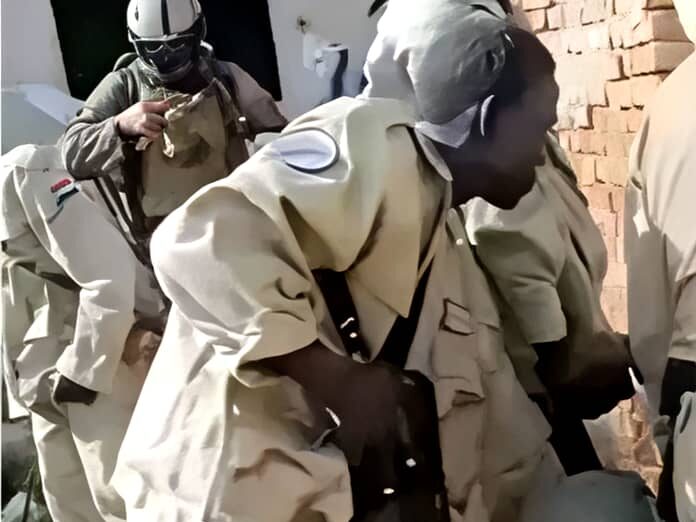
sual contrast on the battlefield: RSF militiamen in flip-flops and turbans alongside Colombian mercenaries in full kit — helmets, ballistic vests, boots, and helmet-mounted cameras. This is not improvisation; it is a UAE-financed, foreign-manned assault element operating on Sudanese soil.
Far beyond logistical support for a rebel militia, the project appears to aim at reshaping the balance of power in Sudan while simultaneously positioning Abu Dhabi to steer events across the Horn of Africa—often by exploiting state fragility and fragmenting social fabrics to serve its regional and global interests.
The Emirati Mercenary Exchange: Somalis and Colombians in Sudan’s War
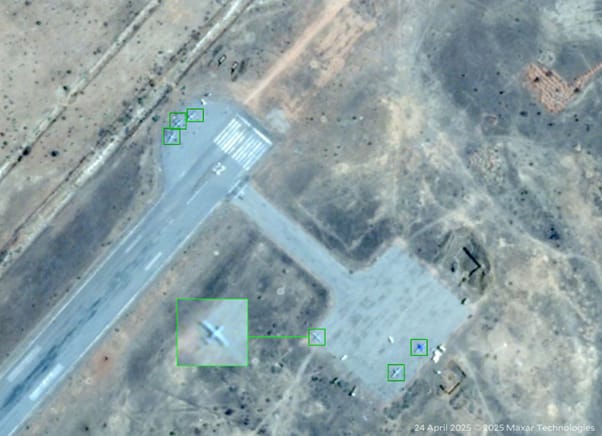
Sudan has not been an exception to the UAE’s destabilization playbook; rather, it has become the latest case study in an old strategy rooted in “engineering chaos and manufacturing proxies.” According to Brown Land News, four Somalis from the city of Bosaso were killed while fighting alongside the RSF, as part of two contingents numbering 320 and 670 recruits, respectively. Among them were members of Puntland’s elite forces. In parallel, Colombian fighters—known for their combat experience—were also deployed, signaling the geographic expansion of Abu Dhabi’s project beyond Somalia and Sudan.
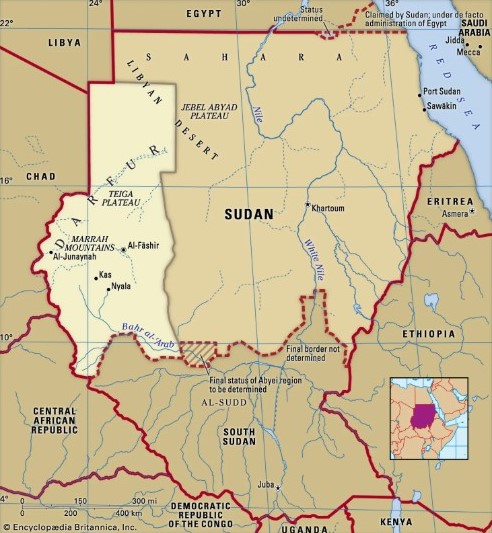
Source: Encyclopedia Britannica
The four confirmed Somali casualties were:
- Ahmed Abdi Kodax – Bosaso
- Hassan Orsh Mohamed – Bosaso
- Abdullah Farah Qasim – Bosaso
- Issa Jama Guled – Bosaso
The revelations raise pressing questions about cross-border recruitment pipelines, financial sponsorship, and the complicity of Puntland authorities—whose territory now serves as both a logistical hub for mercenaries and a potential staging ground for replicating Sudan’s RSF model along the Horn of Africa’s coastline.
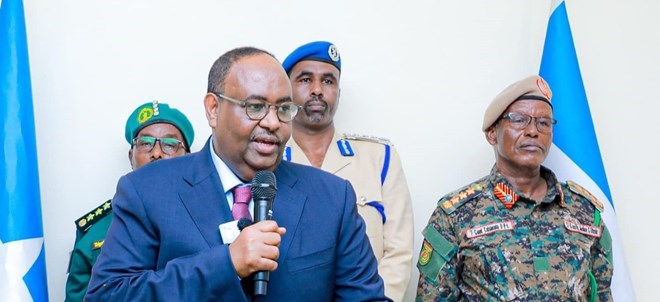
source: Somali Press (New Somalia)
Key Takeaways and Analysis
- Replication of the RSF Model – The pattern of externally backed local forces being repurposed as political and military tools mirrors the Sudanese RSF playbook: prolonging conflicts, sustaining controlled chaos, and allowing foreign powers to shape outcomes.
- Regional Dimensions – The link between Puntland and Sudan underscores the UAE’s strategy of projecting influence far beyond its borders, using armed proxies to secure its strategic footprint.
- Exploitation of Youth – Thousands of young men are being commodified and deployed in wars unrelated to their communities, effectively turning the region into an open mercenary market and draining entire societies of their human capital.
- Beyond Somalia and Sudan – The incorporation of Colombian mercenaries highlights Abu Dhabi’s intent to internationalize its proxy networks, blending local recruits with foreign expertise to strengthen its operational capacity.
- Leveraging Local Infrastructure – Strategic assets such as Bosaso Port and externally financed local authorities have become central instruments of this project, offering a replicable model that could be exported elsewhere across the Horn of Africa.
Conclusion
Brown Land News’ investigation went far beyond naming casualties; it laid bare the operational mechanics of the Emirati project in weaponizing mercenary forces. It demonstrated how Abu Dhabi leverages proxy actors to construct parallel military structures for multi-layered political and security influence—using Sudan as the prototype and the Horn of Africa as the broader theater of experimentation.
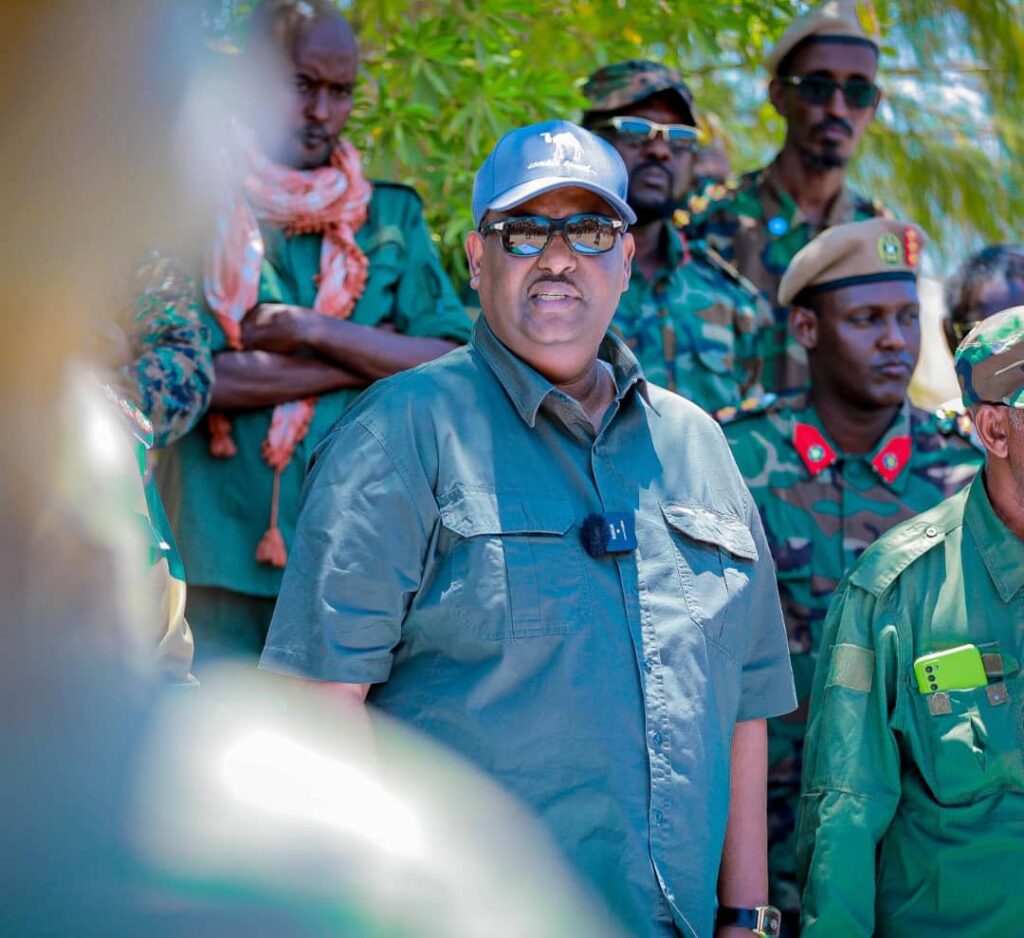
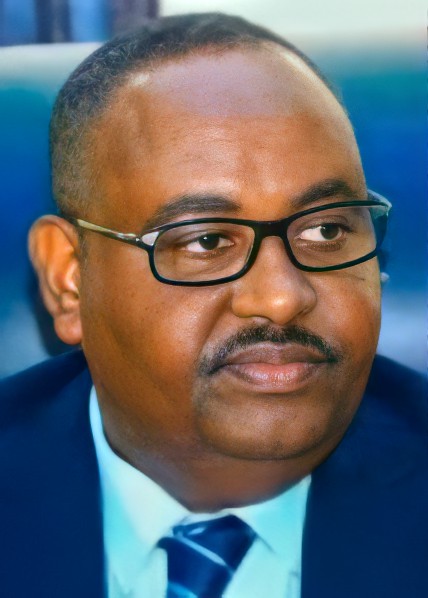
This opens the door to a deeper examination of Abdullah Said Deni’s Puntland experiment—particularly his foreign-funded maritime force—and how it parallels Hemeti’s RSF model in Sudan. The comparison sheds light on the UAE’s strategy of reproducing proxy warfare structures beyond Sudan’s borders, with profound implications for regional security and stability.
Exclusively published by Brown Land News.
Where sovereignty is not negotiable, and truth defies revision.
Our Land. Our Voice. Our News