El Fasher: A City Besieged: The RSF Militia’s War of Starvation and Extermination in Darfur
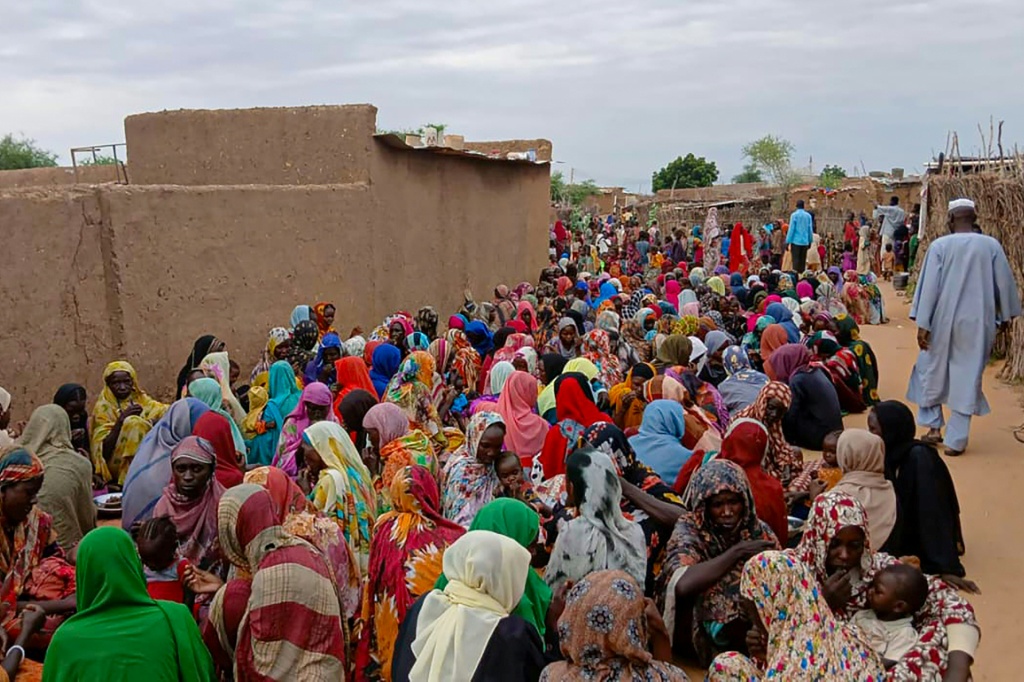
For nearly two years, the city of El Fasher, capital of North Darfur, has endured a catastrophic siege by Rapid Support Forces (RSF militia). What began as a military encirclement has evolved into one of the gravest humanitarian crises in modern Africa, a deliberate campaign of starvation, bombardment, and terror against a trapped civilian population.
Despite repeated UN Security Council resolutions and pleas from humanitarian agencies, the RSF militia has continued to assault El Fasher with impunity. Its tactics of cutting off food and medicine, shelling hospitals and IDP camps, and targeting ethnic communities meet the legal threshold for war crimes and crimes against humanity.
I. Starvation as a Weapon of War
Since mid-2023, the RSF militia has maintained a total blockade of El Fasher, sealing all supply routes and preventing humanitarian convoys from entering the city. Satellite imagery and UN field reports confirm the deliberate obstruction of relief corridors connecting El Fasher to Mellit, Tawila, and Kutum.
According to OCHA situation reports (2024–2025), over 260,000 civilians remain trapped inside the city. Food stocks have collapsed, with the World Food Programme (WFP) describing the conditions as “catastrophic (IPC Phase 5)”, the highest level of food insecurity. Hospitals report deaths from malnutrition, and medical supplies have been depleted for months.
Starvation of civilians as a method of warfare is explicitly prohibited under Article 54 of Additional Protocol I to the Geneva Convention. The RSF militia’s systematic use of hunger and deprivation is therefore a war crime under international law.
II. Indiscriminate Bombardment of Civilian Areas
The RSF militia has carried out sustained artillery and drone attacks on El Fasher’s densely populated neighbourhoods and displacement camps. Verified imagery and UN mission records document repeated shelling of the Saudi Hospital, Al-Janoubi Hospital, and Abu Shouk and Zamzam IDP camps between March 2024 and August 2025.
Each of these facilities was clearly marked as civilian and medical infrastructure. The UN Human Rights Office (OHCHR) and the World Health Organisation (WHO) have verified multiple incidents of direct hits, killing doctors, patients, and displaced persons.
III. Ethnic Targeting and Crimes of Sexual Violence
Beyond the physical destruction of the city, the RSF militia’s campaign in El Fasher has assumed a chilling ethnic character. UN independent experts have documented selective assaults against non-Arab communities, particularly the Zaghawa, Fur, Massalit, and Berti, reflecting continuity with the Janjaweed campaigns of ethnic cleansing.
Survivor testimonies collected by UNFPA and OHCHR confirm patterns of sexual slavery, abduction, and rape of women and girls in RSF militia–controlled areas. Detainees report being held in makeshift camps outside the city, forced into servitude.
IV. Systematic Destruction and Impunity
The RSF militia’s leadership structure, commanded by Mohamed Hamdan Dagalo (“Hemedti”) and his brother Abdul Rahim Dagalo, effectively controls the militia’s chain of command. Evidence from UN missions indicates that the siege and associated crimes are centrally coordinated and not rogue operations.
These crimes occur in defiance of multiple international instruments:
Resolution 2736 (2024), demanding immediate cessation of hostilities around El Fasher and unrestricted humanitarian access.
The Arms Embargo on Darfur has been repeatedly violated by external suppliers providing the RSF militia with drones and artillery.
The result is total impunity: a militia acting as a de facto parallel army, enriched by gold exports and regional sponsorship, while international responses remain paralysed by geopolitical divisions.
V. A Humanitarian Catastrophe and a Legal Imperative
The human cost of El Fasher’s siege is staggering. As of September 2025, the World Health Organisation estimates over 12,000 civilian deaths directly from bombardment and over 40,000 from preventable causes, such as starvation, disease, and lack of medicine. Entire districts lie in ruins; displacement camps have turned into open graves.
External Backers and Enablers of the RSF Militia
The atrocities committed by the RSF militia in El Fashir did not occur in isolation; they were sustained and magnified by a network of external backers and enablers whose material support and recruiting foreign mercenaries made possible one of the gravest humanitarian crises in Sudan’s modern history. Verified UN and forensic investigations have traced arms shipments, fuel consignments, and financial transfers originating from the United Arab Emirates and neighbouring states and private intermediaries that directly strengthened RSF militia operations in Darfur. Despite clear evidence of systematic violations of the UN arms embargo, these actors continued to provide logistical and financial support, thereby becoming partners in the RSF militia’s crimes under established principles of international law concerning aiding and abetting. Their complicity, whether through deliberate transfers of weaponry or through willful blindness to how their resources were used, has enabled the siege of El Fashir to persist, leading to starvation, indiscriminate shelling of civilian infrastructure, and the displacement of tens of thousands. The international community must therefore widen accountability beyond the RSF militia’s direct perpetrators to include all those whose support, in any form, sustained this campaign of collective punishment against the people of Darfur.
VI. Conclusion
El Fasher stands today as a moral test for the international community. Sanctions, condemnations, and resolutions have proven inadequate. The world must act against this terrorist militia and its backers not out of charity, but out of legal and moral obligation to enforce the prohibitions it once vowed to uphold after Rwanda and Srebrenica.
International law means nothing if a militia can starve a city to death before the world’s eyes. Justice delayed in El Fasher will not only betray its victims, but it will dismantle the very foundation of the international system.
About the Author
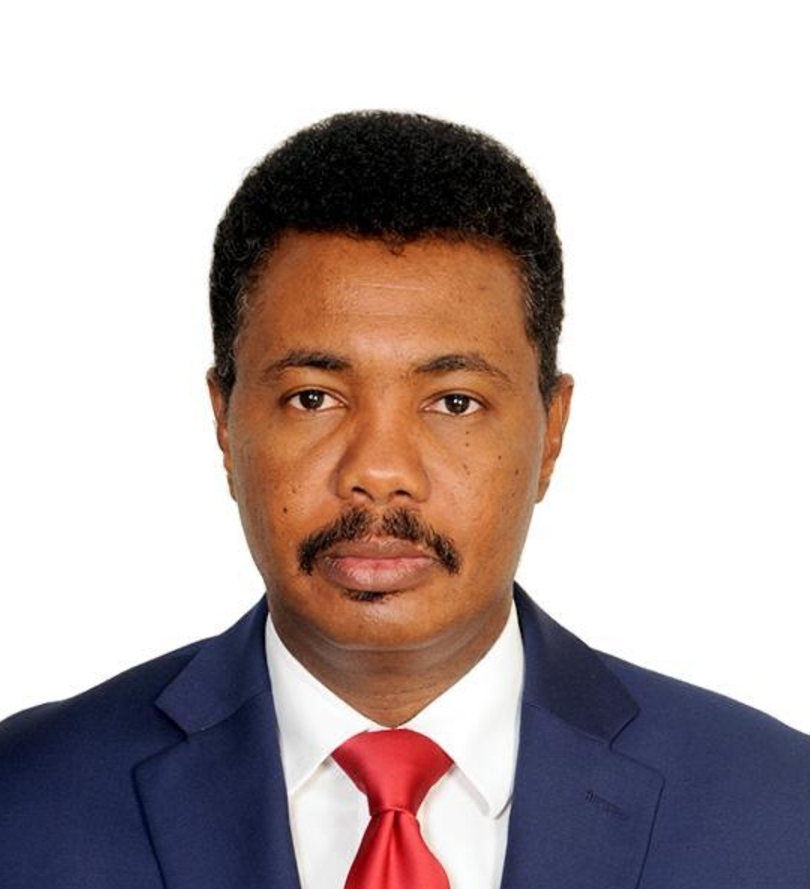
Ambassador Mohamed Osman Akasha, PhD, Charge’ d’Affaires a.i, Embassy of the Republic of the Sudan in Nairobi
Published by Brown Land News.
Where sovereignty is not negotiable, and truth defies revision.
Our Land. Our Voice. Our News