Old Man Musing: Genocide Revival in Darfur
The Fall of El Fasher and the Unheeded Warnings
By: Hassan Gibril
(Former AMIS & UNAMID Peacekeeper In Darfur)

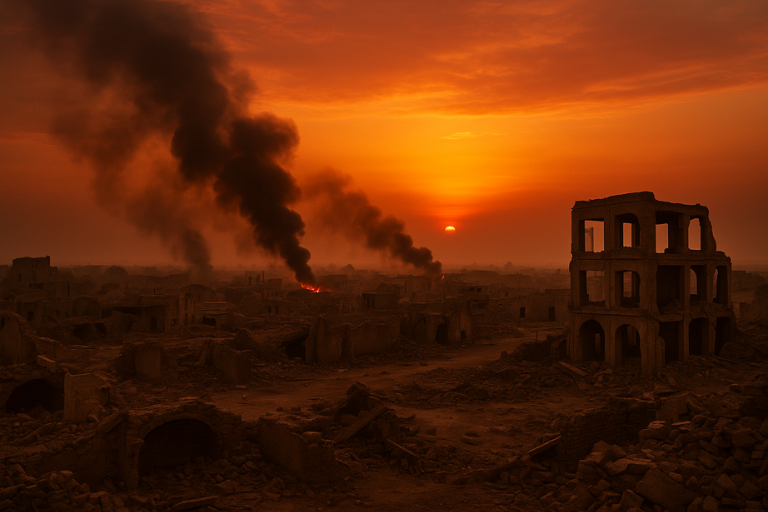
The recent capture of El Fasher, the capital of North Darfur state, by the Rapid Support Forces (RSF) has unleashed a humanitarian catastrophe, echoing the darkest moments of the Darfur genocide. Emerging evidence of systematic killings, summary executions, and forced displacement in El Fasher paints a grim picture of a deliberate strategy to destroy and displace non-Arab communities, thus amounting to genocide.
The RSF, born out of the Janjaweed militias responsible for the massacres in Darfur in the early 2000s, has been accused of ethnic killings and war crimes since the conflict with the Sudanese army erupted in April 2023. The paramilitary force’s leadership has consistently denied these allegations, despite mounting evidence, including gruesome videos shared by RSF fighters themselves, showing summary executions of civilians and ex-combatants.
Eyewitness accounts from survivors describe scenes of terror and violence, with RSF soldiers separating fleeing civilians at checkpoints and executing men. Satellite images collected by the Yale Humanitarian Research Lab show clusters of bodies and potential bloodstains, corroborating reports of massacre sites. The Yale researchers conclude that El Fasher is undergoing a “systematic and intentional process of ethnic cleansing”.
Besides, the fall of El Fasher has brought together the different layers of Sudan’s conflict, with echoes of its dark past and present-day brutality. The RSF’s actions are part of a predictable pattern, following a strategy to weaken and overwhelm populations through arson, sexual violence, massacre, and destruction of vital infrastructure.
This pattern, witnessed in the 2023 massacre of the Masalit tribe in El-Geneina (West Darfur), has been repeated in El Fasher (North Darfur), with devastating consequences. The international community’s failure to act decisively to protect civilians in El Fasher, despite ample warning, is stark.
Aid groups and activists urge pressure on the United Arab Emirates, accused of providing military support to the RSF, to bring an end to the violence. The UN Security Council must take immediate action to protect civilians and ensure accountability for war crimes and atrocities committed.
Conclusion
The fall of El Fasher (North Darfur) and the ongoing genocide and ethnic cleansing by the RSF are a stark reminder of the world’s failure to learn from history. The international community’s inaction in the face of atrocities has emboldened perpetrators, allowing the conflict to escalate into a full-blown humanitarian crisis.
It is imperative that the global community takes immediate and robust action to protect civilians, ensure accountability for war crimes, and bring an end to the violence. The people of Darfur and Sudan deserve nothing less. The lessons from El Fasher (North Darfur) are clear: warnings must be heeded, and action must be taken before it is too late.
To protect civilians in Sudan, the international community can take several specific actions:
- Demand An Immediate Ceasefire:
The UN Security Council should enforce an immediate halt to the fighting and a de-escalation in and around El Fasher to prevent further harm to civilians. - Ensure Humanitarian Access:
Humanitarian organizations should be granted safe, immediate, and unhindered access to areas in need, including El Fasher. - Protect Civilians from Violence:
All parties to the conflict must comply with international humanitarian law and protect civilians from attacks, including ethnically motivated violence. - Halt Arms Transfers:
Countries, particularly the United Arab Emirates, should cease supplying arms and financial support to parties involved in the conflict. - Support Diplomatic Efforts:
The international community should support negotiations aimed at a permanent ceasefire and engage with parties to the conflict to return to the negotiating table. To ensure accountability for war crimes and atrocities committed in El Fasher, the UN Security Council can: - Activate Independent Investigations:
Establish an independent fact-finding committee to investigate crimes and violations committed by all parties. - Expand ICC’s Jurisdiction:
Support expanding the International Criminal Court’s jurisdiction to investigate war crimes and crimes against humanity committed in Sudan. - Impose Sanctions:
Implement targeted sanctions on individuals and entities responsible for war crimes and atrocities. - Support Justice And Reparations:
Establish a specific victim support’s and reparations office for Sudan, backed by a dedicated trust fund. - Monitor And Report:
Continuously monitor the situation and report on human rights abuses and war crimes, pushing for accountability and justice.
Published by Brown Land News.
Where sovereignty is not negotiable, and truth defies revision.
Our Land. Our Voice. Our News