Intersection of Interests and Ambitions… A Stumbling Block Preventing the Classification of the RSF Militia as a “Terrorist Organization”!
Exclusive: Brown Land
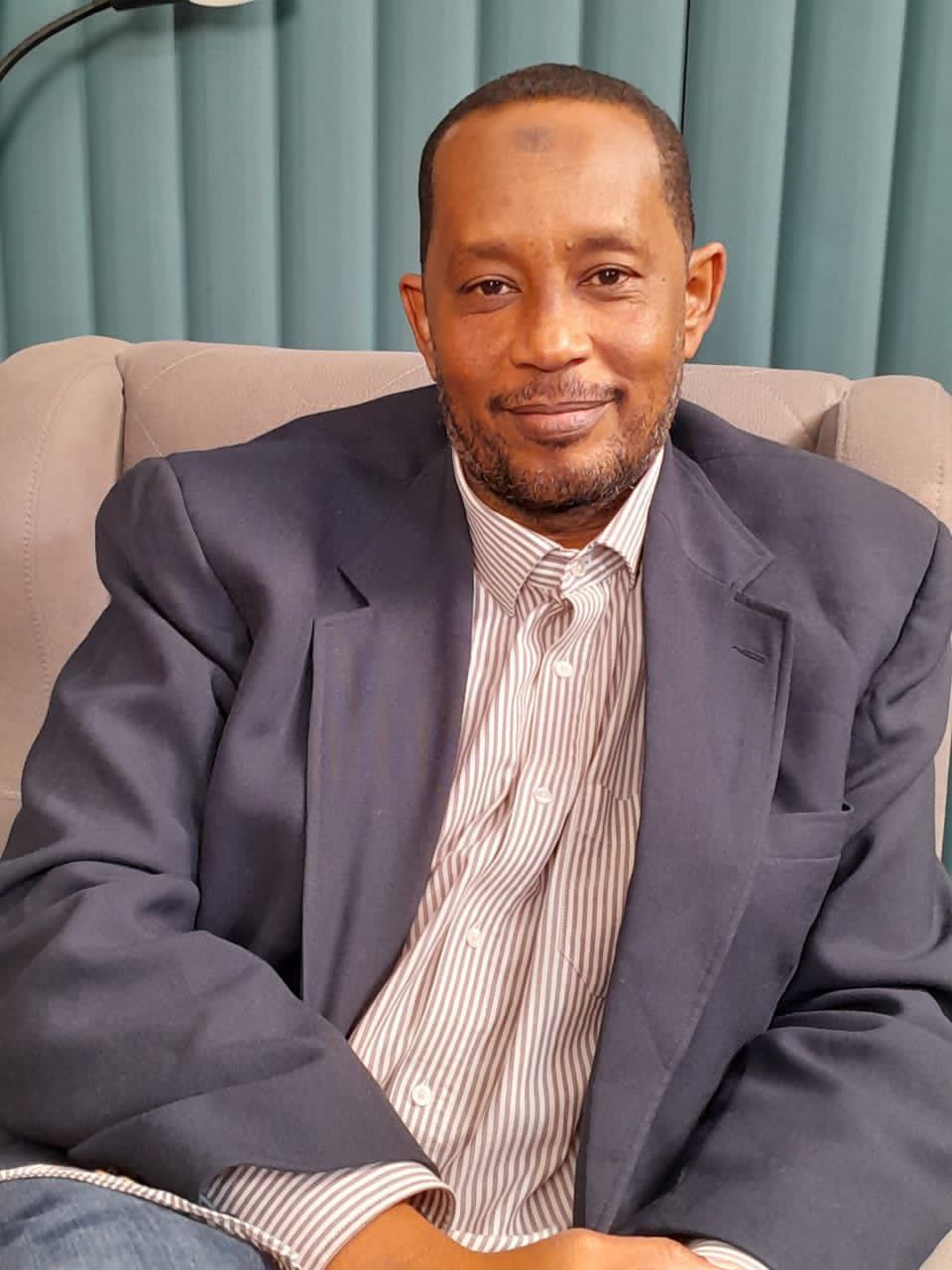
Report by: Badreldin Abdelrahman
The rebel Rapid Support Forces (RSF) militia has committed, during the ongoing war of atrocities in Sudan, a series of crimes that constitute a flagrant violation of international law. Organized waves of violence have been described as rising to the level of crimes against humanity and war crimes, according to repeated statements from the American and British foreign ministries, the United Nations, the UN Security Council, and the African Union.
Continuous reports published by major global and regional newspapers have documented horrific — and even more brutal — crimes committed by the RSF militia across many areas of Sudan’s states, particularly in Darfur and Kordofan.
Yet despite all of this, the militia has not been classified as a “terrorist organization.”
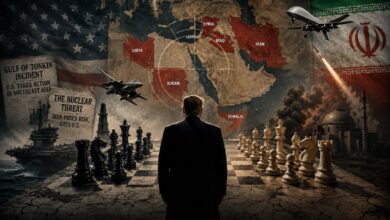
Observers of political and strategic affairs attributed this to several reasons, most notably the existence of intersections and overlaps at both the international and regional levels, which control the compass of political, military, security, and economic decision-making.
“The Militia Is Linked to External Alliances”
Journalist and writer Ibrahim Shaqlawi argued that the matter of classification undoubtedly requires further media, diplomatic, and political pressure.
He explained that despite documented evidence of the RSF militia committing war crimes and crimes against humanity, no official classification has been issued designating it as a “terrorist militia” at the international level. This is due to the absence of official resolutions from the United Nations or international courts on this matter — a fundamental legal prerequisite before any such classification can be made.
Beyond these legal considerations, political and regional factors also play a prominent role. The RSF militia maintains local and regional alliances that make its classification as a terrorist organization a sensitive matter — one that could directly implicate those parties, while also affecting the interests of the powers supporting it, particularly those that planned to hijack the Sudanese state in order to gain control over natural resources, ports, and strategic influence.
Shaqlawi further noted that international law emphasizes the distinction between war crimes and terrorist acts. Proving that a group’s actions are deliberately aimed at terrorizing civilians requires precise judicial investigations, and the absence of such procedures prevents the issuance of an official classification — despite the ongoing and documented violations.
In summary: the failure to classify the RSF as a terrorist militia reflects the double standards of the international community and a moral — let alone legal — failure in dealing with what is happening in Sudan. It also reflects the intertwining of legal, political, and regional considerations, and confirms that the ongoing violations require effective judicial and political mechanisms to ensure accountability and justice.
“The Classification Issue Raises Legitimate Questions”
Political researcher and journalist Khalid Al-Faki noted that the failure to classify the RSF as a “terrorist organization” raises legitimate questions, given the documented war crimes and crimes against humanity in accordance with international humanitarian law and the Rome Statute.
However, according to Al-Faki, classifying an entity as terrorist is not solely determined by the scale of crimes committed. Rather, it is subject to complex political and legal calculations involving regional interests and international balances, as well as procedural requirements that vary from one country to another.
Al-Faki observed that in practice, the militia has benefited from regional cover that provided it with military and political support, and has contributed to obstructing a decisive international consensus regarding its classification. Diplomatic and media influence of some of its backers has been deployed to reshape the narrative, attempting to frame the conflict as an internal political struggle — thereby reducing the legal and moral pressure associated with crimes documented in audio and video, and even through boastful confessions made by its own members, reflecting a systematic and methodical pattern of violations.
Al-Faki concluded that the documentation of mass killings, targeting of civilians, and horrific attacks that rise to the level of crimes against humanity places the international community before a genuine test of the effectiveness of the international justice system. The absence of classification does not mean the absence of responsibility, and the delay in taking a clear legal stance sends wrong messages about impunity.
Al-Faki believes the most productive path lies in activating independent international investigation mechanisms, imposing targeted sanctions, and working to hold the implicated leadership and members accountable before competent national or international courts — thereby ensuring justice for victims and upholding the principles of international law without selectivity or double standards.
“The Value of the Global Response to the Sudanese Crisis”
Political analyst Othman Sheikh Al-Din Akra affirmed that there are numerous and growing documented international reports clarifying grave violations committed by the RSF militia in the context of the Sudanese war. These include mass killings, sexual violence, and widespread destruction of infrastructure in areas such as El Fasher and Darfur in general — crimes that may be classified as war crimes or crimes against humanity according to international legal standards.
Yet the absence of an official classification of the rebel militia as a terrorist organization by major international bodies continues to raise profound questions about the value of the global response to the Sudanese crisis.
Akra stated that classification as a terrorist organization requires a precise legal determination through specific proofs that align with international definitions of terrorism — definitions that focus on political objectives and direct security threats, rather than contexts of armed conflict, which are governed by other legal mechanisms such as the Geneva Conventions. Nevertheless, this delay is seen as a clear weakness in the face of real threats confronting the Sudanese people, particularly given that documented atrocities have not been met with adequate deterrence.
As is widely suggested, diplomatic considerations and foreign interests — including support provided by certain states, which has been a factor in prolonging the war — along with concerns about disrupting mediation efforts, create contexts that impede comprehensive classification. This leaves victims vulnerable to further violence without effective international protection, which demands a reassessment of these balances in favor of justice and peace.
Sheikh Al-Din also noted that recent months have seen repeated calls from the Sudanese government and some Western parties — including members of the U.S. Congress and the European Parliament — to review the situation, with the application of individual sanctions against specific leaders as a first step. However, the absence of comprehensive classification highlights a notable gap that requires greater and faster international pressure to achieve accountability and deterrence.
“The International Community Fears Closing the Doors to a Political Solution”
Writer, political analyst, and News Director of Al-Maqrin newspaper, Ahmed Qasim Al-Badawi, stated that the United States and the international community fear that classifying the RSF as a terrorist organization would permanently close the doors to a political solution. He noted that such a classification would prevent mediators from formally engaging with the forces’ leadership, potentially obstructing ceasefire efforts and the facilitation of humanitarian aid delivery — reflecting a desire to keep negotiation channels open.
International powers, such as Washington and the European Union, prefer to use individual and targeted sanctions against specific leaders — such as Hemedti and Abd Al-Rahim Dagalo — and against companies linked to them, rather than classifying the forces as a fully terrorist entity. This is viewed as a “carrot and stick” pressure tool to push them toward changing their behavior, rather than a policy of complete isolation.
Al-Badawi added that the intersection of political interests is also a direct contributing factor, as the European Union holds agreements with the RSF on combating smuggling and limiting irregular migration. Consequently, any criminalization of the militia could weaken the legal framework of those joint agreements.