Intersection of Interests and Ambitions: A Stumbling Block to Designating the RSF as a “Terrorist Organization” (Part 2)
Exclusive: Brownland
Report by: Badr al-Din Abdulrahman
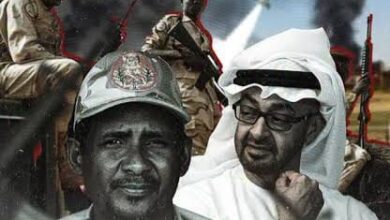
The issue of the failure to designate the rebel Rapid Support Forces (RSF) militia as a “terrorist organization” requires intensive advocacy. This effort must expose the profound imbalance that has dealt a fatal blow to the scale of international justice, as it has become a political tool serving only to implement international and regional agendas for the strongest—an escalation of the concept of “political thuggery” protected by law. While this issue is tied to many internal, regional, and international factors, it has, in its entirety, stripped the mask off institutions of justice and law. It has confirmed a truth that no sunlight can hide: global decision-making, in its various forms, has become directed to serve specific trends, ideologies, and ambitions.
“International parties fear that designating the RSF as a ‘terrorist organization’ will lead to its exclusion from the political process.”
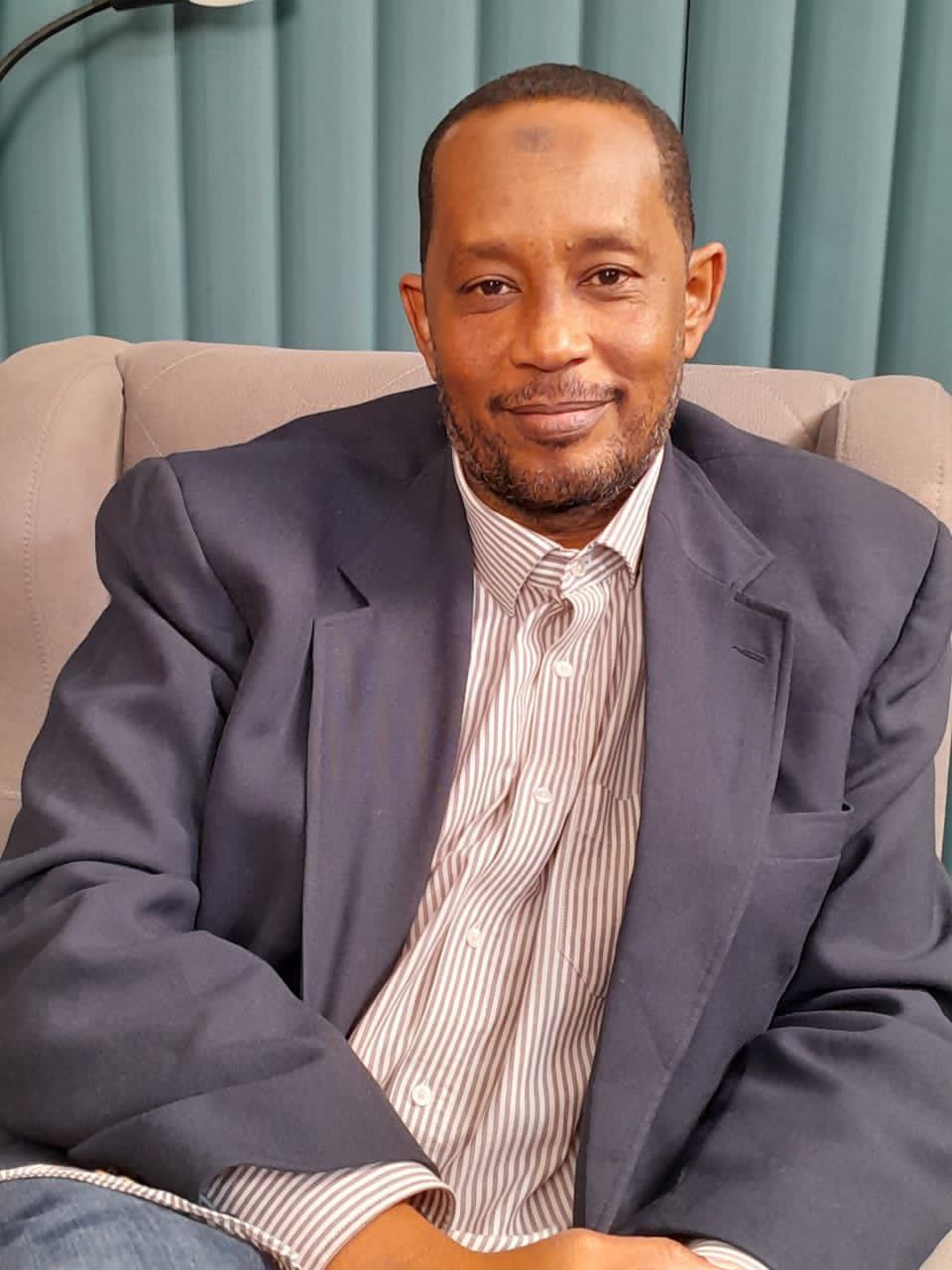
Journalist and writer Dr. Maymouna Saeed Adam Aburagab argued that the failure to designate the RSF militia as a “terrorist organization” is due to the following primary reasons:
- Political and Diplomatic Complexities: These are evident in the avoidance of obstructing the peace process. International parties fear that designating the RSF as a “terrorist organization” would exclude it entirely from the political process and the overall equation. This would make ending the war through negotiation nearly impossible, as direct negotiations with organizations designated as terrorist are legally prohibited.
- Regional Balances: Washington’s regional partners play a role in this file. While some countries support this designation, others are believed to be obstructing the move due to the legal and reputational risks they might face if their links to an entity designated as terrorist under U.S. counter-terrorism laws are proven.
- Avoiding Further Fragmentation: UN officials believe that excessive pressure might push the RSF militia toward more “radical” positions or toward a secessionist project in Darfur, thereby increasing the fragmentation of Sudan.
- Distinction Between “War Crimes” and “Terrorism” in Law: Here, criminal versus political classification emerges. The international community currently deals with violations from the perspective of “atrocity crimes” rather than “terrorism.” The UN High Commissioner for Human Rights emphasized that the atrocities in El Fasher constitute the “gravest crimes,” while the UN Fact-Finding Mission described the militia’s actions as bearing the “hallmarks of genocide.”
- Use of Alternative Sanctions: Instead of designating the organization as a whole as “terrorist,” the United States, the European Union, and Britain prefer to impose targeted individual sanctions. These sanctions include asset freezes and travel bans on senior leaders, such as those responsible for violations in El Fasher and the networks that fund them (such as Colombian mercenary recruitment networks).
- Current Legal Status and Ongoing Actions: Within the U.S. Congress, there is continuous movement from lawmakers demanding that the Trump administration designate the RSF as a “Foreign Terrorist Organization” (FTO). An amendment to the 2026 National Defense Authorization Act (NDAA) has been submitted to compel the administration to evaluate this designation.
- ICC Investigations: The Office of the Prosecutor of the International Criminal Court (ICC) is currently focusing on gathering evidence regarding crimes committed in Darfur and El Fasher. It has found “reasonable grounds” to believe that crimes within the court’s jurisdiction (murder, looting, and gender-based crimes) have been committed.
- Security Council Sanctions: The UN Security Council has already imposed sanctions on RSF generals for destabilizing the country—the first time this has been done during the current war.
“The scale of international justice is profoundly imbalanced.”
Discussing the controversy over the non-designation of the rebel RSF militia as a “terrorist organization,” journalist Ms. Amal Tabidi explained that the majority realize that the scale of international justice is profoundly imbalanced. “In my opinion,” she stated, “there is no international justice that supports the right and tries the oppressor, because the entire world is governed by the scale of power. The powerful have the right to practice political ‘thuggery’ in all its forms and its most heinous images without accountability.” Furthermore, the issue of Sudan was largely forgotten, and there was no international movement except from Saudi Arabia, Egypt, Qatar, and a few other countries. It is an undeniable fact that the RSF is originally a militia supported from abroad with unlimited backing.
Many other factors played a major role in its exclusion from the terrorism list. However, despite all of this, internal reasons contributed to this aspect, including a deficient national media and a paralyzed Sudanese diplomacy. Here, an important question arises: What is the role of the media in Sudanese embassies abroad, and what have the ambassadors done? Nothing noteworthy!
Therefore, the issue of designating the militia is a massive undertaking that requires concerted efforts and significant external support. There are many countries that could have supported this cause, but thanks to some foreign policies of previous regimes and the current government, we have lost many countries that could have aligned with us.
It is also regrettable that current opposition groups have become “destructive” groups, as they do not distinguish between the homeland and the ruling regime. This was a result of the emergence of agency and treason, which was evident through shuttle tours intended not to condemn the militia, but rather to condemn the military institution, while turning a blind eye to the massacres, ethnic cleansing, and unprecedented horrific crimes committed by the militia.
Other factors contributed to the non-designation of the militia as a “terrorist organization,” including the imbalance of the scales of justice and the militia and its supporters’ reliance on money—through which consciences are bought and sold, and reports and damning facts are falsified. The militia has become an economic empire and an external arm. However, after the recent issuance of international sanctions on some RSF leaders, I expect it to be designated as a “terrorist organization” soon, provided that human rights and legal organizations become active and submit reports exposing the militia’s crimes. This must be supported by countries backing the country’s unity, and must coincide with an increase in media, diplomatic, and political activity from all those concerned with the supreme national interest of Sudan.