
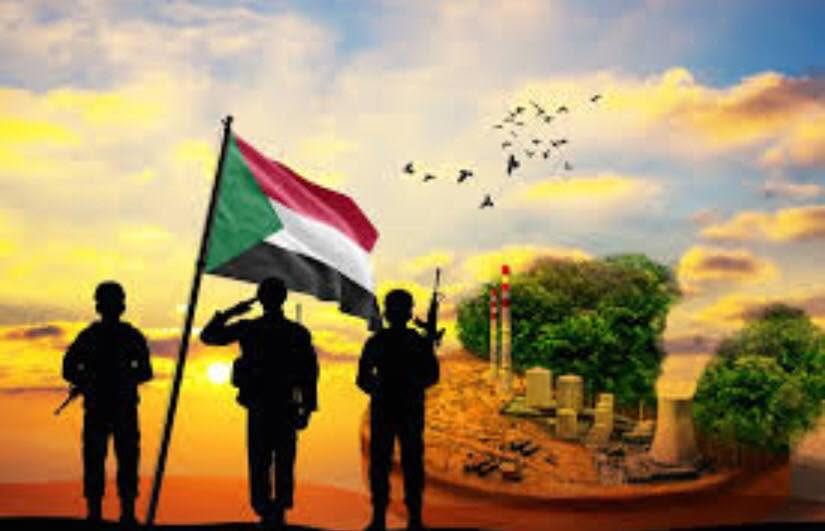
Navigating the Path to Peace: The Sudanese Government’s Red Lines
Dr. Omar A. Mannan
The ongoing conflict in Sudan has reached a critical juncture, leaving the nation and the international community searching for a viable path toward stability. While the Sudanese government has officially signaled its openness to peace proposals, its stance is defined by a set of non-negotiable “red lines.”
The administration maintains that while it is ready to engage with any initiative that preserves Sudan’s territorial integrity and brings a definitive end to hostilities, it will not accept terms that compromise national sovereignty or validate the rebellion.
The Prerequisites for Engagement
For a peace proposal to be considered “publishable” or actionable by the current administration, it must meet three primary objectives:
Sustainable Peace: A total cessation of violence.
Territorial Integrity: Maintaining the unified borders of the Sudanese state.
National Sovereignty: Upholding the authority of the state without external overreach.
The “Non-Negotiables”: Six Barriers to Agreement
The government has outlined specific conditions that would lead to the immediate rejection of any peace framework. These points reflect a deep-seated concern regarding foreign influence and the legitimacy of the state.
1. Exclusion of the UAE as a Mediator
The government categorically rejects the United Arab Emirates (UAE) as a mediator. This is based on the official position that the UAE is not a neutral observer, but rather a direct party to the conflict. From the government’s perspective, an “enemy” state cannot serve as a fair arbiter in peace negotiations.
2. Respect for Sovereignty
Any proposal that fails to recognize the legal and sovereign authority of the central government over its entire territory will be dismissed. This includes any suggestion of partition or autonomous regions that bypass federal authority.
3. Refusal of “False Equivalency”
A major sticking point is the language used in international drafts. The government refuses any agreement that equates the official state military and institutions with the rebel forces. They maintain that a distinction must be kept between the legitimate state and an armed insurgency.
4. Non-Interference in Domestic Politics
The peace process should be limited to ending the conflict. The government views any proposal that attempts to dictate internal political structures or governance from the outside as an infringement on Sudan’s right to self-determination.
5. Complete Termination vs. Temporary Pauses
Sudan is not seeking another “humanitarian pause” or a temporary ceasefire that allows for regrouping. The government’s goal is a complete and final end to the war. Proposals that merely result in a “freeze” of the conflict are seen as counterproductive.
6. Focus on the Present Conflict
The government argues that peace talks should focus on ending the current war before complicating the process with post-war political arrangements. Including complex long-term political restructuring in the immediate peace deal is viewed as a tactic that delays the cessation of violence.
Conclusion:
The Road Ahead
The Sudanese government’s position is clear: peace is the priority, but not at the cost of the state’s fundamental identity or security. For the international community to succeed in brokering a deal, mediators must navigate these sensitivities, ensuring that the legitimacy of the state is respected while effectively silencing the guns.