New START Treaty: Global Security at Risk Following Expiration
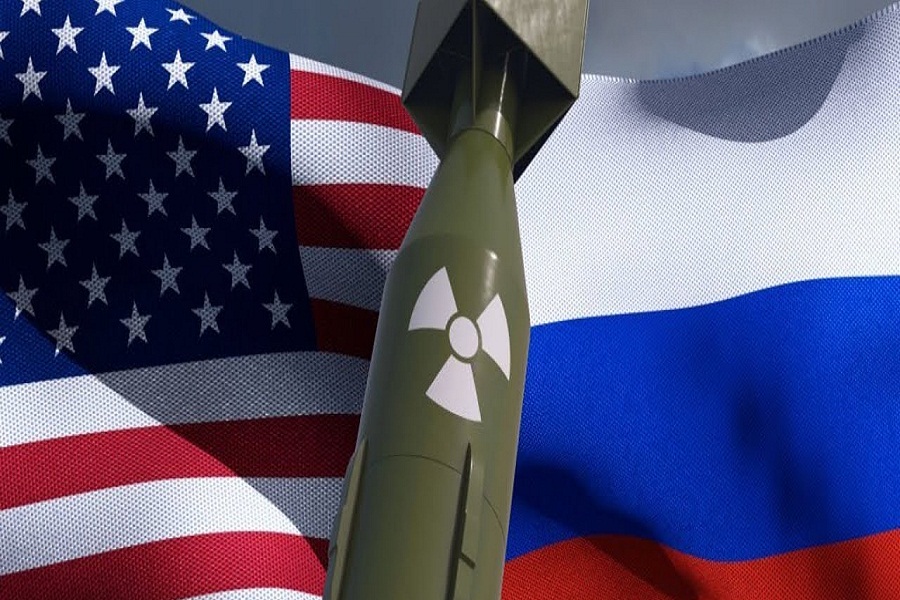
The “New START” (Strategic Arms Reduction Treaty) is a bilateral agreement between the United States and Russia designed to reduce strategic offensive nuclear arsenals. Officially titled “Measures for the Further Reduction and Limitation of Strategic Offensive Arms,” it was signed by U.S. President Barack Obama and Russian President Dmitry Medvedev on April 8, 2010, in Prague. The treaty entered into force in 2011 with an initial ten-year duration.
Key Provisions:
• Setting a limit of 1,550 deployed strategic nuclear warheads for each party.
• Restricting the number of delivery vehicles (ICBMs, SLBMs, and heavy bombers) to 700.
• Establishing an inspection and data-exchange regime considered one of the most extensive in nuclear oversight history.
• Reducing warhead ceilings by 30% compared to previous treaties and slashing launch mechanisms by 50%.
New START follows a legacy of agreements, including START I (1991), which limited warheads to 6,000 and launchers to 1,600, and START II (1993), which aimed to ban MIRV-equipped ICBMs. While START III was proposed, it was never formally signed.
On February 3, 2021, both nations agreed to a five-year extension. However, the treaty officially expired on February 5 of this year, leaving the world’s two largest nuclear arsenals without a binding legal framework for the first time in decades.
Tensions and Accusations:
Washington accused Moscow of violating treaty terms, while Moscow viewed the agreement as a tool for political leverage. Both sides argue the other is developing new weaponry—such as hypersonic missiles and tactical nuclear weapons—that fall outside the treaty’s current scope, rendering it insufficient for maintaining balance.
Impact on International Security:
The treaty provided a legal framework that prevented arsenal expansion and reduced the risk of unintended escalation. Observers note it served as a model for cooperation between historical rivals and fueled global disarmament efforts.
International Reactions:
• Russia: Blamed the U.S. for the collapse of the nuclear control system, stating current political conditions pose a direct threat to global stability. Moscow announced it would now manage its arsenal based solely on national interests.
• The United States: Contended that Russia obstructed inspection mechanisms and data exchanges. Washington maintains that any future agreement must include China, given its expanding nuclear capabilities.
• China: Echoed Moscow’s concerns but expressed reservations about joining a trilateral deal, arguing its arsenal remains significantly smaller than those of Washington or Moscow.
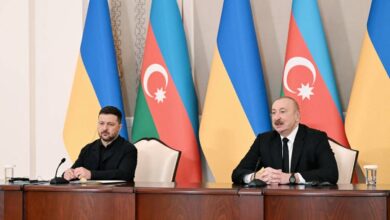
• Ukraine: Views the treaty’s end as a direct threat to its national security amidst the ongoing war. Kyiv asserted that the collapse reflects Moscow’s policy of undermining international arms control and called for bolstered security guarantees.
• UN Secretary-General António Guterres described its expiration as a “dangerous moment for international security,” warning that the world is now closer to an uncalculated nuclear confrontation.
The Current Outlook:
While media reports hint at a potential return to dialogue, no official negotiations have been announced. The current situation is described as a “legal nuclear vacuum.” It remains unclear when, or if, a new Russian-American dialogue will resume to fill this void.