After more than a year of grinding attrition, Russia’s forces are edging closer to decisive urban breakthroughs in southern and eastern Ukraine. These developments are not merely tactical—they carry the potential to reshape the political landscape of the conflict and redefine the parameters of any future peace negotiations.
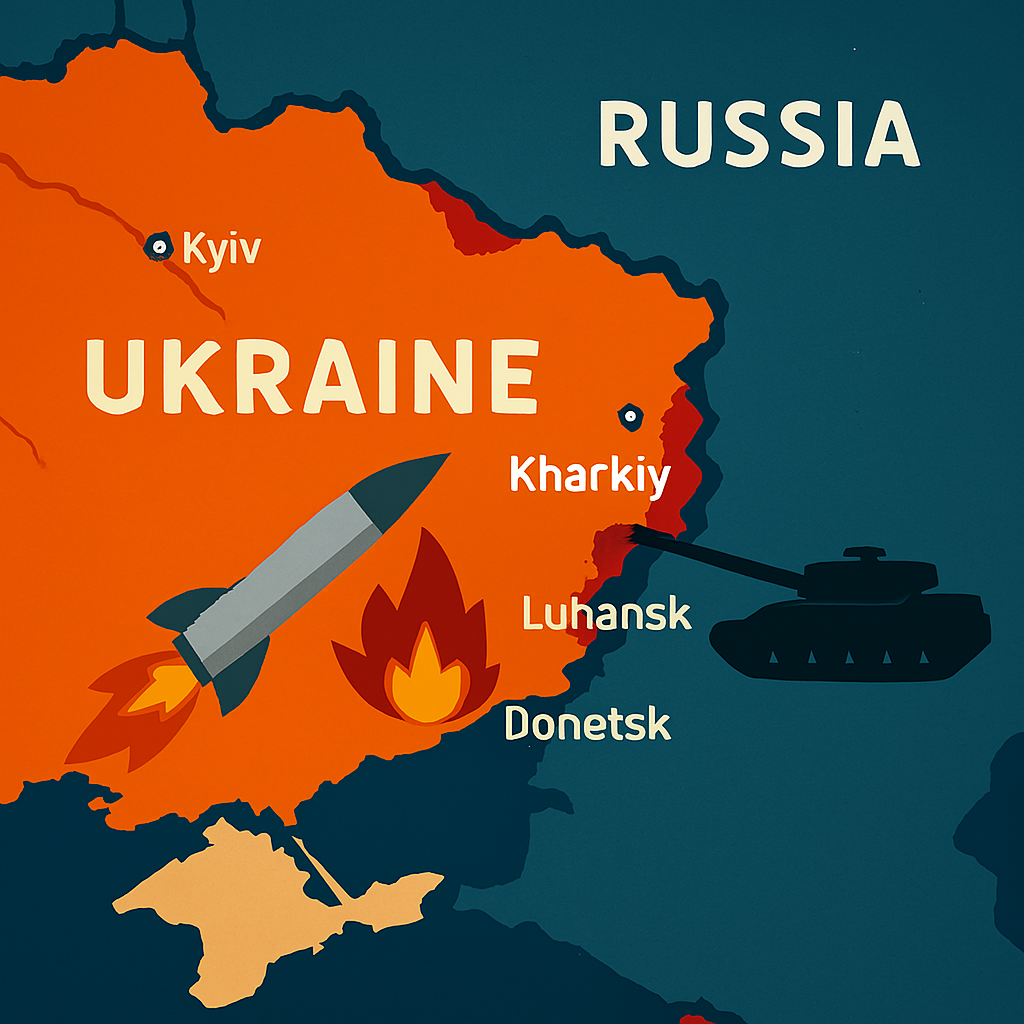
In Zaporizhzhia, the near fall of Hulayopol underscores the fragility of Ukraine’s defensive depth. Once a vital support hub, the city is now almost entirely under Russian control. Its loss leaves Zaporizhzhia city exposed, a major industrial center that could soon find itself within range of Russian drones. The symbolism here is stark: Russia is not only eroding Ukraine’s territorial control but also threatening its economic lifelines.
Meanwhile, in Donetsk, Ukraine’s defense of Pokrovsk and Myrnohrad has slowed Russia’s advance, thanks to sophisticated drone warfare. Yet the broader trajectory remains troubling. Russia’s methodical, relentless pressure—despite staggering human costs—suggests a strategy designed to grind down Ukrainian resistance. Should these cities fall, Moscow would gain urban bases for concealing drone operators and secure logistical corridors via road and rail. Such gains would pave the way for completing Russia’s control of Donetsk Oblast, a symbolic and strategic milestone.
The looming battle for Konstantinovka illustrates the next phase of this campaign. As the southern gateway to Ukraine’s last defensive line in Donetsk, its vulnerability is heightened by Russian drone strikes on supply routes. Ukrainian forces, increasingly reliant on remote-controlled logistics, face a precarious situation that reflects the broader strain on their war effort.
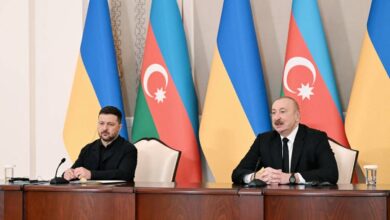
Beyond the battlefield, the political reverberations are intensifying. Internationally, Ukraine is under growing pressure, particularly from U.S. President Donald Trump, who has revived the argument that territorial concessions may be the only viable path to ending the war. His blunt question to President Volodymyr Zelensky—whether a deal is now less costly than continued fighting—captures the dilemma at the heart of Ukraine’s struggle: resist at all costs, or negotiate from a position of diminishing strength.
This moment feels pivotal. Russia’s incremental advances are not dramatic blitzkriegs, but they are strategically corrosive. Each captured city erodes Ukraine’s leverage, while each drone strike deepens the sense of inevitability. The war is no longer just about territory—it is about shaping the political narrative of what peace might look like, and who gets to define it.