Somali Federal Government Bans Two Airlines Carrying Armed Regional Forces to Mogadishu
Written by Abdiasis Farah Said
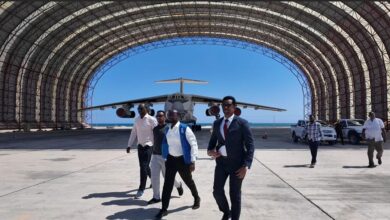
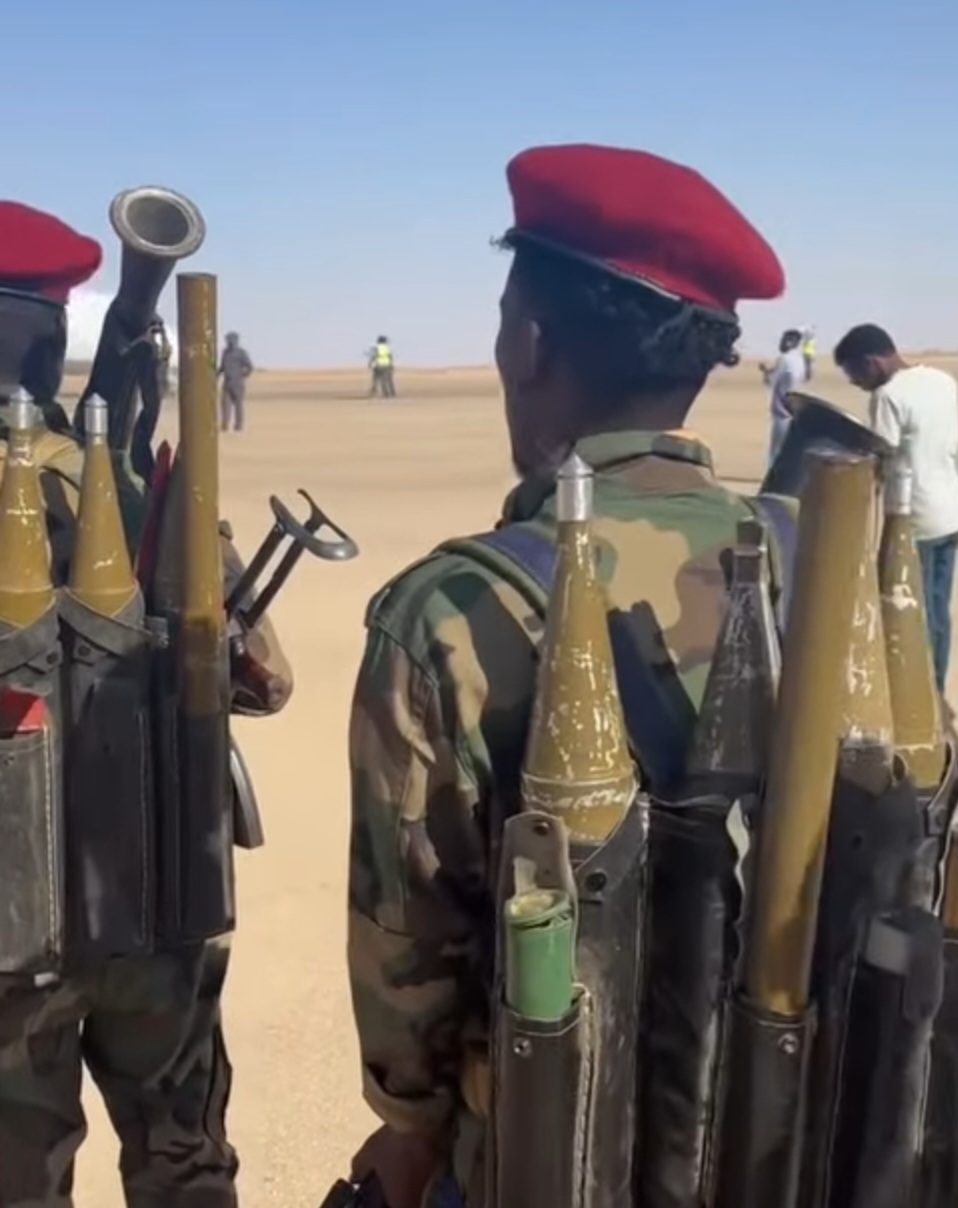
Mogadishu, Somalia — The Somali Federal Government on Tuesday announced a ban on two commercial airlines after they attempted to transport heavily armed regional forces into Mogadishu from Puntland and Jubaland states, according to official sources.Federal authorities said the aircraft were carrying soldiers equipped with AK-47 rifles and rocket-propelled grenades (RPGs). The troops were identified as elite special forces attached to the presidential palaces of Jubaland President Ahmed Mohamed Islam (Ahmed Madobe) and Puntland President Said Abdullahi Deni. The incident occurred one day before the two regional leaders were expected to arrive in Mogadishu to attend a scheduled high-level meeting of the Somalia Future Council, chaired by President Hassan Sheikh Mohamud.In an official statement, the Federal Government stressed that Mogadishu is fully secure and that the responsibility for the protection of all political leaders, delegations, and civilians in the capital lies exclusively with federal security institutions.“No individual or regional authority is permitted to bring armed forces or heavy weapons into Mogadishu,” the statement said. “The Federal Government is responsible for ensuring the safety of everyone in the capital.” Government officials confirmed that federal authorities had previously allowed a limited number of lightly armed personnel to accompany regional leaders for close personal security. However, this time the regional administrations allegedly attempted to deploy nearly 200 heavily armed soldiers, a move the government described as a clear breach of national security regulations. The decision has sparked political controversy and raised concerns about the viability of the upcoming meeting, with multiple sources warning that the talks now face the risk of collapse.Beyond political circles, many Somalis have reacted critically to the actions of the regional leaders, arguing that attempting to bring such a large number of armed troops into Mogadishu was unnecessary and counterproductive. Public commentators and civil society voices say the move damages the reputation of the capital’s security situation and undermines ongoing efforts to present Mogadishu as a stable and secure seat of government.Residents and analysts alike note that Mogadishu regularly hosts international delegations, diplomats, and major political events under federal security arrangements, making the deployment of large, heavily armed regional forces both excessive and unjustified.Meanwhile, the Puntland and Jubaland administrations have condemned the federal government’s decision, accusing it of obstructing political engagement and escalating tensions between the federal center and member states.Political observers say the dispute highlights persistent disagreements within Somalia’s federal system, particularly over authority, trust, and security control in the capital, at a time when unity is widely seen as critical to national stability. As of Tuesday evening, it remained unclear whether the Somalia Future Council meeting would proceed as scheduled or be postponed amid the growing standoff.