Somalia’s Electoral Talks Collapse as Dispute Deepens Over Reform Agenda
By Abdiasis Farah Said
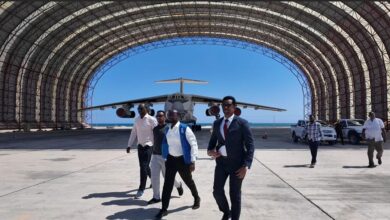
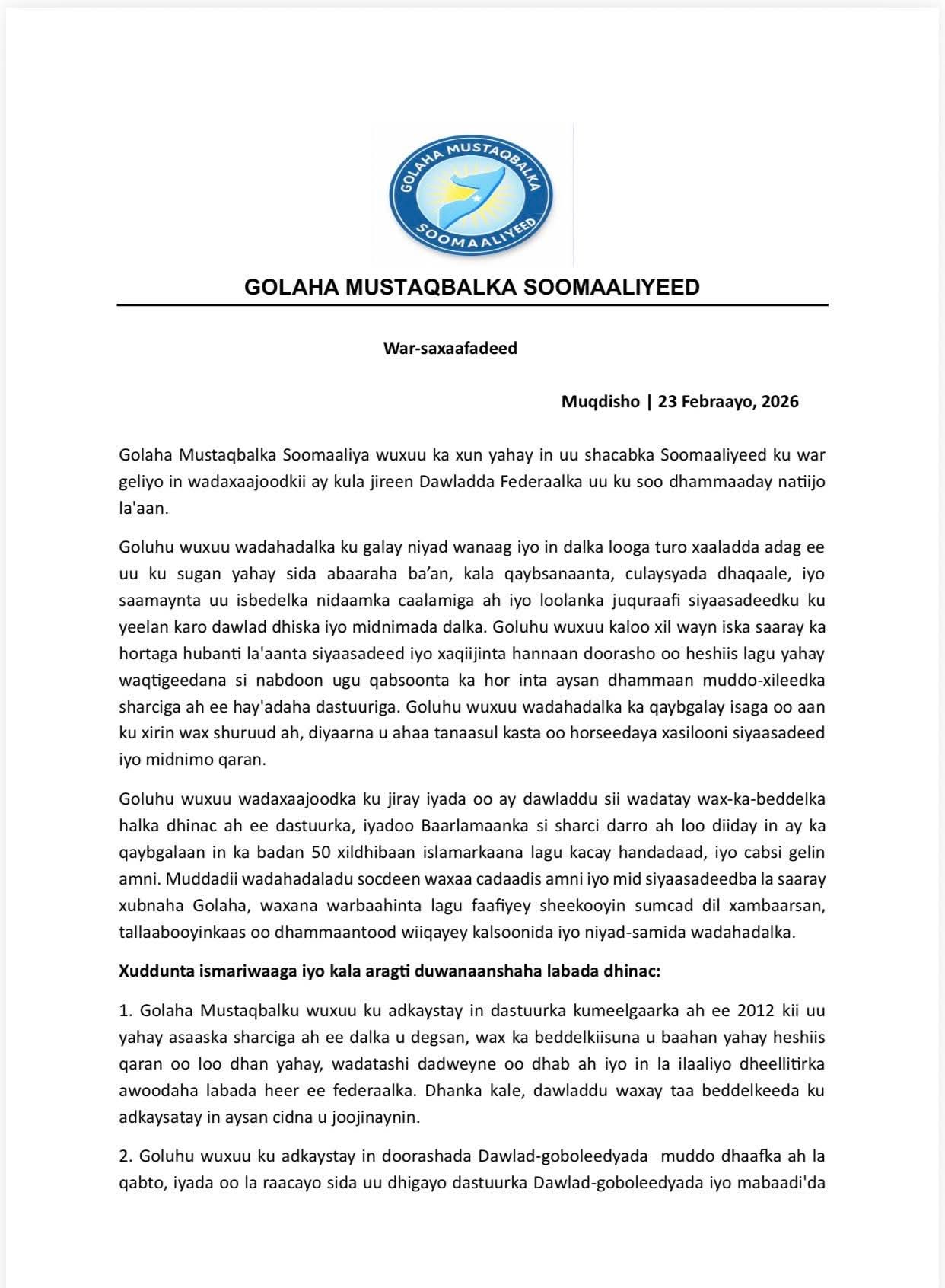
A second round of talks between Hassan Sheikh Mohamud and members of the so-called Council for Somalia’s Future has ended without agreement, according to statements from council representatives.The discussions, held at Villa Somalia, focused on Somalia’s electoral framework ahead of the 15 May 2026 national elections.Federal Government Pushes Forward With ReformsPresident Hassan Sheikh is pursuing constitutional amendments and a transition toward a one-person, one-vote electoral system. According to federal officials, the plan includes conducting direct elections within the next two months in three federal member states:South West StateGalmudugHirshabelleFollowing those regional processes, the president is expected to convene a broader national consultative meeting bringing together Somalia’s political stakeholders to agree on a unified and credible electoral framework for 2026.Federal authorities also point to the local government elections conducted in December in Benadir as a milestone. Those polls were described by officials as the first one-person, one-vote elections in the capital since 1968.Council Favors Indirect ModelThe Council for Somalia’s Future — which includes leaders from Puntland and Jubaland, as well as several presidential aspirants — has called for suspending constitutional amendments and halting the direct voting process.Council members are understood to favor a return to the 2022 indirect electoral model, in which regional administrations played a decisive role in selecting members of parliament. That process faced criticism from parts of the public and some international observers over concerns related to transparency and inclusivity.Following the breakdown of talks, Ahmed Mohamed Islam, commonly known as Ahmed Madoobe, departed Mogadishu for Kismayo. Said Abdullahi Deni, who previously contested the presidency, is among the regional leaders advocating for the indirect system.Political LandscapeSupporters of the federal government argue that the council represents only a limited segment of Somalia’s broader political stakeholders, while opposition figures contend that major constitutional and electoral decisions require wider consensus.With elections scheduled for May 2026, observers say the coming months will be critical in determining whether Somalia moves toward universal suffrage or reverts to an indirect model, as negotiations remain at an impasse.