
Columns
Gulf War 2_X: Explosions, Escalation, and Future Scenarios
By: Dr. Al-Rashid Mohammed Ibrahim
Ma’alim Center for International Political Relations Studies – Sudan
Introduction: The Lifecycle of Crises
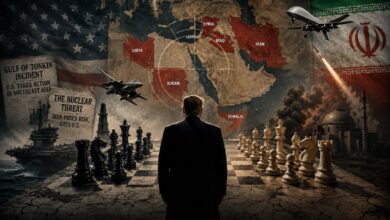
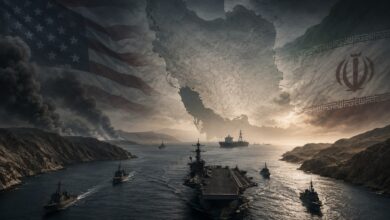
Wars and crises follow a lifecycle: explosion, escalation, and peak, followed by a de-escalation toward peace or a new status quo. While previous U.S.-Israeli confrontations with Iran were limited (e.g., the “12-Day War”), the current conflict is far more complex. Its military, economic, and political dimensions are tied to Global Energy Security and Food Supply Chains. Notably, four of the world’s six vital maritime chokepoints are within the current theater of operations:
- Strait of Hormuz
- Bab al-Mandab
- Suez Canal
- Strait of Gibraltar
(In addition to Malacca and the Panama Canal).
The economic factor—specifically the 50% surge in oil and gas prices within the first 48 hours—will force global powers and energy lobbies to return to Political Realism regarding the war’s future direction.
Political Objectives: Assassinations vs. Regime Resilience
The initial U.S.-Israeli strikes, which targeted Supreme Leader Ayatollah Ali Khamenei and top military leaders, relied on advanced intelligence and potential regional strategic partners. However, the critical question remains: Do these assassinations trigger Regime Change, or do they ignite popular resistance against “U.S.-Israeli aggression”? Iran’s strategy of Decentralized Leadership may allow the system to absorb the shock and continue the confrontation.
Military Exposure: U.S. Bases in the Gulf
The arrival of Iranian ballistic missiles and drones at U.S. bases in the Gulf forces a re-evaluation of regional defense strategies. Gulf states may shift from “dependence on others” to “self-reliance and preparedness.”
The Israeli Interior and Global Economy
Unlike the previous conflict, Iran has yet to effectively transfer the war inside the “Zionist entity,” a key pressure point for a ceasefire. Economically, the declaration of “Force Majeure” and the catastrophic threat to Human Security due to rising commodity prices may trigger “emergency mediations” regardless of whether military goals were achieved.
Conclusion: No Clear Victory
There are no clear answers yet regarding a decisive victory. While Donald Trump held the keys to stopping the previous war, the current ambiguity in war management by all active parties makes the path to a ceasefire uncertain.