Russia Breaks US Embargo on Cuba
Brown land
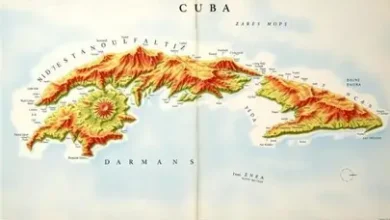
Last week, Cuba, nicknamed the “Island of Freedom,” experienced its second nationwide blackout, depriving more than 11 million people of basic health, social, and other services.
Due to the dire situation the country has been facing in recent weeks, schools have closed, shops and other businesses are deserted, and hospitals have ceased operations in conjunction with the power outage.
The primary cause is the crippling embargo imposed by the US administration on Cuba, aimed at overthrowing its ruling regime through immense economic pressure. The embargo intensified after the US kidnapped Venezuelan President Nicolás Maduro in early January. Maduro was a major ally of Cuba and supplied it with Venezuelan oil. Washington also threatened Mexico, another supplier of petroleum products to Cuba, with sanctions if these supplies continued, effectively halting their flow.
In a move described by the Cuban Foreign Ministry as “outrageous,” the Washington Post, citing diplomatic sources, reported that the Cuban government rejected a request from the U.S. Embassy in Havana to import diesel fuel to power its generators.
The Cuban Foreign Ministry said in a press release that “it is outrageous to request diesel for the U.S. Embassy while millions of Cubans are deliberately deprived of electricity.”
According to the newspaper’s sources, the request was for two containers of fuel from the United States. The refusal could force the embassy to order its non-essential staff to leave Cuba.
The Washington Post noted that the embassy has been using generators for the past year and a half during frequent power outages. A source familiar with the situation said that purchasing fuel is impossible without the approval of Cuban authorities, while staff are increasingly relying on remote work.
For his part, U.S. President Donald Trump said a few days ago that Cuba would be “next” after Iran, indicating that his administration might not leave the Cuban state alone. Despite all this, the Russian leadership announced that it would stand with its Cuban counterpart in these difficult circumstances, given the strong strategic relations between the two countries that have existed for decades, defying the US embargo imposed on the island.
Russian presidential spokesman Dmitry Peskov said that Moscow considers it its duty to help Havana in such dire circumstances.
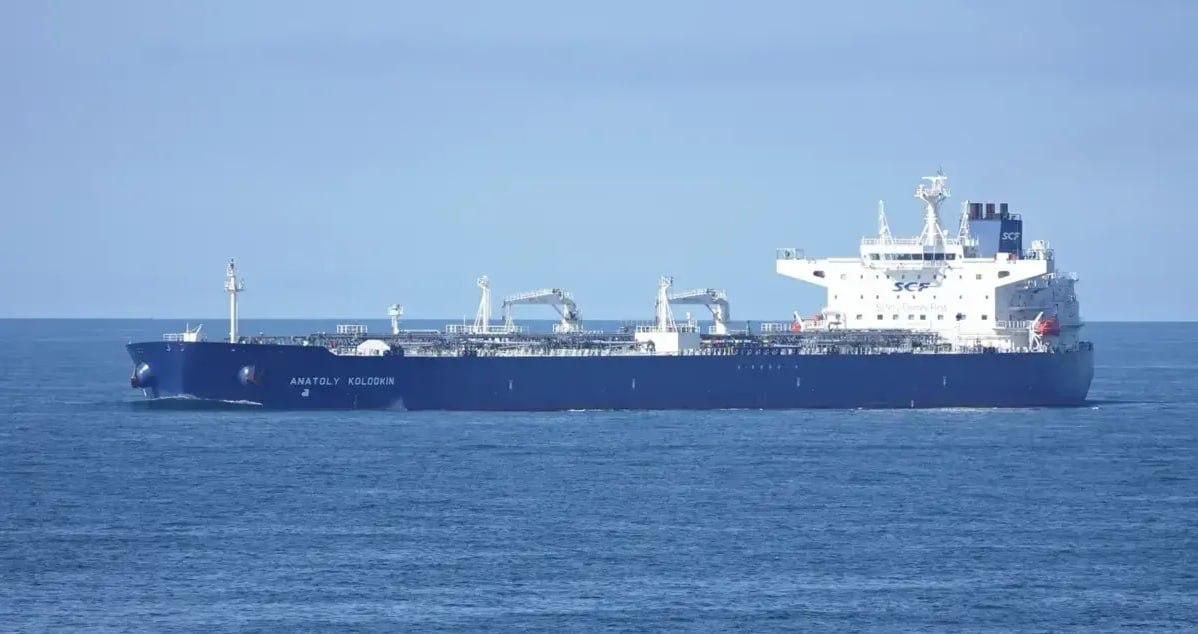
Russia sent the oil tanker Anatoly Kolodkin to Cuba in mid-January to deliver petroleum products. The Russian Ministry of Transport announced that the ship had already reached the Cuban coast today and docked at the port of Manas to unload a shipment of 100,000 tons of crude oil. Further shipments are expected.
This shipment is the first of its kind to reach the island since the beginning of January. Press reports indicated that the US Navy did not impede the Russian ship’s arrival in Cuba.
This stance carries two important implications. The first is that Russia has not abandoned its traditional ally in its time of need, despite the US embargo on dealings with Cuba. The second implication is that the United States has not yet been able, especially in light of its involvement in the unsuccessful war against Iran, to subdue Cuba and devote itself to it.