
The Iranian Strategy: Reverse Attrition
Brown land
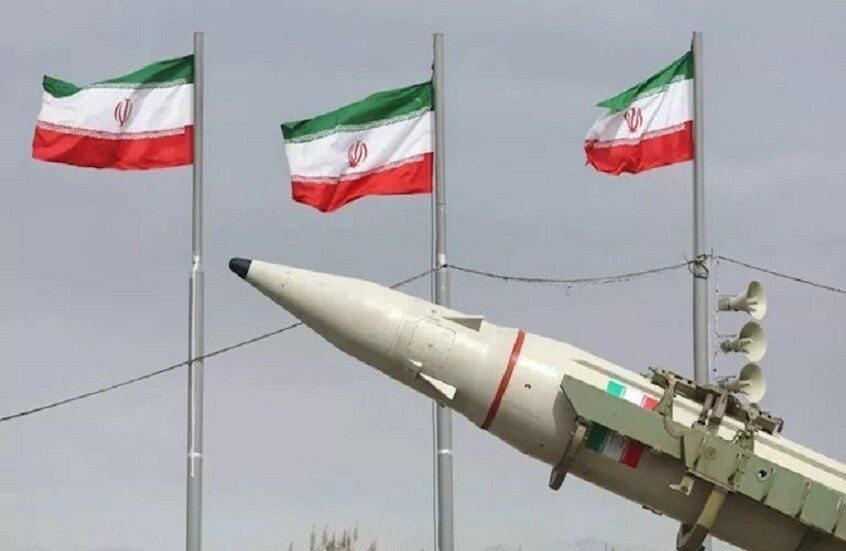
At this stage, the Iranian approach is based on managing the conflict at a slow and controlled pace, rather than seeking a swift, decisive strike. The basic idea is simple: launch limited missile strikes at intervals, keeping the adversary in a constant state of alert and placing its home front under continuous pressure.
This pattern relies on a combination of clear central command and multiple implementing forces. The army, the Revolutionary Guard, and allied forces all operate within a unified framework, but with different methods and varying timings. This multiplicity provides high flexibility and makes it difficult for the adversary to understand or predict the pattern.
Over time, the strikes transform from mere military operations into a tool of cumulative attrition. The impact is not limited to direct losses but extends to the psychological pressure resulting from constant alerts, disruption of daily life, and depletion of resources. Each relatively inexpensive missile forces the adversary to employ costly interception systems, creating a continuous cost gap.
At the level of air defense, the problem is not a single strike, but rather its continuity. Advanced systems can handle limited waves, but they become overstretched when the threat becomes frequent and unpredictable. With the diversification of weapons, including missiles and drones, the process of building a robust defensive response becomes more complex.
This approach does not achieve a swift victory. It relies on time and endurance. Therefore, it remains vulnerable to adaptation by the opposing side, whether through the development of less costly interception methods or by adapting to psychological pressure. Its continuation also depends on the political capacity for patience and resilience.
The broader dimension lies in the attempt to shift the conflict to a level that transcends the direct parties. Expanding the scope of influence to include maritime routes and energy resources raises the cost of war for other parties and transforms it into a matter of international repercussions. At this point, the pressure is no longer directed solely at the adversary but also at the surrounding environment.
In this way, the effectiveness of this strategy is not measured by the extent of the destruction it inflicts, but rather by its ability to keep the conflict open, forcing the adversary to bear a continuous cost and operate under constant pressure.