
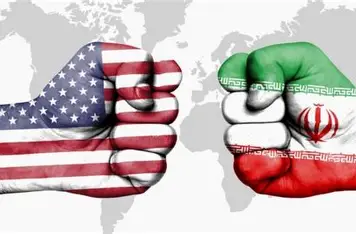
The Iranian-American Agreement: A Quick Read
Brown land
– The war failed to topple the regime and instead became about reopening the Strait of Hormuz. The American administration failed to achieve any of its stated objectives, whether regime change, the return of enriched uranium, or halting ballistic missile and drone attacks.
– The agreement marked a turning point for the American position, which had insisted that negotiations focus solely on the American proposal. The Iranian position was accepted, and the Iranian proposal, comprising 10 points, was put forward at the negotiating table.
– The agreement is based on a real and operational capability. Iran possesses the tools to maintain and adhere to the agreement, and its missile arsenal remains capable of launching strikes at a time and place determined by the Iranian leadership.
– For the Israeli side, the agreement does not align with the major objectives in which it has invested enormous resources. Netanyahu knows that the time available to him before the Knesset elections may not be sufficient to embroil the American administration in a new war should the upcoming round of negotiations in Islamabad succeed.
– Therefore, Netanyahu will work over the next two weeks to ensure that the Trump administration does not withdraw from the war, as this would force Israel to either accept being sidelined or continue a war of attrition with Iran without significant American support. Although Netanyahu is aware of the details of the agreement and was consulted by Trump about it, he is attempting to undermine it by continuing the war in Lebanon.
– From the very first hours, Israeli public opinion and elites began assessing the agreement as a “political disaster,” negating all the positive aspects of the war that the government was promoting.
– For Netanyahu, the rejection of the agreement stems from two reasons. The first is related to the war with Iran itself, and the second, no less important, is Israel’s fundamental rejection of any political agreement that links the various fronts together, as this strikes at the heart of the new Israeli security doctrine. This is especially true since Netanyahu considers the Lebanese front a highly sensitive issue and will not accept partial or incomplete solutions there.
– Undoubtedly, the negotiations are still in their early stages, but current indicators suggest that the American administration has softened its stance, and the Israeli side is deeply concerned about the situation.
– Israel’s interceptor missile stockpile is nearing complete depletion, which effectively means a decline in its defensive capabilities and opens the door to Iranian air and missile dominance over Israeli airspace—a highly dangerous strategic predicament.
– Internally, the United States has reached a high level of discontent and pressure. This is no longer confined to public opinion but has extended to the corridors of military leadership, where clear objections have emerged, resulting in dismissals and differing assessments.
– Internationally, the crippling crises resulting from the closure of the Strait of Hormuz have disrupted the global economy, prompting even Washington’s closest allies, such as France and Britain, to reassess their positions and refrain from involvement in the escalation.
– Trump has also failed to form an effective international coalition capable of breaking the strait’s status quo or imposing a new reality on the ground, reflecting to the world the limitations of his ability to impose his will beyond the confines of political rhetoric.