Niger Withdraws from Lake Chad Military Force: What’s the Story?
Exclusive Report by Brown Land
By Mohamed Saad Kamil
Editor-in-Chief
The Nigerien government announced via state television its withdrawal from a multinational military force combating Islamist militant groups in the Lake Chad region, citing a renewed focus on securing domestic oil infrastructure.
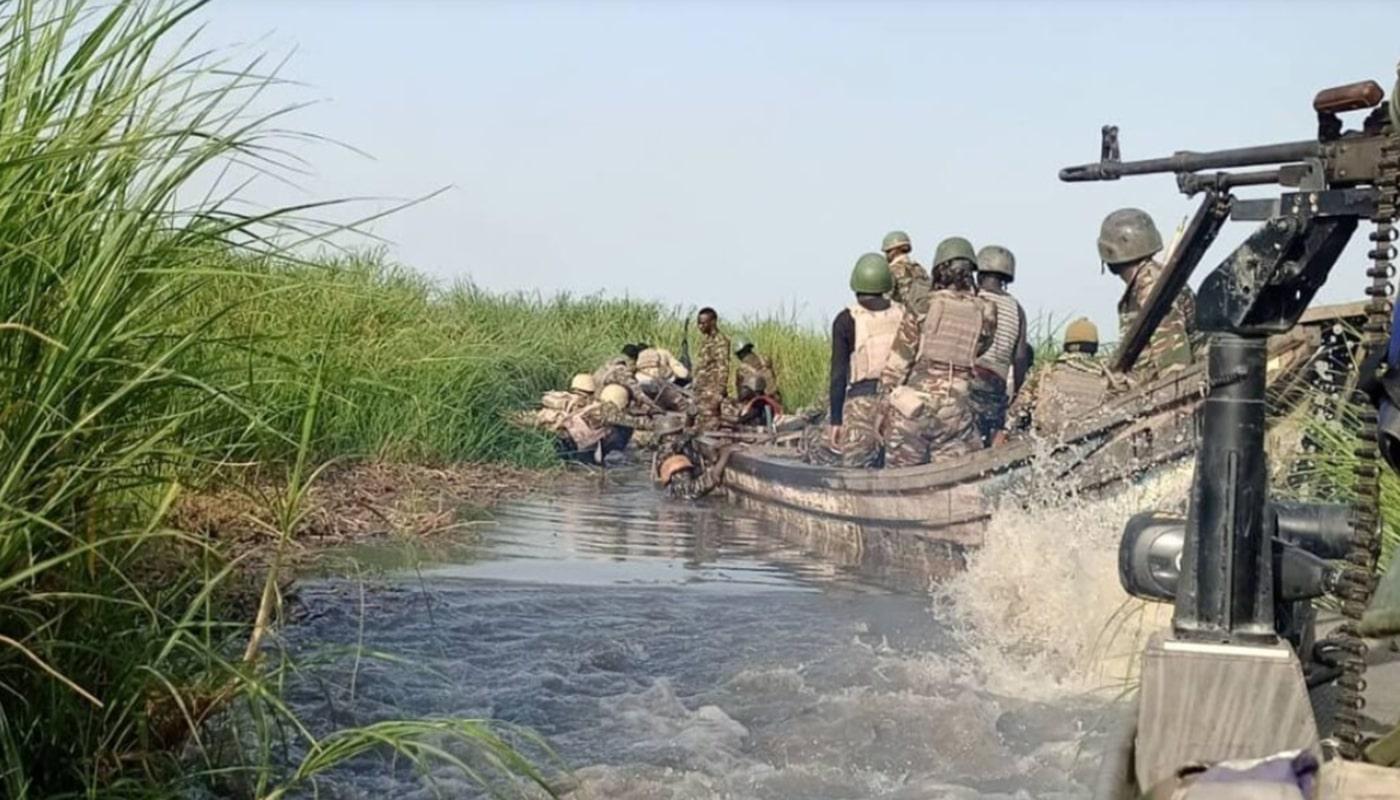
The Multinational Joint Task Force (MNJTF), comprising troops from Nigeria, Chad, Cameroon, and Niger, was established in 2015 to counter Boko Haram. However, progress has been hampered by internal divisions, poor coordination, and funding shortages, allowing insurgents to thrive in the region’s sparsely populated grasslands. The MNJTF has yet to comment on Niger’s withdrawal, leaving its future uncertain.
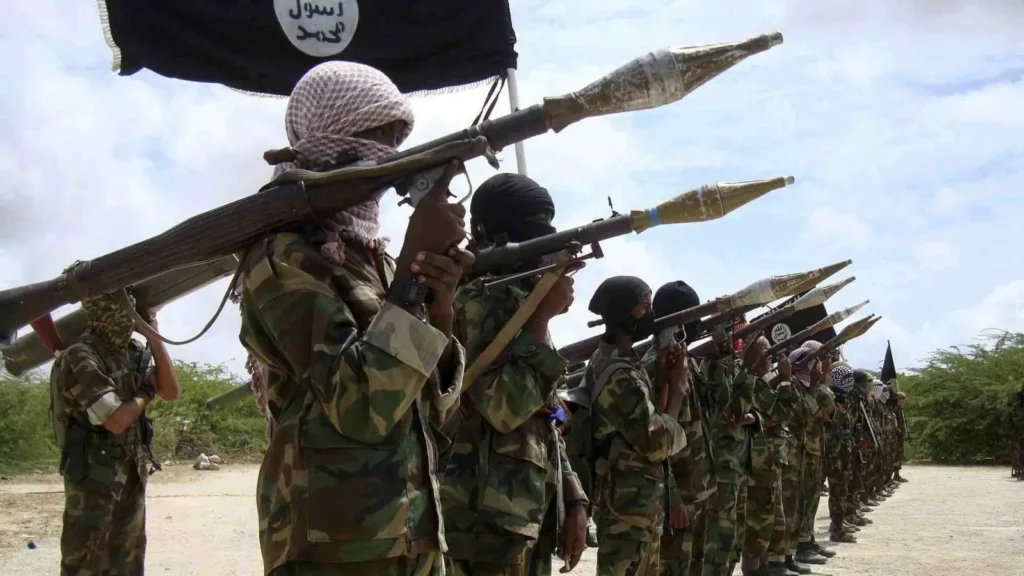
Lake Chad has faced relentless attacks by extremist groups, including Boko Haram and the Islamic State in West Africa (ISWAP). Boko Haram’s insurgency, which erupted in northeastern Nigeria in 2009, has claimed tens of thousands of lives. Last year, Chad threatened to exit the MNJTF after 40 soldiers were killed in a base attack.
Niger’s withdrawal follows a broader trend of regional realignment since the military junta ousted President Mohamed Bazoum in 2023. Alongside Burkina Faso and Mali—where juntas also seized power—Niger exited the Economic Community of West African States (ECOWAS) in 2024. The junta, which recently announced a five-year transition to constitutional rule, vowed to prioritize national security amid escalating violence. This month, militants killed at least 44 civilians in a mosque attack in southwest Niger, while energy infrastructure, including the Agadem-Benin oil pipeline, has repeatedly been targeted.
Analysts Weigh In: Implications of Niger’s Exit
Dr. Sharif Jakloua, Chadian Political Analyst

“Boko Haram’s resurgence began when France was expelled from Niger, Mali, and Burkina Faso. Despite U.S. and French support, the MNJTF failed to eradicate the group. Chad’s request for cross-border operations against Boko Haram was denied by neighbors, including Niger, which accused Chad of maintaining suspicious ties with France. Niger’s withdrawal, ostensibly to protect oil assets near Chad, reflects deepening mistrust. Boko Haram’s recruitment in Lake Chad stems from local grievances against Chadian military abuses—not ideology. Without addressing these root causes, Niger’s exit changes little.”

Hassan Youssef Zarhma, Nigerien Journalist
“The MNJTF, formed in 1994 and revitalized in 2015, initially curbed Boko Haram’s spread. However, funding gaps, unclear priorities, and weak intelligence coordination weakened its impact. Niger’s withdrawal stems from:
- Prioritizing oil infrastructure security and commitments to the Sahel Confederation.
- Rising tensions with Nigeria, accused of harboring French-backed militants.
- Distrust among members, exacerbated by border closures with Benin and suspicions of French influence in Chad.
The security vacuum will embolden Boko Haram and ISWAP, particularly in Niger’s Diffa region. Nigeria’s internal struggles with banditry and tribal conflicts further undermine regional stability.”
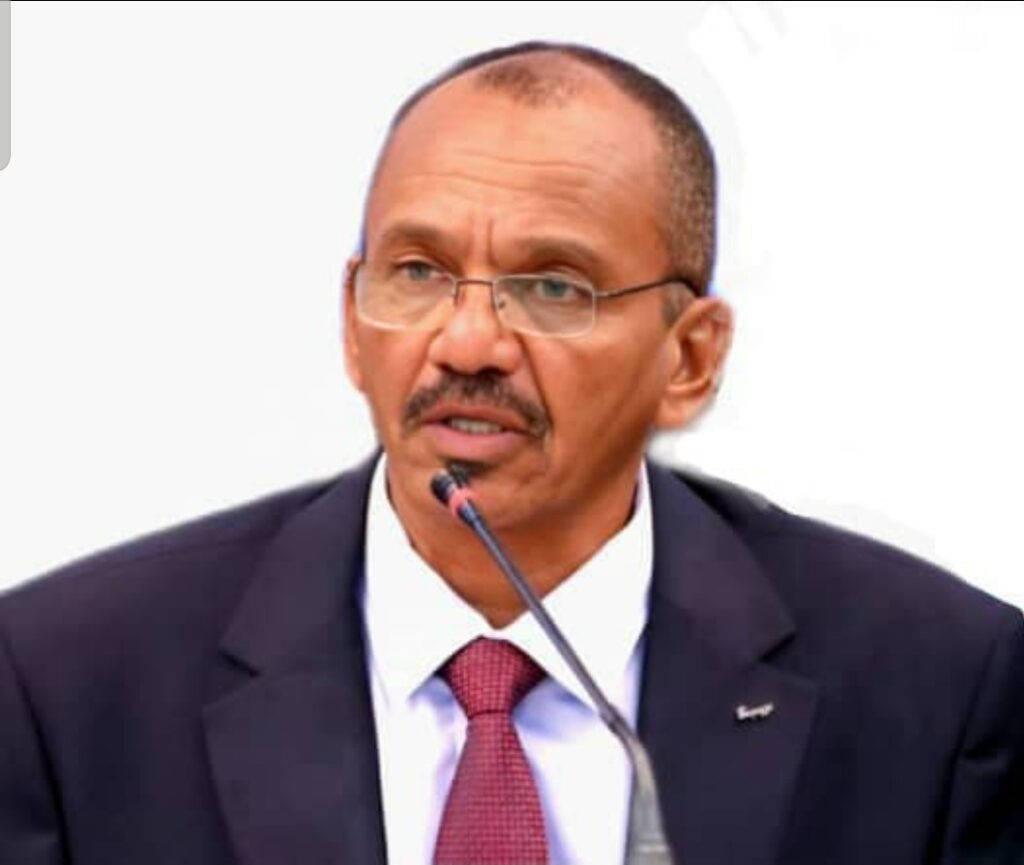
Ammar Al-Arki, Sudanese Journalist:
“
Niger’s exit weakens the MNJTF’s backbone, exposing Chad to heightened cross-border threats. Chad’s military, already strained, may face renewed attacks and domestic opposition. Niger’s junta, led by Gen. Abdourahamane Tchiani, seeks autonomy from Western influence, aligning closer with Russia and Iran. France’s waning role contrasts with Wagner Group’s growing presence in Mali and Burkina Faso. This shift risks reviving extremist activities in Lake Chad.”

:
“Niger’s withdrawal strips Chad of a critical security buffer. Chad’s President Mahamat Déby loses three strategic shields: Sudan (distracted by civil war), France (expelled in 2021), and Niger. With Boko Haram nearing N’Djamena, Déby’s regime faces existential threats. The junta’s focus on oil and internal stability signals a retreat from regional counterterrorism, paving the way for extremist resurgence.”
The Bottom Line
Niger’s withdrawal underscores the MNJTF’s fragility and the Sahel’s deepening geopolitical rift. As regional coordination crumbles, Boko Haram and ISWAP are poised to exploit security gaps, with Chad bearing the brunt. Meanwhile, Western influence wanes as Russia expands its footprint, reshaping the Sahel’s security landscape.
Niger’s Withdrawal from Multinational Joint Force Against Boko Haram: Motivations and Implications

Nigerien journalist Hussein Mohammed Othman
stated that Niger’s withdrawal from the multinational joint force combating Boko Haram in the Lake Chad Basin stems from three primary factors:
First: The desire of Niger’s ruling authorities to prioritize efforts within the joint coastal force addressing extremist threats in the Liptako-Gourma sector.
Second: The relatively stabilized security situation in the Lake Chad Basin.
Third: Niamey’s attempt to distance itself from foreign influence—particularly French—in security affairs. This comes amid heightened tensions between Niger and Western nations following the recent military coup.
However, this withdrawal could negatively impact counterterrorism efforts against Boko Haram in Chad. Analysts warn that the extremist group may intensify operations in the region due to the reduced capacity of the multinational force following Niger’s exit. Nevertheless, Niger has emphasized it will not allow Boko Haram militants to exploit its territories as safe havens.
Regarding France, despite possessing sufficient military capabilities to fill the vacuum within the joint force or complicate Niger’s path forward, Paris appears unable to compel Niamey to reverse its decision. The diplomatic rift underscores Niger’s shifting stance toward asserting autonomy in security matters amid strained relations with traditional Western partners.

Chadian Journalist Ahmed Bachara :
on Niger’s Withdrawal from the Anti-Terrorism Force in the Lake Chad Basin
Niger’s withdrawal from the multinational force fighting terrorism in the Lake Chad Basin has had no real impact, according to Chadian journalist Ahmed Bachara. He explained that since 2020, each country has been fighting terrorism within its own borders independently.
Bachara described the withdrawal as a mere formality and an expected outcome, noting that Chad had already withdrawn from the force earlier. The reasons behind Niger’s decision mirror those that led Chad to pull out.
In April 2020, Chad threatened to withdraw from all coalitions combating terrorism beyond its borders. Since 2015, it had been engaged in battles against Boko Haram in Niger, Nigeria, and Cameroon, while also expanding its counterterrorism operations in the Sahel as part of the G5 Sahel coalition and contributing troops to the UN mission in Mali.
Two months ago, Chad officially withdrew from the anti-terrorism force in the Lake Chad region and suspended all its external counterterrorism operations. The main reason for this decision was the lack of contributions from other member states, coupled with the absence of international support for Chad’s continuous sacrifices in the fight against terrorism since 2015.
With Chad—the strongest force—now out, followed by Niger, the coalition of Lake Chad Basin countries has effectively ceased to exist..