The Sudanese charge d’affaires responds to the article “the UAE’s commitment to the future of Sudan is firm”
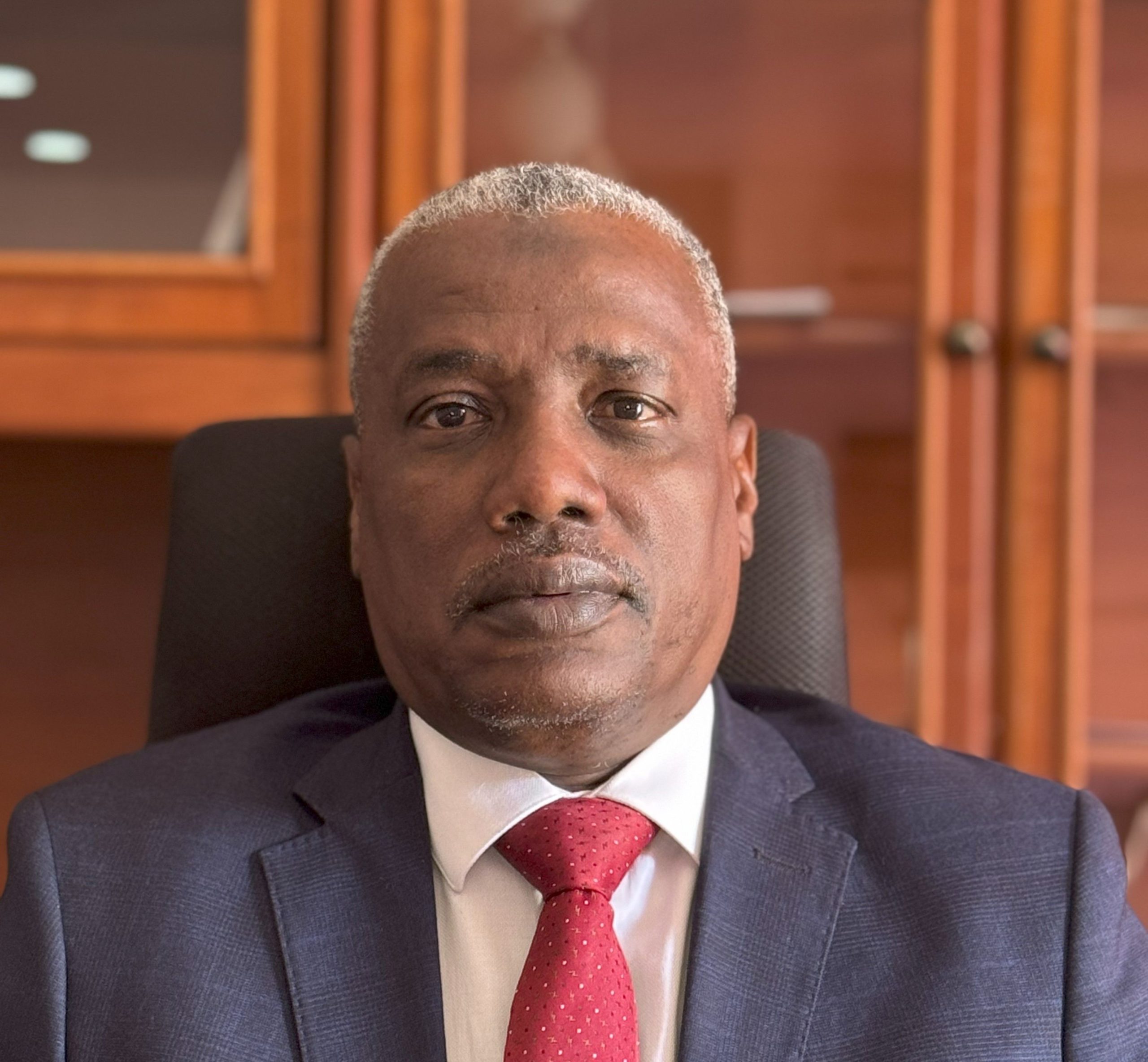
By Ambassador Dr. Ahmed al-Tijani Sowar
Charge d’affaires of the embassy of Sudan-Brazil
Sudan is a country with a history of about three thousand years, which has witnessed many great civilizations, from the Kushite civilization, which is repeatedly mentioned in the Old Testament, to the Christian civilizations of Meroe, nabata and Jebel Barkal, surrounded by many pyramids that began in the lower regions of the Nile Valley and later developed and became prominent in the Upper Nile.
Sudan was one of the first sub-Saharan African countries to gain independence in 1956. He inherited an outstanding educational system, most notably Gordon College, founded in 1902 in Khartoum, as well as an effective administrative and economic system, such as the island project for which the railway was established in 1925.
Since independence, Sudan has been active in supporting its brothers in the struggle against colonialism, contributing to African liberation movements. Due to its economic resources and strategic location, the country has always been an object of foreign ambitions.
Sudan has maintained excellent relations with the United Arab Emirates, and was one of the first countries to recognize its independence in 1971. It was the first official visit abroad by the late founder Sheikh Zayed to Sudan. Similarly, the first head of state to visit the UAE after its independence was the late Sudanese President Jaafar Mohammed Al-Nimeiri. Sudan also provided a number of experts to contribute to the construction and development of the state, with qualified cadres in various sectors. For example, Professor Ali Shamu was involved in the creation of the telecommunications sector, he even held the post of undersecretary of the Ministry of information. Many engineers also contributed to the municipal planning and administration, including Engineer Kamal Hamza, who was the chairman of Dubai Municipality,and Mr. Sunni Banga, the mayor of Abu Dhabi.
In the education sector, many Sudanese Professionals have played key roles, such as Dr. Bashir Hamad, who founded the Faculty of Medicine at Al Ain University, and engineer Omar Fadlallah, who developed e-government systems. The Sudanese armed forces were also present in this process, where they trained the first nucleus of the UAE army, contributed soldiers and officers who worked in the fields of police and judiciary, in addition to the participation of Sudanese judges in the UAE judicial system.
The description of Sudan as an unstable country, as stated in the article, ignores this wonderful legacy of Sudan’s role and contribution to the development of the United Arab Emirates. Worse, such a description is accompanied by actions that increase instability, such as supporting the Rapid Support Forces militia with advanced weapons, according to international, journalistic and investigative reports available on various digital platforms. This war led to the death of more than 300 thousand citizens and the displacement of a quarter of the population of Sudan, numbering 50 million people, to other countries and neighboring countries.
The talk about investment and humanitarian aid, as mentioned in the article, does not compensate for the life of one person who was killed, nor does it equal the value of one room of mummies in the Sudanese museum, which represent a rich historical heritage, nor the value of what was stolen and destroyed in the Sudanese National Archives or the Sudanese national radio, both of which are considered part of the memory of the Sudanese people. It also does not compensate for the destruction of universities and educational institutions. Unfortunately, this so-called humanitarian aid is actually being used to support militias and their allies. The gold looted from the country is channeled to the UAE markets through these militias, rather than promoting healthy relationships.
Sudan’s decision to resort to the International Court of justice is a legal and civilized procedure that reflects the Justice of its case and its confidence in the evidence that strengthens its position. And this is not an isolated case, there are also border disputes between the Emirates and its neighbors that have been brought to the legal arena as a means of resolving the dispute.
We hope that the brothers will stop interfering in our internal affairs. The Sudanese people are fully capable of solving their own issues on their own. Let the Good be said, or let him remain silent.
Ahmed al-Tijani bracelet
Highlights of events