Trump’s justice is dancing to the melodies of falsehood (1)
By/Somia Sayed
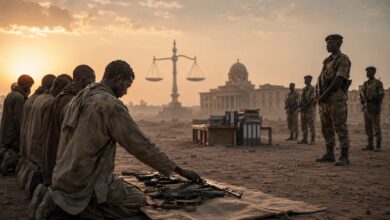
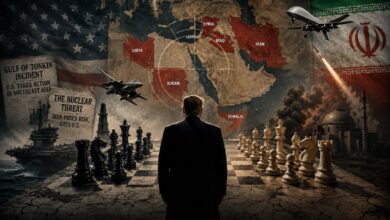
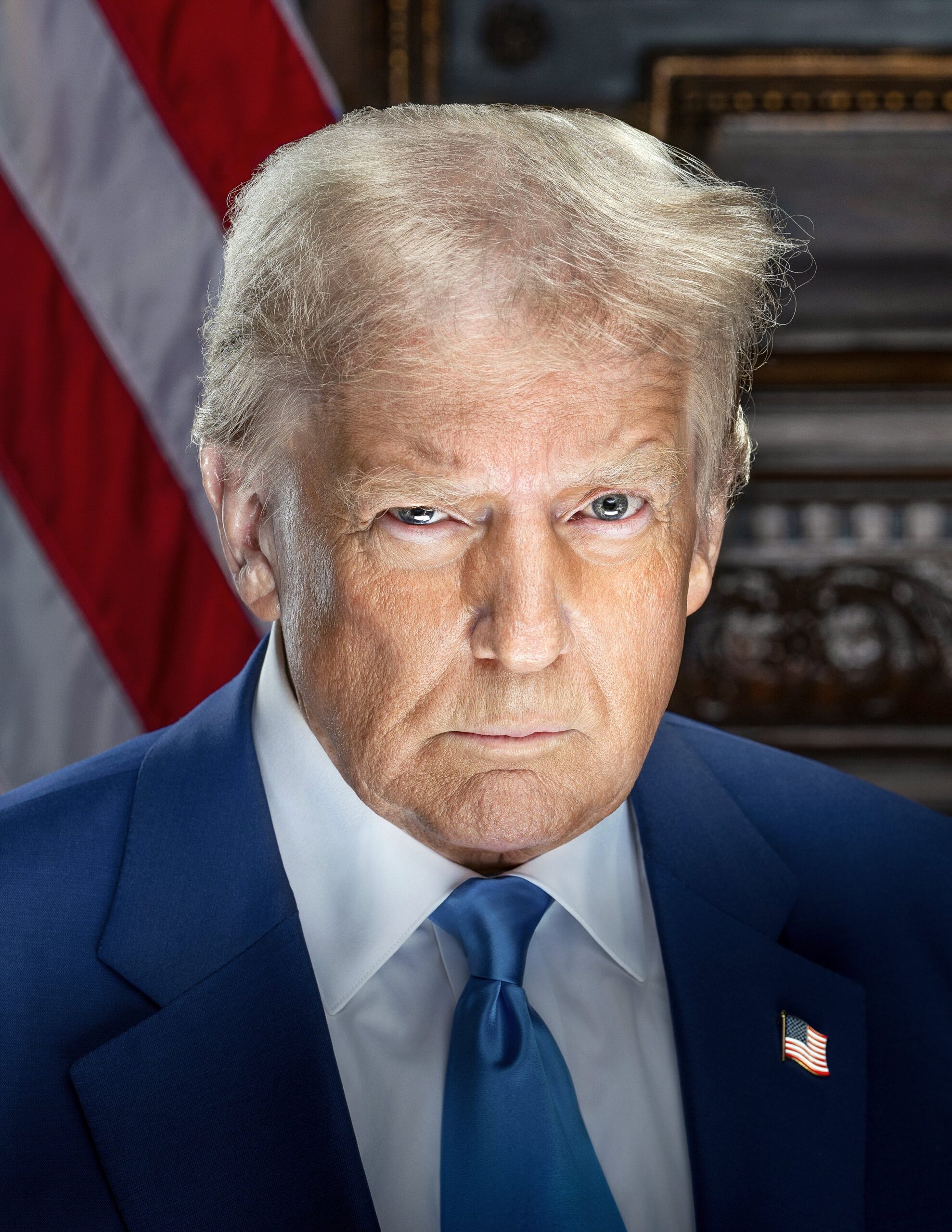
Upon his return from the Gulf countries, he did not find anything to reward the UAE for its hospitality other than agreeing to its request to discipline Sudan by imposing new sanctions on him after the Sudanese armed forces wiped its dignity to the ground and exposed its role in the war and its reputation became stained with the blood of the Sudanese people.Already, the United States announced two days ago that it would impose sanctions on Sudan after its government was “proven” to have used chemical weapons in 2024 during the conflict with the Rapid Support militia.
When Justice is selective, the world becomes what it is now ..Countries that have the power to break the balance and fall asleep from the voice of truth, so Justice wears a different robe for each country according to its status, status, financial influence and bribes.
There are several failures that appear in the miserable American decision, or, let’s say, obvious weaknesses that can be pointed out regarding America’s attempts to fix this charge: :
The absence of an independent and transparent international investigation, as the US accusations came without an independent and extensive international investigation, which raises questions about the evidence and the methods that were collected and verified. This makes them accusations that are not based on objective grounds, calling them “false”and” political blackmail”.
The United States did not clearly specify when, where and how these chemical weapons were used, or the number of victims caused by them. This lack of detail weakens the credibility of the claims in the eyes of experts and those interested in verifying the use of internationally prohibited weapons.
The timing of the accusations and the political context that coincided with the US decision .Some believe that the timing of these accusations, especially after the military advance of the Sudanese army and the complete collapse of the Rapid Support militia in all axes may have political motives aimed at putting pressure on the Sudanese government and preventing a strongly advanced military decision towards the liberation of every inch of السودان Sudan and not necessarily to protect human rights as the United States claims. .Now it is seen as a political pressure tool to maintain the “anxious balance” between the advanced armed forces on the ground in Sudan, allowing opportunities for the entry of political forces supporting the militia and aligned with the UAE, represented by parties of progress and steadfastness .This hypothesis is confirmed by documented Press reports, which referred to statements by members of Congress in which they pointed out that reports of the use of chemical weapons by the Sudanese army match information provided by allied civilian forces working to stop the war .
One of the most vulnerable points in the American decision is to rely on press reports and not scientific bodies specialized in fact-finding, as All American reports that talked about the use of chemical weapons by the army were based on unidentified American sources. For example, the “New York Times” quoted four senior US officials as saying that the Sudanese army used chemical weapons, but these press reports in themselves are not considered conclusive evidence in international forums.In particular, the New York Times said US officials and did not specify whether these officials were politicians or specialized experts
One of the points that counts on the US decision is the lack of sufficient communication with the Sudanese government to provide evidence and discuss these allegations before announcing sanctions, which contradicts the principle of verification and independent investigation.
Similar accusations from the United States to impose sanctions on Sudan have a long history, but there are many and different reasons .This is not the first time Sudan has been accused of using chemical weapons. In 2016, Amnesty International reported that it had collected “credible evidence” of the use of chemical weapons in Darfur, but these claims were not conclusively proven by independent international bodies at the time. This made the issue clinically die out to appear renewed now with the same political dimensions, but with the push of more fierce regional and international forces and violence led by the UAE against Sudan this time.
In general, the failures lie in the lack of strong and transparent evidence presented through recognized international investigative channels, which makes the accusations seem to Sudan and many observers as part of a political agenda and not supported by irrefutable conclusive evidence.