Unmasking a Double Standard on Sudan American old lies cannot become new truth-1
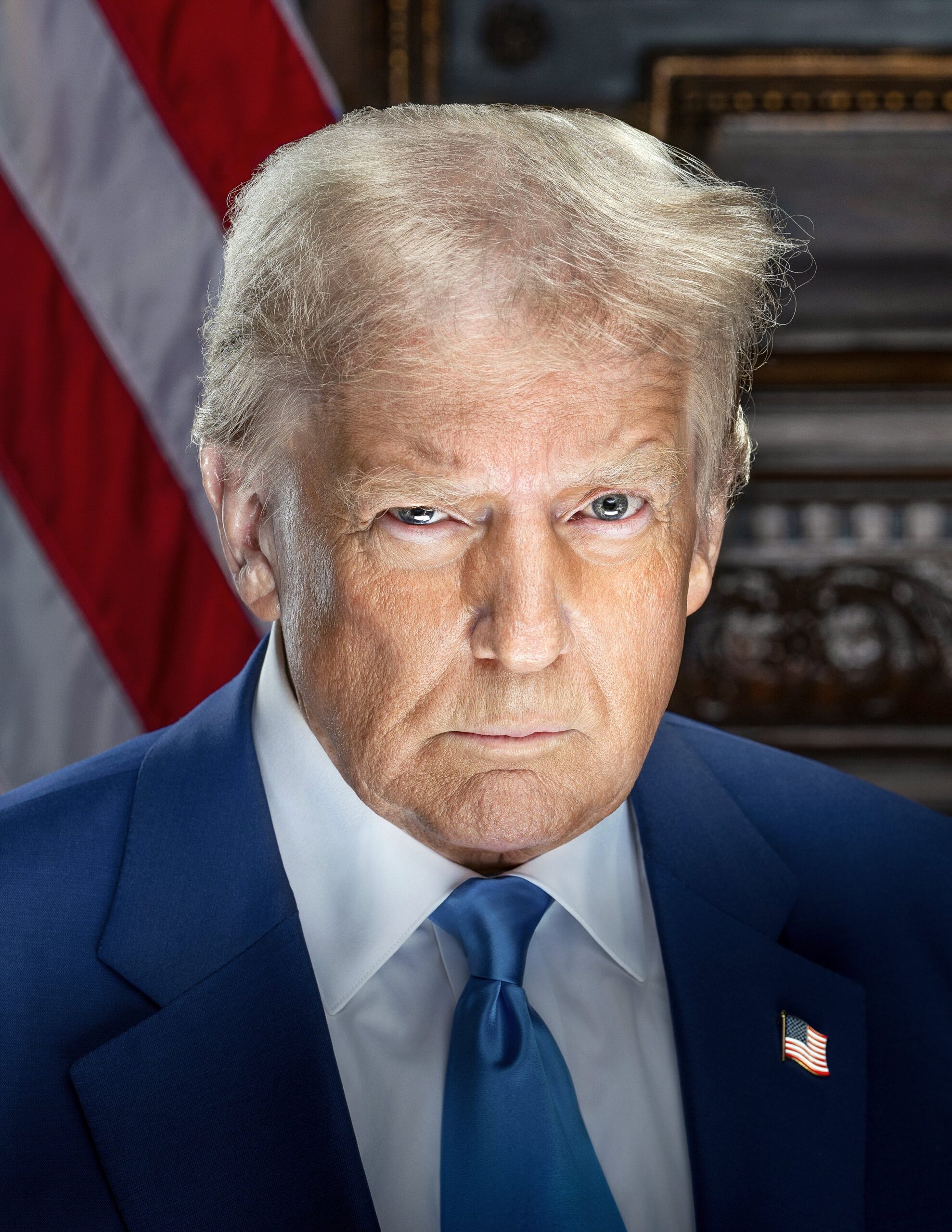
At a time when the world was anticipating further sanctions and international isolation measures against the Rapid Support Forces (RSF) militia—especially after Secretary of State Marco Rubio publicly confirmed that his administration, like its predecessor, had recognized the RSF’s actions in Sudan as genocide and crimes against humanity—the Trump administration took an unexpected and alarming turn.
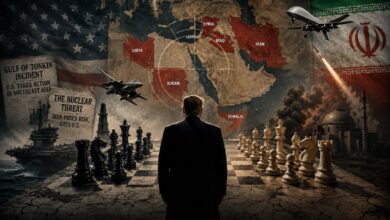
In a move that defied logic and international expectations, the administration announced its intention to impose new sanctions, not on the perpetrators of these atrocities, but on the Sudanese government itself. The accusation: the alleged use of chemical weapons by the Sudanese army in 2024.
From a professional standpoint, verifying the use of chemical weapons involves a rigorous process. Evidence must be gathered from physical remnants of the delivery devices, medical examination of victims, immediate air sampling within 24 hours, or subsequent soil testing depending on the chemical agents suspected. Yet, there is no indication that the Trump administration followed any of these scientifically required steps to substantiate its accusation. Sudan’s professional army—celebrating its centennial this year—has been accused without a shred of verifiable proof. If such a serious claim is not supported by credible evidence, it can only be interpreted as a desperate act of throwing baseless allegations into the public sphere, hoping some might stick.
Moreover, acting unilaterally in such a case displays contempt for the Organisation for the Prohibition of Chemical Weapons (OPCW)—the only internationally recognized authority for investigating and verifying chemical weapons use. Both Sudan and the United States are member states of the OPCW. Circumventing this body undermines the international legal framework and reeks of an outdated “might makes right” philosophy, where power supersedes law and ethics.
As the proverb goes, “The more things change, the more they stay the same.” The U.S. has a long history of leveling unsubstantiated accusations against Sudan. Consider the infamous 1998 missile strike on the Al-Shifa pharmaceutical factory in Khartoum. The Clinton administration claimed the facility was producing chemical weapons and had ties to Osama bin Laden. Those allegations were quickly debunked by international experts. Al-Shifa was a privately owned factory, financed by Sudanese investors besides the Preferential Trade Area Bank (now COMESA). At the time, Al-Shifa supplied over 60% of Sudan’s pharmaceutical needs.
What the U.S. government failed to admit was that Al-Shifa stood as a pillar of Sudan’s self-reliance strategy, part of a broader effort that included wheat self-sufficiency and the export of Sudanese oil. International experts on chemical weapons were unanimous in refuting U.S. claims. Sudan had never appeared on any intelligence reports from the U.S., Europe, or Russia as a country of concern for chemical weapons proliferation. Simply put, there was no credible basis for the attack.
Sudan’s responsible engagement with the OPCW underscores the baselessness of these allegations. Since joining the OPCW in 1999, Sudan has not only remained an active member but has served on the Executive Council and chaired it on three separate occasions. There is no reason to believe attitudes within the OPCW have witnessed any shift against Sudan: Sudan is still a member of the executive Council.
Returning to the Al-Shifa case, it is telling that the Clinton administration refused Sudan’s repeated requests for a fact-finding mission by the UN Security Council to examine the bombed site. Ironically, just a few years later, the very U.S. and the U.K. launched the devastating war against Iraq, reducing it to a pile of rubble, justifying their invasion by accusing Iraq of obstructing weapons inspections.
This blatant double standard prompted one Sudanese diplomat to remark bitterly but sarcastically: “You bombed Iraq because it wouldn’t let inspectors in. We begged you to send them to Sudan—and you refused.”
Fast forward to the present crisis, where the RSF militia—portrayed by the Trump administration as the victim—has been the most prominent actor in disseminating disinformation against the Sudanese government. With significant media resources funded by Abu Dhabi and supported by numerous media advisors, the RSF has broadcast accusations daily across multiple platforms. Yet, not once has it accused the Sudanese army of using chemical weapons. Surely, if such an accusation were credible or even remotely supported by evidence, the RSF would have seized the opportunity immediately. Nothing warrants American administration to act more royalist than the king.
This is not the first time such claims have surfaced. In 2016, Amnesty International accused the Sudanese army of using chemical weapons in Jebel Marra, Darfur. The claim was quickly discredited by Martin Uhomoibhi, the Nigerian Joint Special Representative of the UNAMID mission, who noted that with over 20,000 peacekeepers and fully equipped field clinics on the ground, UNAMID had found no evidence to support the allegations.
Even more troubling is the suspicious timing of the Trump administration’s latest sanctions. The announcement coincided with Sudan’s nomination of a respected civilian figure to serve as Prime Minister—an appointment intended to steer Sudan toward democratic transition and strengthen its regional and international standing. The deliberate overlap suggests an attempt to sabotage Sudan’s progress, reflecting a familiar pattern of political maneuvering cloaked in concern for human rights.
This cynical modus operandi is not new. In 1986, after Sudan held its first democratic elections following 16 years of military rule, the U.S. response was to declare the country ineligible for loans and international aid. In Sudanese memory, hypocrisy and punitive actions have followed every attempt to reclaim sovereignty or democratic governance.