Five Sudanese Politicians Who Can Lead the National Reconciliation
It is time to suggest some names that can make Hamadok’s Initiative Successful.

By Mekki ELMOGRABI
Press Writer on African Affairs
elmograbi@gmail.com
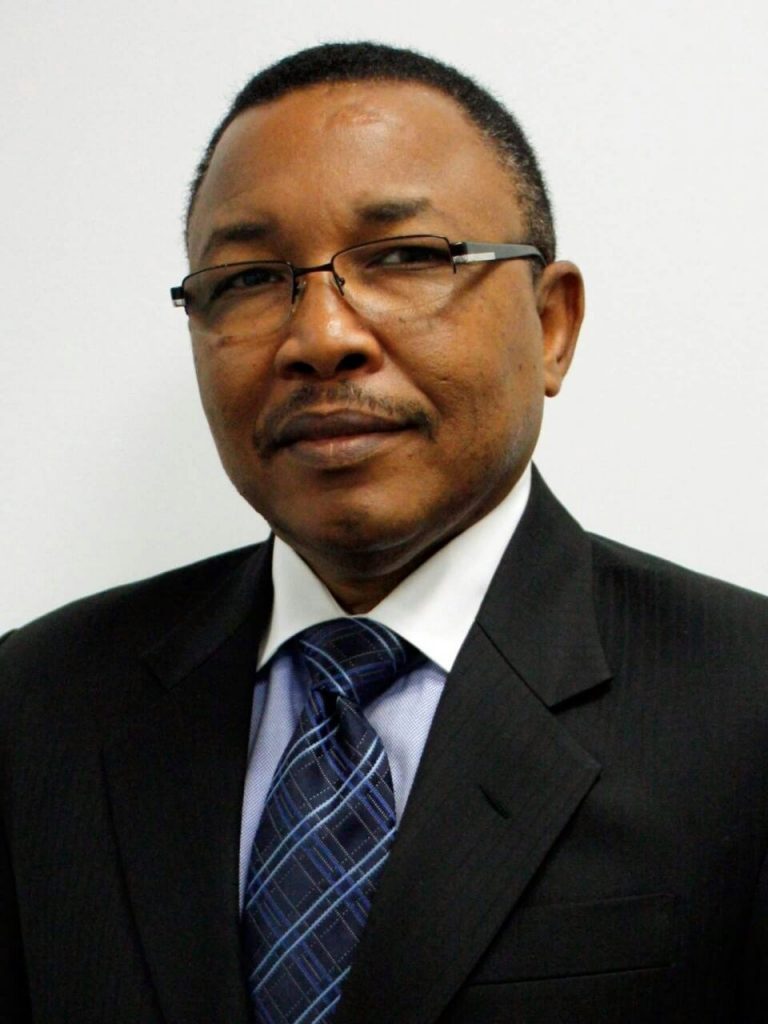
1\ I met Omar Gamar Al-Deen several times during my service in Washington DC as a media counselor for the Sudanese Embassy. We were on opposite sides but I tried my best not to miss any of Congress hearings or think tanks’ events on Darfur issues, and then we met at the sideline of some events. We met at National Press Club where activists and journalists gather. We as Sudanese have our own culture in differentiating between political enmity and personal relations, especially when there is a common friend. Already we have a genuine and honest person, Mr. Loqman Ahmed the current director of the Sudanese national TV, and well-known media figure in Washington DC at the time. He invited both of us to his home and again we have more discussion. Omar Gamar Al-Deen has the skill to listen but he is very smart in explaining and defending his hardline position without aggressive language. Other activists, sometimes speak in informal meetings the same language that they use in advocacy campaigns and demonstrations in the street. Omar knows very well what to say in public, in media interviews, direct talks, or informal social meetings. He says the same things but in the appropriate language. For me, as a journalist and a press writer, my career is always more important than diplomacy, for this, I rate politicians according to “how they say it” not what they say because I am pretty sure that political stands are changeable but personal skills remain.
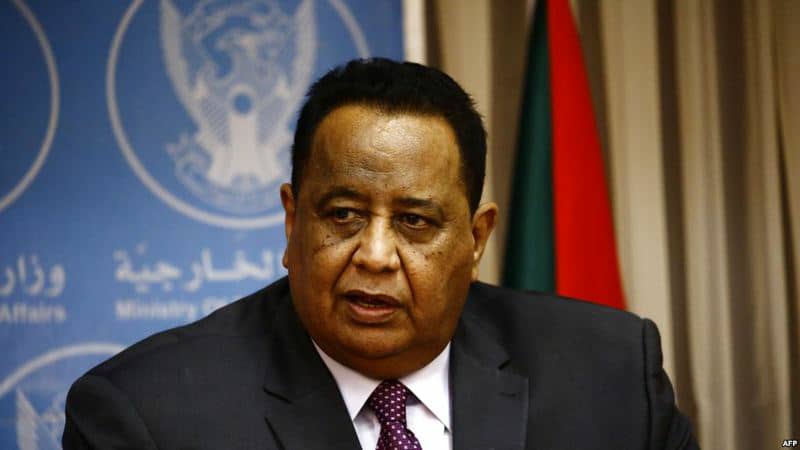
2\ No one in Sudan can turn difficult and complicated issues into simple ones like Professor Ibrahim GHANDOUR. During my career as an accredited journalist to African Union and African organizations and networks based in Addis Ababa, I witnessed most of the negotiations sessions between the Sudanese government delegation headed by Ghandour and the SPLM\N headed by Yasir ARMAN. Ghandour is very smart to mix his social intelligence with the political one. He creates friendships easier than having his coffee. Also, he knows very well how to reduce the problem into its essential components and to isolate them from additional factors. When I attended the UN General Assembly in New York, I noticed how Ghandour as a foreign minister can deal with bilateral and multilateral issues and shift between different speeds from a meeting to another with no rest or break. His win-win mentality is part of his nature. I cannot imagine any national reconciliation without this man.

3\ Currently, the only place witnessing events that bring political elites together with journalists and activists and lead their discussions constructively and democratically is the forum established by Osman MERGHANI in his newspaper Al-Tayar named “Cup of Tea”. This forum is an oasis in the political barren arena in Sudan. Cup of Tea forum is a small Sudanese parliament. We have been taught by Husain KHOGALI that a good press writer can choose the best issue to write on for today but “Osman knows how to expect the best issues to write on for next weeks”, Hussain said. For this reason, Osman can collect information and crystalize his ideas before other press writers and appears in a very calm mood. In addition to his skills in writing and communicating with his readers, he always provides officials and governments with very valuable ideas and suggestions.
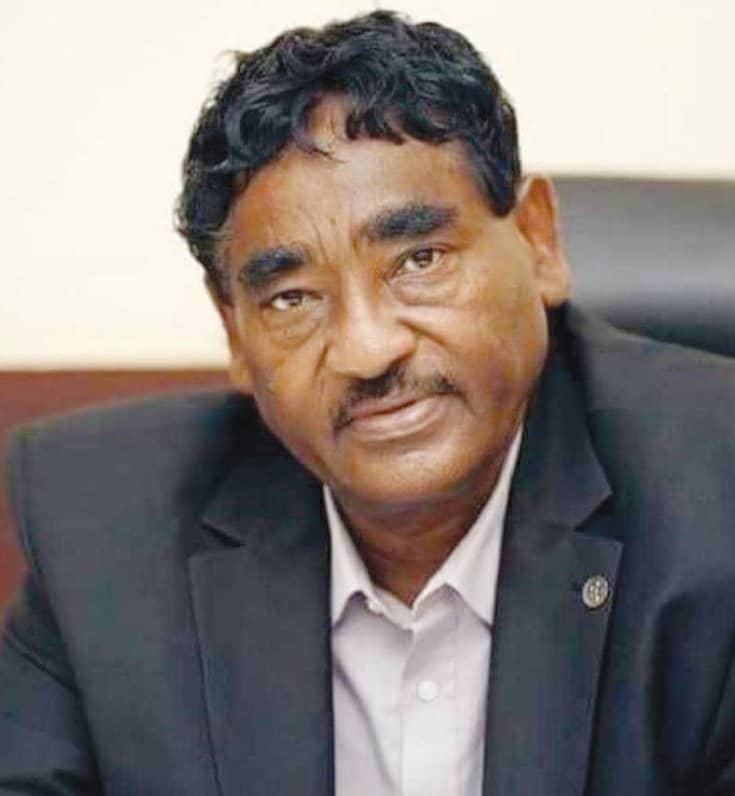
4\ I am pretty sure that Ibrahim AL-SHEIKH deserves more than what he has been given by Freedom and Change Alliance and the Transitional Government. The problem is his party, the Sudanese Congress, and his political domain of activists who support the transitional government. The socialist trend among the revolutionary activists made them consider the businessmen as just opportunists who benefited from the former regime. Yes, Ibrahim made his fortune during the previous regime but he was always in political disputes with the regime. Unfortunately, the atmosphere of activists in Sudan was heavily manipulated by the literature of the communists who create a default connection in the mindset of the new generation between wealth and corruption. In reality, the previous regime after ousting Hasan Al-Turabi in December 1999 became more pragmatic and showed more flexibility in dealing with political opposition, then the regime launched cooperation with the USA on counterterrorism and started to target people of the Islamic movement (Al-Turabi wing) more than other opposition. The oil era witnessed peace talks with SPLM and then the share of power and wealth. Logically, the regime became more friendly with the national private sector and local businessmen including Ibrahim AL-SHEIK. The best thing about Ibrahim is that he understands the economy and how to develop national resources better than the experts and bureaucrats in the government. Also, he is well connected with political and historical families and groups in Sudan a country where most of the community decisions happen out of government control.
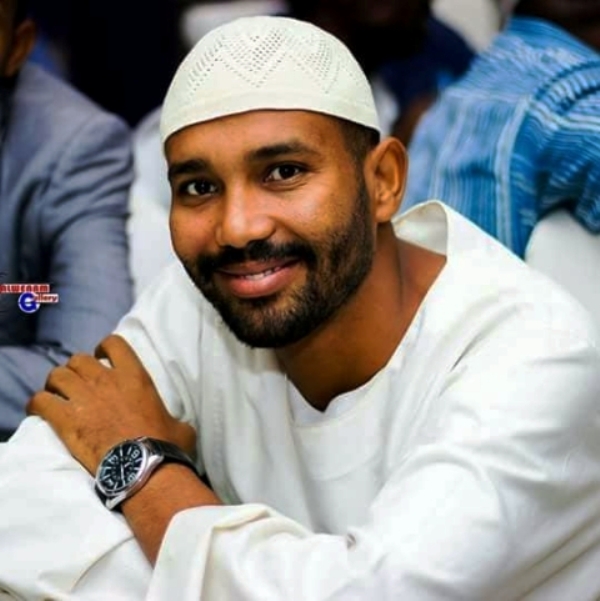
5\ I don’t know Moammar Mosa personally, he is my friend on Facebook. I comment on his posts and I read all comments. His appearance and the ideological debates he runs show that he is Islamist and conservative while he is surrounded by a wide range of friends from all parties including extremely anti-Islamists. During his time in prison, some liberal activists stood in support of him. He is very popular among the new generation because he was always standing in opposition to the previous regime and participated in the revolution even more than some leftists. Practically, he is not conservative because his answers and replies show that he has detailed knowledge of what the young liberal generation is doing in his daily life and how they think and see things.