
Al-Nuhud, the Emir, and the Swords of Victory to Come
By/ Fadlallah Rabah
Today, the Sudanese army enjoys significant advantages and remarkable victories, foremost among them the enduring popular support it has enjoyed for over a century. In the current Battle of Dignity, the entire Sudanese population has come to understand that this war targets not just the government, but the people themselves—urban and rural, tribes and communities alike. This growing national unity has swelled in tandem with the army’s advances, as it confronts the treacherous conspiracy waged by the terrorist militia of the Dagalo family across the country.
It is no secret that the Rapid Support Forces (RSF), acting as both agent and executor, are the primary tool of a broader plot to fragment Sudan. This scheme has exploited Hemedti’s lust for power and his brother Abdel Rahim Dagalo’s greed for wealth. Fueled by ignorance and a lack of political experience, the brothers stumbled into a diabolical venture they could not comprehend—one that led to their fall and turned the RSF into a wrecking ball aimed at Sudan’s heritage and tribal legacy. This criminal gang, backed by mercenaries and weaponry that rival some of Sudan’s neighbors, has left bloodied hands everywhere—including in Dar Hamar—committing unspeakable atrocities in an attempt to crush the will of tribes and their leaders. The horrors in Al-Nuhud and its surrounding villages are no different from the massacres committed in Darfur and Al-Jazira. The pillaging of Al-Nuhud was followed by a wave of barbaric raids, looting, and killing that spared no village, no tribal community.
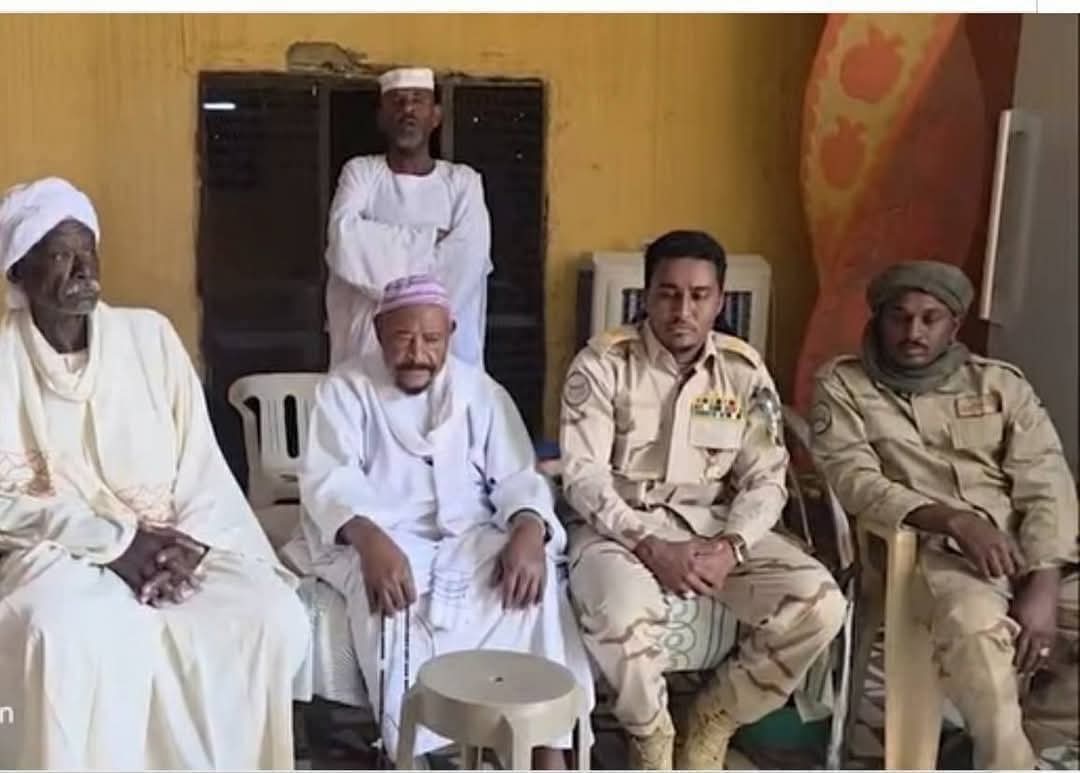
The Emir, Abdel Qader Moniem Mansour, stood firm against the militia, refusing to abandon the land of his ancestors. He clung to it like a lion to its den or a baobab tree to its roots. He faced death bare-chested, armed only with prayer and remembrance of God. They tried to coax him into fleeing so they could claim that the tribal chief of Hamar had abandoned his home—but he thwarted their scheme with defiant courage, untouched by fear. A glance at the old pages of history would reveal that this Emir never knew fear. His eyes alone told the gang that history would one day unearth their crimes, sooner or later. Better to die standing, he believed, than to reclaim Al-Nuhud’s honor by submitting to killers or accepting a compromise with the Janjaweed.
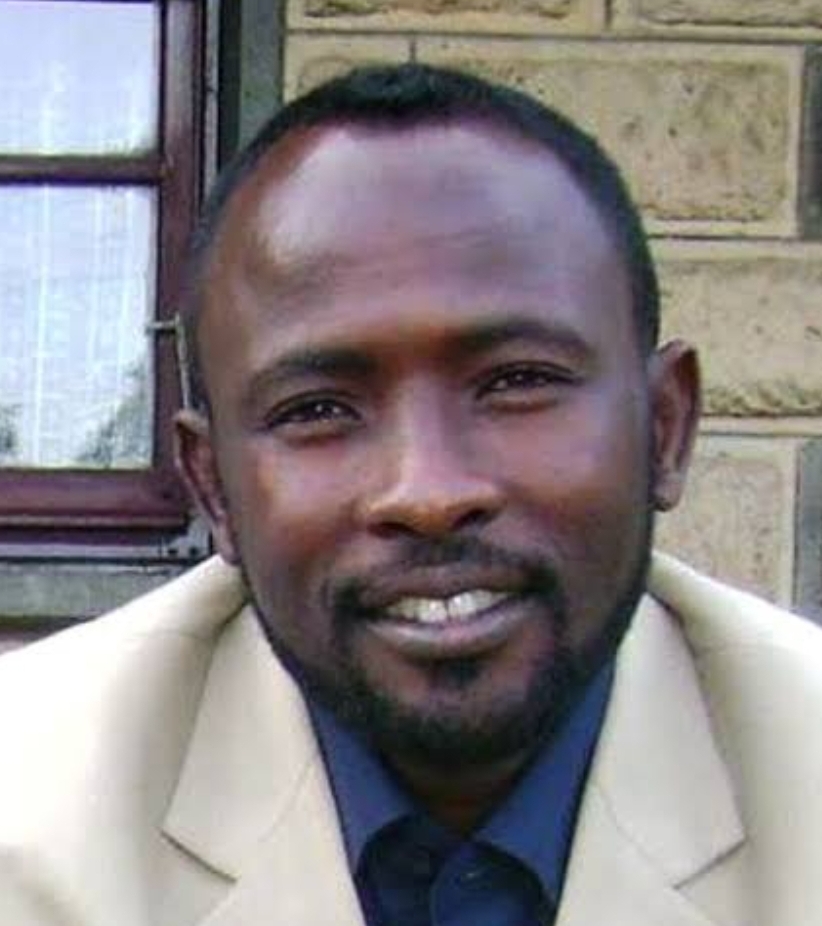
In contrast, the governor—Major General (Ret.) Mohammed Adam Mohammed Jayid—fled. A paratrooper and law graduate, he left behind a city in crisis. Who appointed such a feeble governor? Whoever did so bears full responsibility for the fall of Al-Nuhud. Even the decision to withdraw, I believe, was not collectively made; it seems to have been a personal decision. Rather than rallying the troops and lifting morale as the head of the state’s security committee, Jayid failed to act. He was chosen for his deep roots in the region, yet he made no use of them. He could have mobilized the community forces, especially the youth of Dar Hamar—young men known for their bravery, ready to walk into fire. For over two years, more than 18,000 of them left their farms, livestock, shops, and daily lives to join the mobilization effort and support the army. Yet they were not among the governor’s priorities. Had he organized and empowered them, they would have formed an unbreakable shield for Al-Nuhud.
Had the governor shown resolve, it might have changed the withdrawal decision. Even if the commander of the 18th Brigade insisted on pulling out, the governor should have stayed with his people and faced their fate. The army does not fight alone—it needs wise leadership that can organize and channel the people’s energy, address them, and set clear priorities. It is my firm belief that this withdrawn governor is the one who truly lost Al-Nuhud, due to his poor judgment, weak leadership, and negligence in empowering the youth.
What will you tell future generations, Governor? That you, a son of Al-Nuhud, left it in defeat, abandoning its people to an uncertain fate? Is this why you took on this vital role in this crucial city?
Have you not heard of men who stood their ground? Like Gebril, the ascetic commissioner of Al-Kurmuk, who was martyred in the mid-1990s during a rebel attack. Or Abdel Wahid Yousif, son of Dar Hamar, who stood firm in 2004 when rebels stormed his office in Ghbeish. He refused pleas to withdraw or hide, standing tall with his weapon. In 2008, he was commissioner of Sodari when Khalil Ibrahim launched the “Long Arm” operation on Omdurman, and despite rebel encirclement, Abdel Wahid never left. He was joined in resolve by Mohammed Ahmed Abdel Salam, then commissioner of Jabra Al-Sheikh. Responsibility compelled them to stay, facing danger without hesitation. Both continued supplying national intelligence with critical information, even distributing advanced communication equipment to camel herders across the Kababish plains.
Is it mere coincidence that the decisive battle before the fall of Al-Nuhud happened in Umm Dafees, the hometown of Mohammed Ahmed Abdel Salam? The village’s youth were organized and led into battle by Colonel (Ret.) Abdul Latif Saadallah Adam, now executive director of Abu Zabad locality. With military acumen and unmatched courage, he lured the militia into open terrain, far from civilians, and dealt them a heavy defeat. He recovered stolen goods and inflicted serious losses. Did this not inspire you, Governor? He didn’t blame central authorities or seek scapegoats like you did. Why has this governor not been held accountable?
The strength of Sudan’s army reflects the state’s strength and its control over national affairs. Its commanders dig their own graves with their hands—like Major General Yasser Fadlallah, commander of the 16th Infantry Division in Nyala, and Major General Ayoub Abdel Qader, commander of the 17th Infantry in Sennar, who was martyred in a rocket strike after traveling heroically to reinforce the Armored Corps in Al-Shajara. And then there’s Captain Luqman, whose legendary sacrifice in Omdurman during a dangerous supply mission to Engineering Corps troops is now part of military folklore.
Such heroism fed the army’s spirit and power, culminating in the symbolic link-up between Wadi Sayidba forces and the Engineering Corps—a moment of national inspiration. From that point, the army reclaimed five entire states and over fifty towns and cities across the Blue and White Nile rivers—Abo Hajar, Wad Al-Nil, Jabal Moya, Sennar, Dinder, Hajj Abdallah, Wad Al-Haddad, Umm Qurra, Tamboul, Al-Helaliya, Arabi, Al-Baqir, Jabal Awliya, Al-Qutaynah, Wad Al-Noura, and Kabb Al-Jaddad. The advance even reached the doorstep of Kordofan—Umm Rawaba, Wad Ashana, and Allah Kareem.
At the heart of these victories stands the liberation of Khartoum, the capital with all its political and symbolic weight. Only a few militia pockets remain around South Omdurman. I have shared all this to emphasize that the army does not fight alone—its greatest asset is its people. The slogan “One Army, One People” was not born in a vacuum. The time demands strong, conscious leadership in the states—leadership that can inspire and mobilize, standing at the frontlines to help the army win this national battle of dignity