Between Wad Ahmed and the Owner of the Nabta Station: Claims Fall Apart!
The Face of Truth / Ibrahim Shaglawi
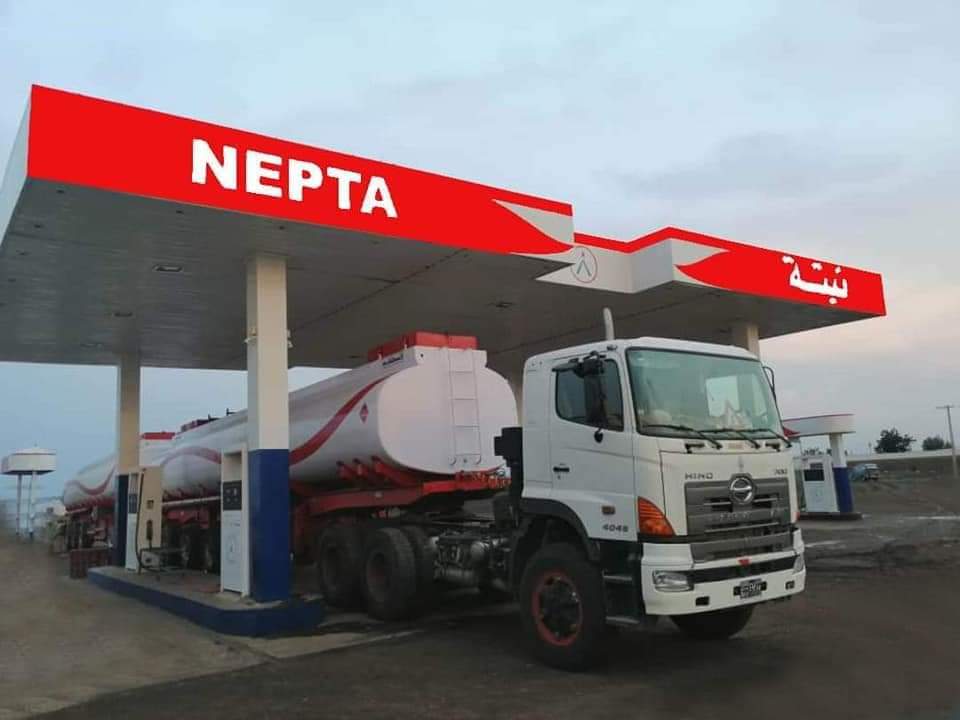
Yesterday, several social media platforms and news outlets circulated a video featuring a very important story. The gist of it is that the owner of the Nabta fuel station, located near the Engineering Corps in Omdurman, left the station on April 15th of last year when the first shot of the war targeted the area. He only returned yesterday after security had been restored in Omdurman and around the station. After nearly two years, he found his money and all the belongings he had left, untouched, save for some dust and signs of conflict.
Considering that the area falls under the control and influence of the Sudanese army, I paused at this story, which raises many questions about the level of security in army-controlled areas and the importance of trust and integrity during difficult times. This situation demonstrates the ongoing commitment to trust within the Sudanese army, despite the challenges. The owner of the station found all his belongings exactly as he had left them, reflecting the high level of security in the areas under army control or in places they have entered as part of the wide advances in military operations recently.
Thanks to the Sudanese army and its pivotal role in restoring security and protecting civil peace, citizens have been able to live safely in areas under its control, despite harsh conditions. This case underscores the importance of integrity for Sudanese people in work and daily life. The army’s actions carry significant and profound implications. This difference allows us to answer the loaded question posed by Al Jazeera presenter Mustafa Ashour to his two guests yesterday on Al Jazeera Mubasher: Mahmoud Wad Ahmed, head of the Future Movement Party, which represents the political forces supporting the Rapid Support Forces (RSF), and Jamal Al-Shahid, a military expert.
The Question: What if the army or the RSF wins this war?
Wad Ahmed, in support of the RSF’s victory, said: “That would be better because they would fulfill their promises to hand over power to civilians. They fought this war for public freedoms and democratic transition. But if the army wins, it is untrustworthy because it would bring the Islamists back, who would then abuse the Sudanese people and other political parties. The army is untrustworthy because it is an ‘Islamist army.’”
What’s ironic is that Wad Ahmed cited the experience of General Swar al-Dahab in his commitment to democracy and handing over power to civilians, forgetting that Swar al-Dahab himself was a general from the same military institution that Wad Ahmed now opposes. Wad Ahmed represents the worst aspects of the previous regime, exemplifying leaderships that neither respect themselves nor those they claim to represent.
Wad Ahmed was once a leader of the National Congress Party, leading the youth at a time when the state was mature, and there was great hope for growth and development. He stepped forward during a time of crisis but left without learning any lessons in patriotism or history.
On the other hand, Jamal Al-Shahid, the military expert, said: “The victory of the army means the victory of the Sudanese people over the greatest conspiracy in its modern history, the return of the homeland, security, and peace. But the victory of the militia would mean no homeland, no Sudan, and no state.”
Such statements from Wad Ahmed reflect the deep crisis the Sudanese political elite is currently experiencing. They engage in zero-sum conflicts with their opponents, disregarding ethics, values, or the decorum of disagreement. Their discourse reflects a profound lack of understanding of the political and national threats surrounding the country. These political forces do not deserve attention because they are unaware, have lost direction, and are entirely subservient to foreign and regional agendas aimed at dismantling the army and the country.
Many citizens have lost their money and possessions due to the violations of the RSF in areas under their control. The RSF, which Wad Ahmed and those like him claim would fulfill its promises to hand over power to civilians, once promised them this while planning the coup and exploring options to overcome obstacles to the Framework Agreement.
Wad Ahmed does not realize the joy and reassurance felt by the owner of the fuel station, who returned to find his money intact, safeguarded within the army’s domain. He does not understand that integrity and loyalty to the people are fundamental elements in building trust among individuals and communities. The Sudanese army, with a history of over a hundred years, is well aware of this, as evidenced by its actions in Keren, Gallabat, Benghazi in Libya, Kuwait, and even Mexico. This is what the history of the Sudanese armed forces tells us.
Integrity, Mr. Wad Ahmed, is not just about promises or a personal virtue that is demonstrated when convenient or when situations call for blatant lies. Rather, it is a cornerstone for safeguarding the security of people, their dignity, civil peace, and preventing the disintegration and collapse of societies. Therefore, I advise you, Mr. Wad Ahmed, to revisit history so you can learn the facts, no matter how bitter they may be.
This is the face of truth, Mr. Wad Ahmed, which you may not realize because perhaps you aim to create a new Mahmoud Wad Ahmed. If you have not learned or read history, I urge you to search, investigate, and explore educational curricula and libraries. So that you may understand the difference between national armies, which know how to protect humanity, the state, and history, and invading armies that destroy history, knowing only how to humiliate or kill people, loot property, and commit violations. All lands that fall under their control are engulfed in flames. These, it seems, are the promises made to you by the militias, and they have been keen on fulfilling them.
May you remain in good health.
Wednesday, October 23, 2024
Shglawi55@gmail.com