Chad and the Impact of the Sudanese War on Its Security
"The Hemorrhage of Generals": Chad Between the Hammer of "Northern Lawlessness" and the Anvil of the "Sudanese War"
Hassan Youssef Zarma, Brown Land Correspondent
Four senior officers from the Chadian Army and Police were killed yesterday, Saturday, during confrontations with gunmen in the Faya-Kouba Oulanga area of the Borkou region, in the east of the country.
The confrontations began after an ambush targeting a bus, which resulted in the death of the driver and the looting of passengers, before security forces intervened and clashes broke out, inflicting human losses among prominent field commanders of the army. The details are as follows:
First: List of Senior and Field Commanders
The loss of these officers is considered a painful blow to the security presence in the Borkou region, given their high ranks and their experience in the rugged terrain of the area. The four officers whose deaths have been confirmed are:
• Colonel Abakar Issa Godji: Commander of the National Gendarmerie Corps in the Borkou region.
• Colonel Tahir Ahmat Kouri: Commander of the National and Nomadic Guard (GNNT) in the area.
• Lieutenant Colonel Adam Jibrin: One of the field operations leaders.
• Major (Commandant) Saleh Moussa: From the Police Rapid Intervention Force.
Second: The “Triangle of Danger” Map (Geography of Confrontations)
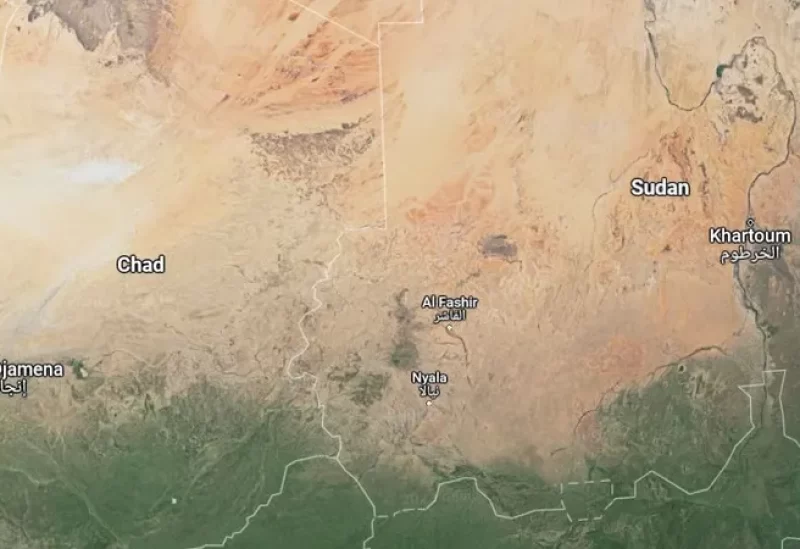
Events are currently concentrated in three strategic points that exert immense pressure on the capital, N’Djamena:
• Faya Region (North): Faya-Largeau is the largest city in northern Chad and serves as the gateway to the Sahara Desert. The recent ambush occurred on a vital road connecting gold mines and trade zones, making it a target for Chadian and Libyan armed gangs.
• Tine Gateway (East): The city of “Tine” is the beating heart of the Chad-Sudan border. Its danger lies in being a single city split by a “valley”; the eastern part is Sudanese and the western is Chadian. Any clash on the Sudanese side results in bullets and shells automatically falling into Chadian homes.
• Darfur Region: Represents the strategic depth for eastern Chad, where tribes (such as the Zaghawa and Masalit) overlap on both sides of the border, making any ethnic conflict in Sudan fuel for internal strife in Chad.
Third: Military and Political Implications
• Security Vacuum: The dismissal of the Governor of the Borkou region (General Djimta) on charges of “fleeing” the field has created a state of frustration among the soldiers, which may force the government to deploy “elite” reinforcements from the capital.
• Embarrassed Sovereignty: The incursion of the “Rapid Support Forces” (RSF) into Chadian territory puts President Mahamat Idriss Déby in an embarrassing position; he must either respond militarily and enter a direct war with Sudanese factions or remain silent and risk losing the prestige of the Chadian Army.