
Columns
-
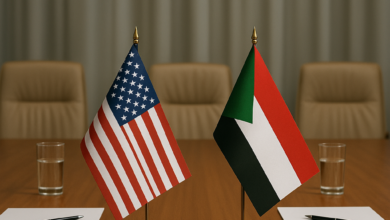
Geneva: Peace, the Trump Way
By: Nisreen Alnimr Journalist and news anchor. It is now evident that the United States (U.S.) administration—through the White House—has entered the Sudanese crisis as a principal player, at a moment of extraordinary sensitivity and consequence. The sharp polarization among regional and international actors over Sudan has effectively closed the door on theories of imported solutions, proxy war narratives, or any external framing that ignores the complex internal military and political dynamics at play. The…
-
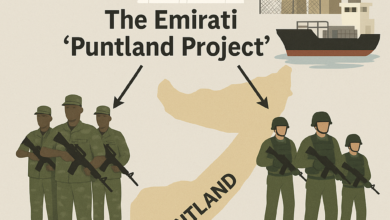
The Emirati “Puntland Project”: Somali and Colombian Mercenaries Between Sudan and the Horn of Africa
By Ammar – AlAraki Journalist and Political Analyst Amid the sweeping transformations in Sudan and the wider Horn of Africa, a complex network is gradually being uncovered—one that ties the United Arab Emirates (UAE) to Sudan’s Rapid Support Forces (RSF) through the recruitment of Somali mercenaries, alongside Colombian fighters enlisted to bolster the RSF’s ranks. This strategy reflects the growing reach of what analysts have dubbed the Emirati “Puntland Project”—a hybrid model that fuses the…
-
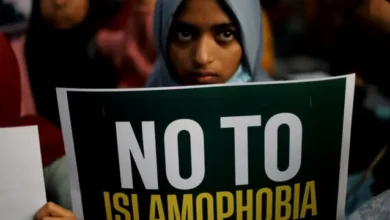
Will the new Islamists end Islamophobia?
Part one By : Mohamed Saad Kamil Editor-in-Chief of Brown Land Newspaper Colonial-era historians trace the first use of the term “Islamophobia”—meaning an irrational fear or hostility toward Islam—to the early 20th century. French sociologists employed the concept to describe the aversion of some colonial administrators toward Muslim communities under their rule. Despite their administrative duties requiring coexistence, these officials rejected integration due to deep-seated racial and cultural prejudices rooted in colonial ignorance of Islam and…
-
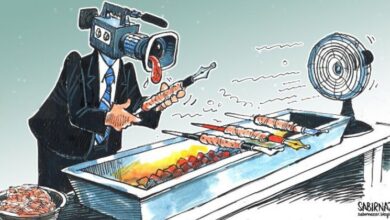
Media’s War on Truth: How Disinformation Undermines Sudan’s Sovereignty
By Berhane Taklu-NaggaIn times of national crisis and civil war, words carry the weight of life or death. Misinformation is not merely a journalistic misstep—it becomes a weapon, a form of soft warfare that manipulates perception, legitimizes illegality, and fuels impunity. That is exactly what Sky News Arabia, a Dubai-based outlet, has done by propagating the dangerous and delusional narrative that Sudan currently has “two governments and two armies.” This is not journalism; it is…
-

Who Killed Patrice Lumumba? An Answer the Free World Still Doesn’t Know
A New SceneBy Abdul-Samie Al-Omrani Before delving into the tragic fate of the former Congolese leader Patrice Lumumba—who was killed, his body dismembered into dozens of pieces, leaving a deep wound of sorrow in the hearts of Africans and all who stand with free nations—we must first understand the broader forces at play. Lumumba’s flesh and bones were dissolved in a corrosive substance brought by Belgian forces, who colonized the Congo, with the operation carried…
-

The Scandalous Video: Colombian Mercenaries’ Voices and Emirati Weapons—The Latest Evidence
By : Magdi Abdelazeez ▪️Following professional translation and analysis of what the Colombians say in the widely circulated video, it has become undeniably clear that the footage documents a live military training on the use of RPGs (rocket-propelled grenades), conducted on Sudanese soil. The trainees are new mercenaries being prepared in areas controlled by the Janjaweed militia. ▪️This footage offers new and alarming evidence that the Janjaweed militia continues to rely on foreign mercenaries—Colombians, in…
-

📘 Purifying the Decision Begins with Purifying the Frame of Reference
BY : Captain Mohamed Hassan Al-Taher 🧭 In a world full of both small and major decisions, we are faced each day with intellectual and moral challenges: Did I choose rightly? Was my decision just? These questions reveal that decisions are not merely actions, but deep reflections of entrenched frames of reference. And when stereotyping seeps into the mind, it can lead a person astray from the path of truth. — 🔍 First: How Do…
-
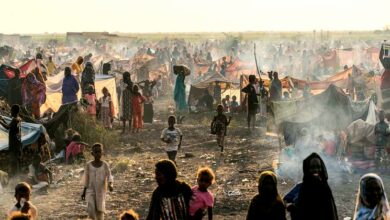
Footnotes on the Rifles of the Margins
By: Malik Taha For seventy years (1955–2025), groups from Sudan’s peripheral regions—acting either in succession or sometimes in concert—have taken up arms under the banner of marginalization, waging war against successive central governments. In an African country like Sudan, where a strong central authority is essential to bind together its fragile peripheries and uphold the rule of law, these wars have consistently targeted that very center. They struck not only at the state’s symbolic core…
-
Sudan Between the Chaos of Influence and the Challenges of Survival
By Engineer Tarig H. Zain El Abdein Head of the Foreign Relations Sector, National Congress Party – SudanJuly 8, 2025 Political and Security Context Sudan is experiencing an unprecedented phase of political and security fluidity. Armed conflict continues between the Sudanese Armed Forces (SAF) and the rebellious Rapid Support Forces (RSF) militia, while competing centers of power are emerging at the expense of central state authority. In this volatile climate, regional and international agendas intersect…
-
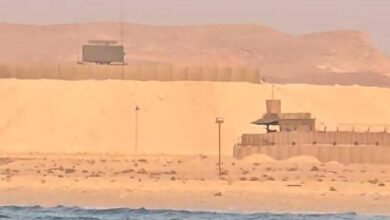
The Silent Front: How the UAE Turned Somalia into a Proxy War Platform
By Mohamed Saad Kamel, Editor-in-Chief and Sabah Al-Makki, Assistant Editor Mohamed Saad Kamel From radar installations in Bosaso to fortified military bases in Berbera, the United Arab Emirates (UAE) has quietly entrenched itself along the Horn of Africa—arming Sudan’s Rapid Support Forces (RSF), trafficking gold, livestock, and resources, and orchestrating strikes from the shadows. This is no humanitarian presence. It is a meticulously engineered war corridor, built offshore and shrouded in the language of aid,…